

Explore Civil Engineering Careers
If you dream about designing something as beautiful as the Golden Gate Bridge or providing services to an iconic structure such as the Empire State Building, civil engineering is the career for you. As a civil engineer, you will have the opportunity to make a monumental difference in communities across the United States working on both small and large-scale projects. As buildings and structures age, now more than ever, the demand for civil engineers has increased. Whether you’re a young professional seeking an internship or a mid-senior level individual looking to make a lasting impact in your career, civil engineering is the position to be in.
Are you ready to dive into a rewarding career path in civil engineering?
What is Civil Engineering?
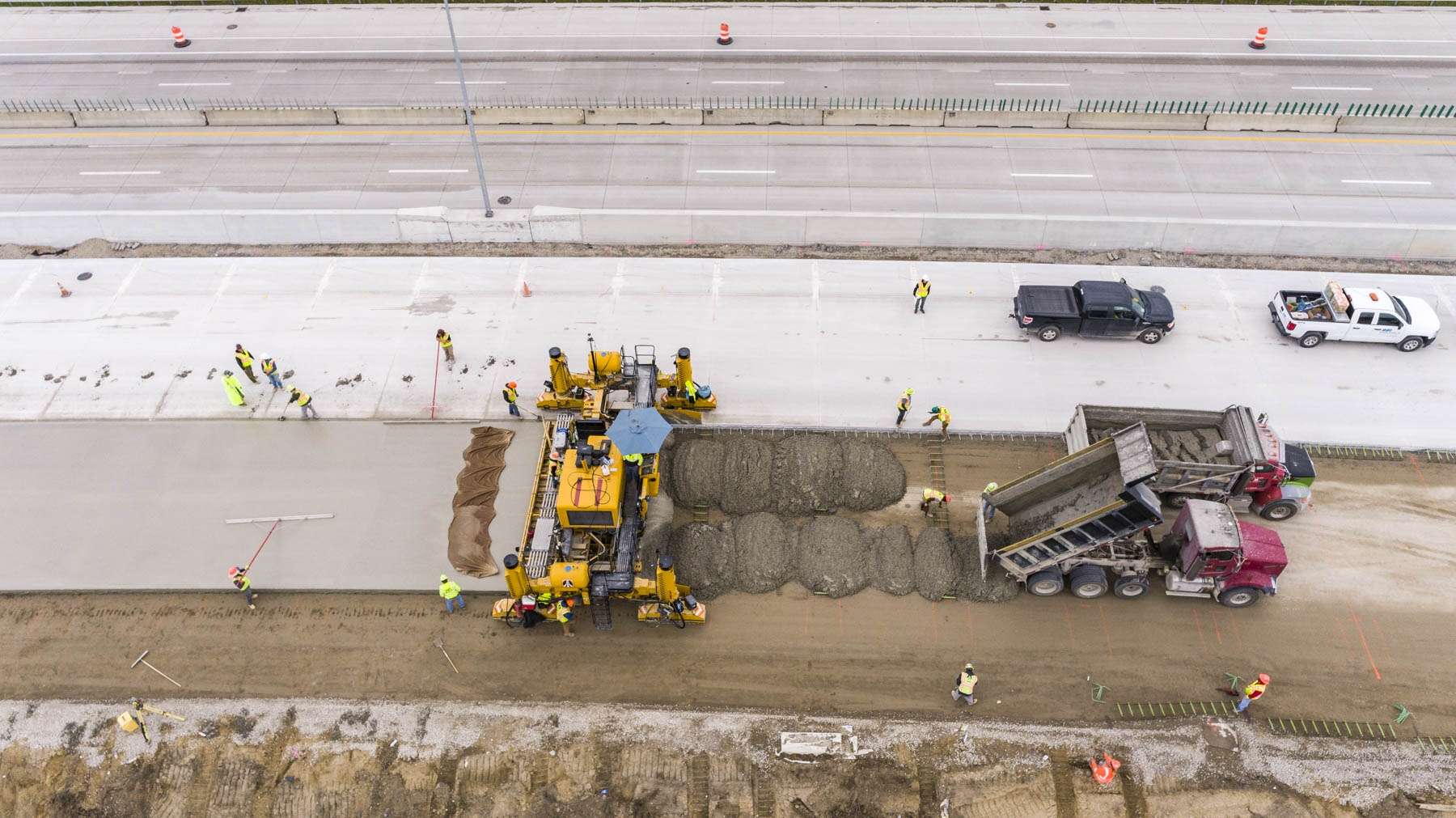
Civil engineering is heavily involved in designing, building, and maintaining infrastructure. This includes buildings, roads, bridges, dams, tunnels, and other facilities you see in your everyday life. As a civil engineer, you’ll design or restore everything from music venues and thrilling amusement rides to iconic resorts, universities, and other landmark destinations.
Career Paths Within Civil Engineering
If you’re thinking about harnessing your skillsets in different areas of civil engineering, there are other exciting career options you can explore:
Coastal Engineering
Focuses on the design and construction administration of coastal structures in addition to the study of coastal erosion and marine renewable energy.
Construction Engineering
Focuses on project management, design, and safety of structures.
Environmental Engineering
Focuses on designing systems that protect the environment.
Geotechnical Engineering
Focuses on the behavioral study of soil/rock and its interaction with various structures.
Land Development Engineering
Involves the planning, design, and construction of undeveloped land to build commercial buildings, residential communities, and industrial sites.
Municipal Engineering
Focuses on the design, construction, and maintenance of infrastructures within cities and towns.
Structural Engineering
Focuses on the design, safety, and stability of structures such as buildings, bridges or amusement park rides.
Transportation Engineering
Involves planning, design, and maintenance of mass transit systems, highways, railways, and other systems.
Water Resource Engineering
Focuses on the design of systems that help manage human water resources.

Which Career Path is Best for Me?
While there is no single best career path, one can always choose a different route within civil engineering in a specialty that appeals most to them. Colliers Engineering & Design is a multidiscipline firm that offers entry-level to full-time leadership roles where you can explore a wide range of projects and services that spark your interests. From there, you can launch your career with the guidance of mentors, peers, and experts in your respective discipline.
How to Become a Civil Engineer
As recommended by Luke Seyfert, Campus Recruiting Specialist II at Colliers Engineering & Design, pursuing a bachelor’s degree in civil engineering first is one of the wisest routes to take for anyone considering entering the field. Having this level of education not only sets the foundation for your career but helps you to fully understand and develop the skills needed to succeed. It also helps you to determine what you enjoy most which is additionally helpful should you decide to pursue a master’s degree later in a more specialized role.
Luke also notes that it is helpful to have previous experience working as a contractor, painter, landscaper, or any field position. “It demonstrates your understanding of working in a manual labor capacity and ability to work alongside a diverse team of people.”
Furthermore, having an internship is a fantastic way to open the door to exciting opportunities in the field of civil engineering. For example, Ulises Balbuena Figueroa, E.I.T. is a full-time Engineering Designer in the Water discipline at Colliers Engineering & Design, having graduated from Cornell University with a bachelor’s degree in civil engineering in 2025. He began as a water infrastructure intern in May of 2024 and hit the ground running, learning all things in the civil engineering field. From extensive online training to dam inspections, to receiving his OSHA certification, Ulises quickly learned the ropes of what it takes to be successful in his respective discipline.
Does Civil Engineering Require a Certification?
A state-issued license to provide public services may be required depending on the state you live in. Any engineer possessing a Professional Engineer (PE) license is considered a professional engineer, however, to maintain your license, some states may require continuing education to ensure that you’re staying up to date on the latest advancements and developments in civil engineering.
Here’s a breakdown on how to obtain your license:
- Obtain a degree from an EA/ABET-accredited engineering program
- Pass the Fundamentals of Engineering (FE) Exam
- Obtain four years of engineering experience
- Pass the Professional Engineering (PE) Exam
For more information on how to obtain your license, read more here.
Furthering Your Education in Civil Engineering
Depending on the desired position you wish to reach as a civil engineer, you will need varying years of experience and expertise. Below are some of the many ways to develop your career path as a young professional or mid-senior level individual:
- Engineering Designer
- Education: Bachelor’s Degree in Civil Engineering (or related field)
- Years of Experience: 0+
- License/Certification: Engineer in Training (EIT)
- Senior Engineering Designer
- Education: Bachelor’s Degree in Civil Engineering (or related field)
- Years of Experience: 8+
- License/Certification: Engineer in Training (EIT)
- Project Engineer
- Education: Bachelor’s Degree in Civil Engineering (or related field)
- Years of Experience: 5+
- License/Certification: Professional Engineer (PE)
- Senior Project Manager
- Education: Bachelor’s Degree in Civil Engineering (or related field)
- Years of Experience: 15+
- License/Certification: Professional Engineer (PE)
- Engineering Specialist
- Education: Bachelor’s Degree Civil Engineering (or related field)
- Years of Experience: 10+
- License/Certification: Professional Engineer (PE)
Work Hours & Environment as a Civil Engineer
Civil engineers typically work a 40-hour week and may work overtime at the beginning and end of a project. They work both in the office, on-site, and may travel for meetings or to work on other projects with different teams. In this role, civil engineers can be exposed to inclement weather, noise, and dust, therefore it is always important to remember to wear all required personal protective equipment (PPE). Being proactive early on can prevent serious accidents, near miss situations, and keep both you and your team safe.
A typical day in the life of Ulises Balbuena Figueroa looks like carrying out administrative tasks, tracking reports, cost-estimating, and preparing inspection reports. Throughout his workday, Ulises is also tasked with using an app called Solocator whenever he goes on site visits to take on-site photographs, track coordinates, and compile the data into detailed reports.
“The best part about my profession is seeing the community impact of my design work and witnessing teamwork turn vision into reality from start to finish” says Balbuena. His passion for structural engineering and problem solving has inspired him to do his very best to serve communities in the surrounding areas. Between calculating the minimum area of steel reinforcement and uplifting forces, quantity takeoffs, handling submittals, and RFI’s, Ulises always feels engaged in the work he does. He also values the weekly team meetings held each Thursday that break down each task, answer any questions he may have, and the time allotted to learn what is expected for each project.

Skills to Accelerate Your Success as a Civil Engineer
Becoming a civil engineer requires leadership, problem-solving, multitasking, decision making, and devotion to a necessary set of skills to be successful in the field. As recommended by the Colliers Engineering & Design Human Resources team, some of the skillsets needed in a civil engineering candidate include:
- Entry-level CAD software skills
- Having the ability to take feedback and criticism well
- Excellent interpersonal and communication skills
- Strong interest in the job
- Self-advocacy
Additionally, as a civil engineer, it is important to have excellent communication skills as you will be interacting with a diverse range of people including scientists, contractors, and other engineers. Clear communication between you and your team members will help to establish SMART goals, expectations, prevent hazards, and meet deadlines on time.
How Much Do Civil Engineers Get Paid?
Careers in civil engineering are not only lucrative but provide great benefits and exciting opportunities to advance upwards. The increasingly high demand for infrastructure development and rising population makes civil engineering a stable and rewarding field to be in. Ultimately, depending on the region you live in, pay may vary. This is also contingent on how many years of experience you have, your education, the size of the company you work for, in addition to what the organization specializes in.
Why Choose Colliers Engineering & Design?
At Colliers Engineering & Design, we offer an array of remote positions, full-time job opportunities, and an engaging internship program tailored to meet your personal and professional goals. We also offer flexible working schedules, paid time off, tuition reimbursement, health coverage, mentorship programs, and 401K plans to suit you and your needs.
As a member of our team, you can advance within the company and acquire multidisciplinary skillsets with the guidance of mentors and experts within civil engineering. At Colliers Engineering & Design, we stand behind the philosophy that by working together, staying curious, and doing what’s right, we can achieve exceptional work experiences and accelerate the success of our communities, clients, and people. Whether you’re traveling across the country or meeting with other team leaders in the field, there are plenty of exciting opportunities for you to grow personally and professionally in the civil engineering discipline.
Apply today for Colliers Engineering & Design
Being a civil engineer comes with numerous responsibilities; however, Colliers Engineering & Design sets you up with the tools needed for long-term success, support, and multidisciplinary growth no matter what stage of life you’re in.
Apply today to discover your next exciting career path in civil engineering.
Click here to begin your new journey.