
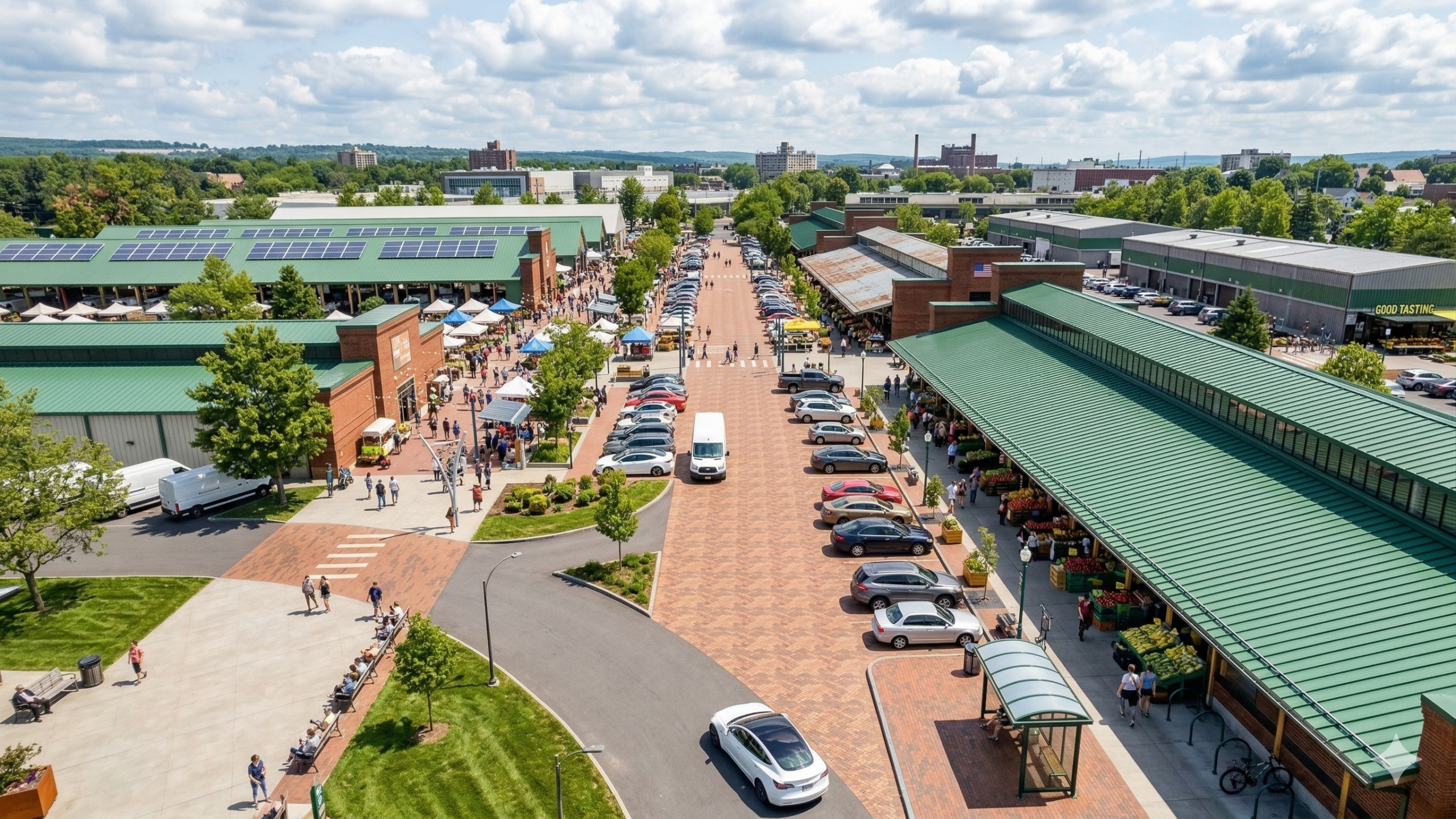
With the rise of technology, digital tools are helping more people work more efficiently in their field than ever before, one of those fields specifically landscape architecture. With new and improved software programs, landscape architects are now able to design and visualize different environments as if they are physically in the space. This exciting new immersive experience has not only changed how both landscape architects and client’s partner with one another to better understand the functionality of a space, but maximize a project’s long-term success by improving planning, workflow, and visualization.
Continue reading to learn more about how digital tools are transforming client experiences in landscape architecture design in more ways than meets the eye.
What Kinds of Digital Tools Are Used in Landscape Architecture?
Bringing a space to life requires utilizing advanced software tools and rendering capabilities that allow clients to see a holistic view of the final design and how the space performs. Depending on the project, they transform sketches into detailed 2D drawings and 3D models that allow the landscape architect to visualize the layout of a space, improve efficiency in design, and communicate better with team members and clients.
Released in May of 2020, one of the most popular tools that landscape architects are using is D5 Render, an ultrarealistic 3D modeling software program compatible with multiple design software including SketchUp, Rhino, Revit, 3ds Max, Archicad, Cinema 4D, and Blender. With maximized capabilities, D5 Render enables clients to view traffic and circulation patterns, on-the-go pedestrians, moving vehicles, viewsheds, and advanced contextual information as if you are on the actual site itself.
Bringing the Central New York Regional Market to Life
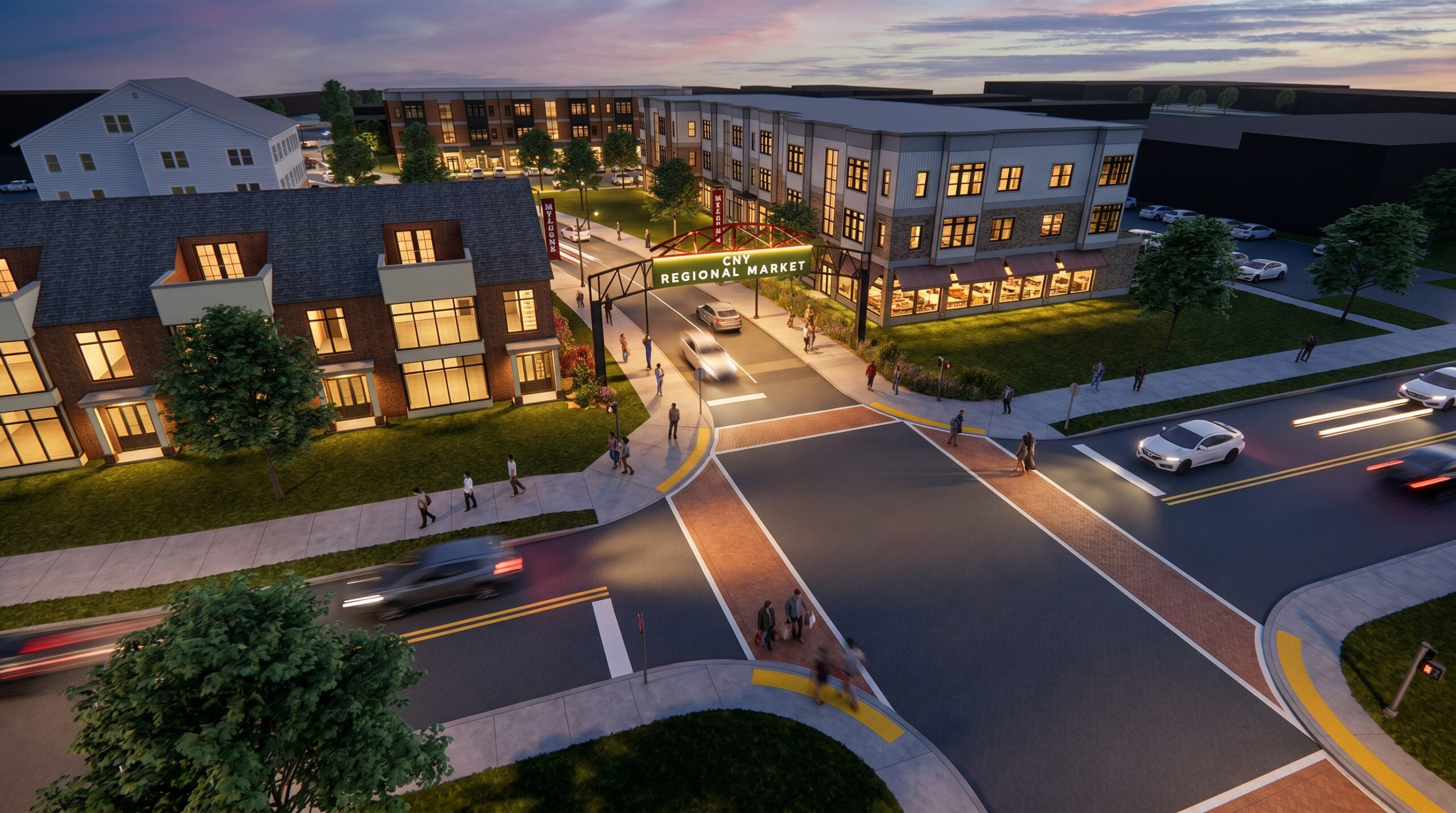
An example of where D5 Render is shown in action is in a collaborative project with Camoin Associates, Colliers Engineering & Design, and the Central New York Regional Market through New York State’s ACHIEVE competition, a regional initiative where the Regional Economic Development Councils developed strategic project proposals for transformative economic growth. The Central New York Market project showcases the collective vision for a series of transformational projects at the market, using an immersive flythrough that highlights potential market redevelopment. The visualization shows the transformative potential of the market site, with visitors seen walking around, shopping, and enjoying all the market has to offer.
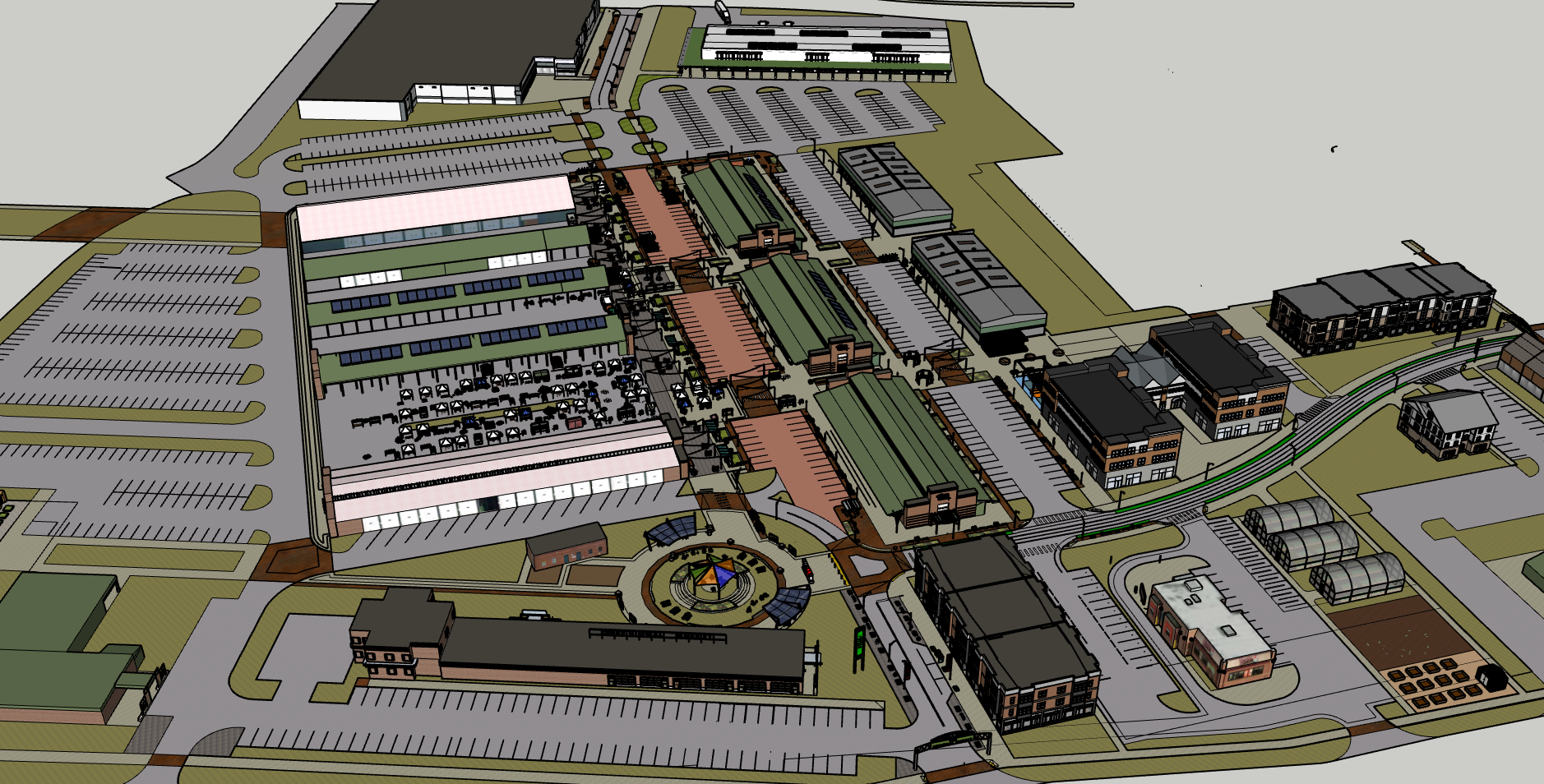
Initially designed with computer-aided design (CAD) and then brought into SketchUp, this project encapsulates the utilization of not one or two, but a plethora of digital tools built to help bring the public market to life.
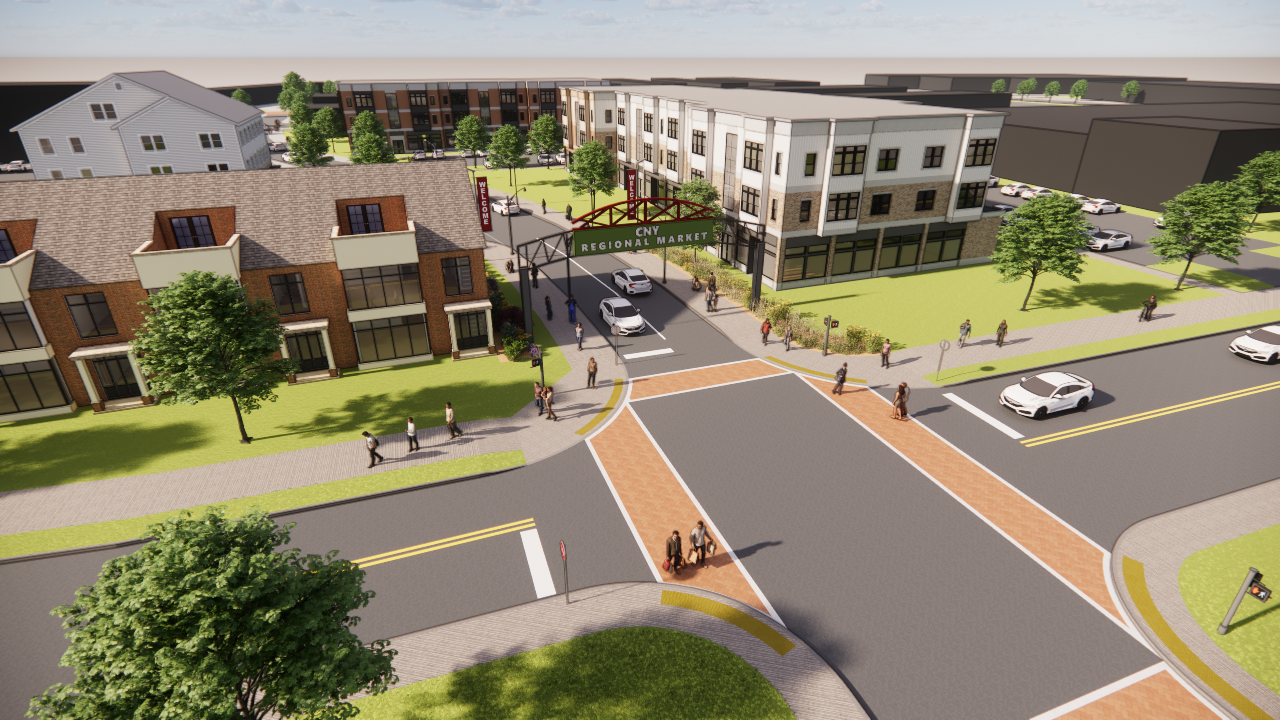
Building on a recently completed master plan for the market, the CED visualization translated key moments of the master plan into a visual story. Design elements included bicycle lanes, bicycle and public transit shelters, gateways, solar panels, green infrastructure, ride share, urban agriculture, and urban living that catapult the mixed-use redevelopment vision into holistic 21st century design. To piece all the visualization materials together, the CED marketing team helped synthesize the animation of the final walkthrough, making sure each area of the market was highlighted to best showcase the location to create a realistic and elevated experience for the client.
“The realism of these digital tools allows us to be very intentional with our clients. It’s not an interpretation of the site, it’s what’s actually being constructed which makes working together on a project more impactful, immersive, and purposeful.”
– Hanna Quigley, Assistant Project Manager, Planning & Design
Although a separate feature from D5 Render, a sound over was also included to provide the client with a more optimized experience, as they’re able to hear and see what is being shown to them during the walkthrough—an innovative way to better connect with the client and explain to them scene by scene different features of the site.
Depending on the client’s goals, size, and project typology, different tools can be used according to what works best to fit the client’s needs and what the project requires. Landscape architects may choose to work on an iPad, their smartphone, laptop, or desktop. The following highlight some of the most used tools in landscape architecture design.
- Computer Aided-Design (CAD): Compatible with most devices, CAD allows you to draw, develop 3D models, and make complex calculations. It is also useful for creating site plans, urban planning, and visualization purposes.
- Building Information Modeling (BIM): Used across various sectors, building information modeling allows the user to construct buildings, major urban developments, and other critical infrastructure. Housing all project data within a 3D model, BIM is designed to be collaborative tool where teams can visualize the functionality and performance of a space or environment.
- SketchUp: Enables a high-quality view of different material types, specific plant species, the location of which they’re planted, resulting in a highly advanced and detailed 3D model, allowing clients to view the full scope of the project from every angle.
- Lumion: A fast 3D rendering tool that enables the user to create high-quality images, videos, and 360° panoramas. The software also includes thousands of objects and materials to help the user bring their scene to life.
- Enscape: An easy-to-use tool that provides real-time feedback, ai-powered creation, built-in content, and connected collaboration capabilities allowing optimized workflow.
Elevated Design Processes Using Enhanced Capabilities & Visualization
With highly advanced capabilities at their disposal, the team at Colliers Engineering & Design artfully showcased each element of design to create optimized spatial exploration. Populating the 3D environment with actual design materials and real site conditions, they were able to determine the spatial relationships between elements that will define how a place is experienced.
In this case, visualization is not a one-stop-shop or linear process. Designs can often begin with hand sketches, which can then be transferred into other software programs to explore layout styles and experiment with different landscape elements. This process enables the team to raise questions, perform tests, and refine design decisions before fully committing to anything, making the tools convenient, effective, and efficient.
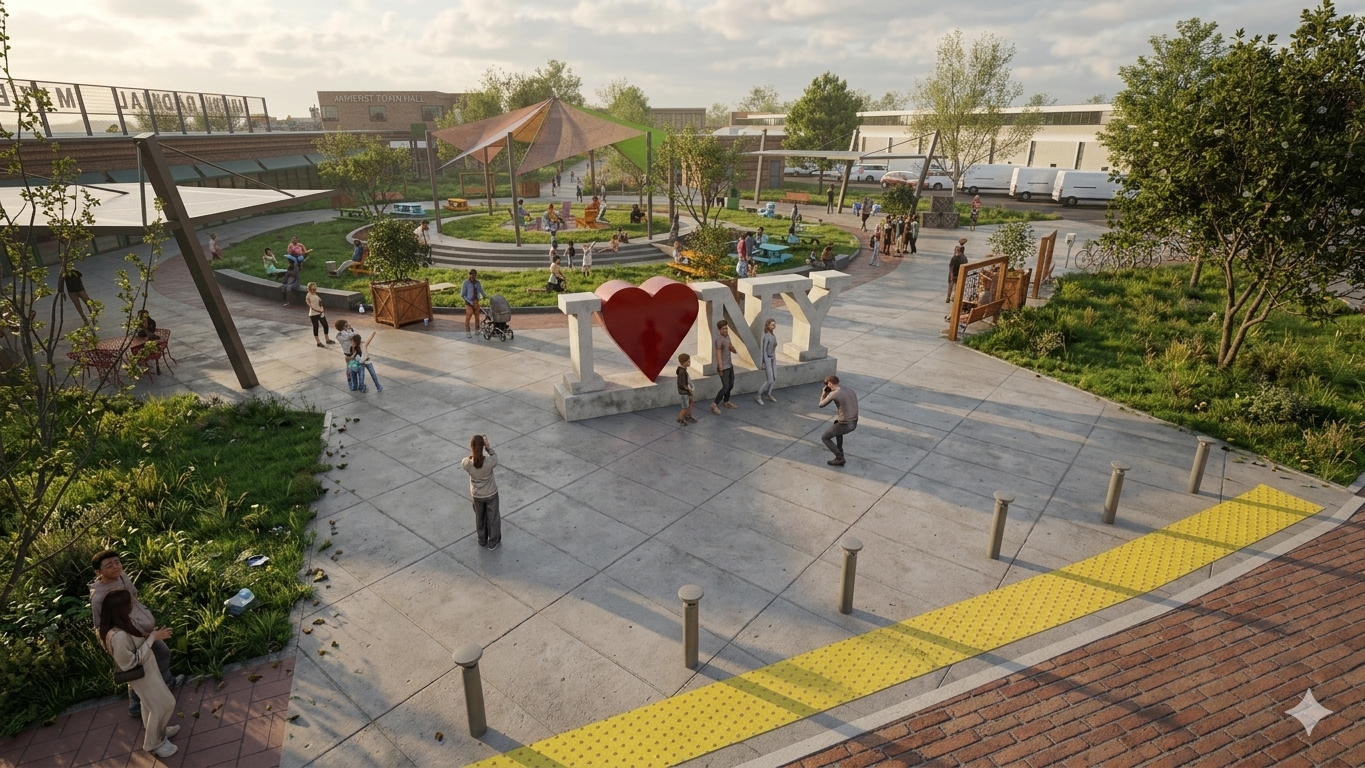
Further, the utilization of digital tools has enabled the team to build planting compositions from actual species, successional communities, and green infrastructure systems indicating how a landscape will grow and perform over time. These cutting-edge capabilities have allowed the team to build a representation of a living system that conveys the ecological logic behind the design to planners, clients, and communities.
The depth of these tools not only optimizes workflow but allows the user to fully understand which software they need to use that best answers the question at hand. From there, users can evaluate their options, apply a focused quality-control, and ensure all design decisions are grounded in the actual materials, systems, and ecology of the project so clients can feel reassured at every stage.
Advanced Tools that Create Immersive Experiences
In addition to drone imaging and aerial mapping where spaces can be seen from a bird’s eye view, more landscape architects are moving towards using 3D rendering and Virtual Reality tools also allowing clients to experience an immersive walkthrough of the space. This capability enables both the landscape architect and client to align their goals, plan for long-term success, build confidence in decision making, and help identify what people will see and feel when they interact with the site.
Another way that landscape architects are using to map out their designs, which are becoming rapidly capable, is the utilization of artificial intelligence (AI) right from their smart phone, laptop or desktop. Exploratory applications of artificial intelligence at Colliers Engineering & Design are currently being tested by post-processing versions of the Central New York Regional Market rendering packages.
Creating Spaces Built for the Future
Advanced digital tools in landscape architecture have reimagined the way spaces and environments are designed. As tool capabilities and design processes continue to evolve, clients are being delivered one-of-a-kind experiences that allow for improved project outcomes as they can visualize a realistic model of the space from start to finish exactly the way they envisioned it and more. This new means of visualization has revolutionized the way design is brought to life, making its future limitless in all its possibilities.
Partner with Us at Colliers Engineering & Design
Are you interested in bringing one of your projects to life but unsure of how to start? At Colliers Engineering & Design, we’ll connect you with one of our experts in landscape architecture where we’ll provide you with confidence, clarity, and professional guidance to help you bring your vision to life.
Click here to learn more.