

Environmental due diligence plays a critical role in identifying environmental constraints and opportunities that inform effective site planning and design. The most successful projects are those that recognize environmental considerations early, thoughtfully integrate them into the site vision, and establish a regulatory entitlement strategy from the outset said George Buchholz, Geographic Discipline Leader, Environmental Services at Colliers Engineering & Design.
Buchholz has spent more than three decades guiding interdisciplinary teams through exactly this kind of work — from natural resources permitting to NEPA documentation to water resources planning. What follows draws directly on that experience and the regulatory realities that project teams face today.
Wetland Delineation: A Cornerstone of Site Planning
One important component of environmental due diligence is wetland delineation, which helps project teams avoid and minimize impacts by refining site layouts to the greatest extent practicable. For decades, environmental professionals conducting wetland delineations have navigated an evolving regulatory landscape surrounding jurisdictional Waters of the United States (WOTUS).
The U.S. Supreme Court’s decision in Sackett v. EPA (2023) significantly narrowed the scope of waters and wetlands subject to federal jurisdiction under the Clean Water Act. The ruling established that federal jurisdiction applies only to relatively permanent bodies of water and wetlands that maintain a continuous surface connection to those waters. As a result, many states are now expanding their own regulatory frameworks to address wetlands and waters that no longer meet federal jurisdictional criteria.
The Question Every Project Team Is Now Asking
Once environmental scientists identify and delineate wetlands, streams, and open water features, one of the most common questions is whether those features are jurisdictional. The current regulatory framework raises important considerations, including:
- What constitutes a “continuous surface connection”?
- How “relatively permanent” must a waterbody be?
These questions highlight the importance of evaluating whether a feature has an indistinguishable connection to a jurisdictional waterbody when determining federal jurisdiction.
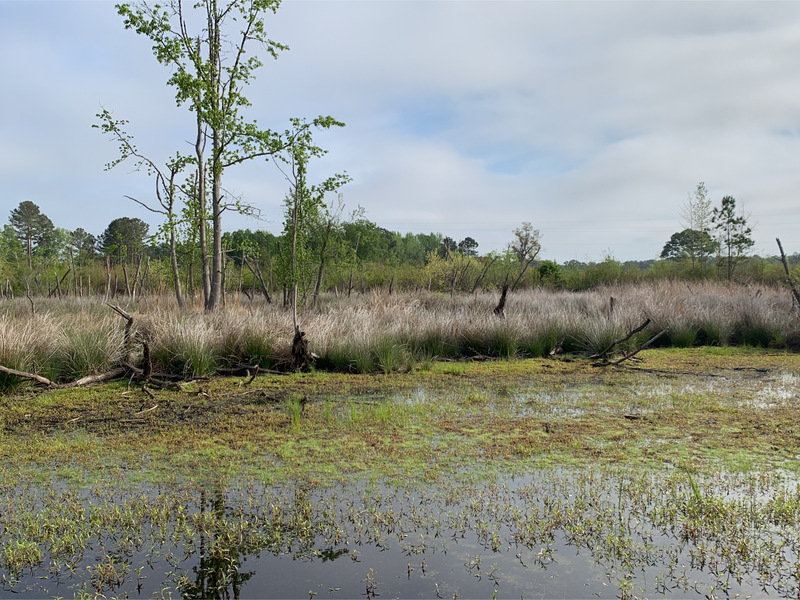
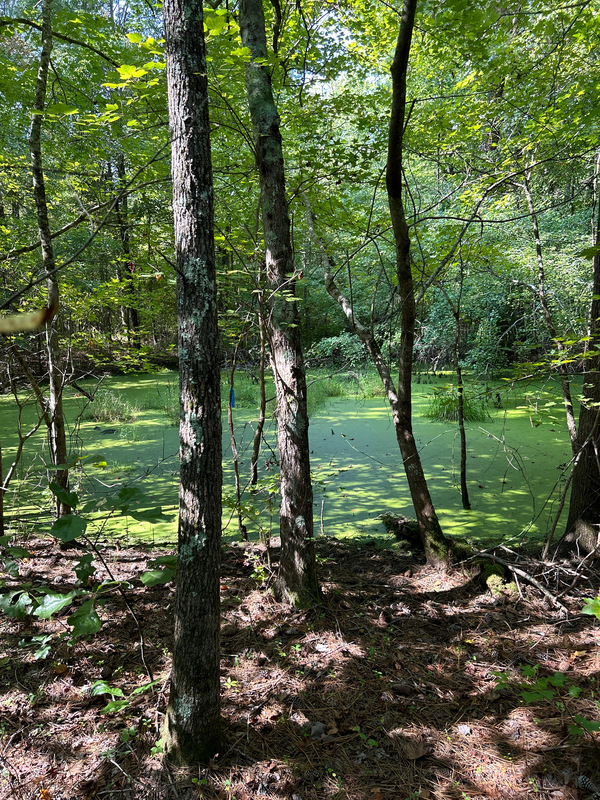
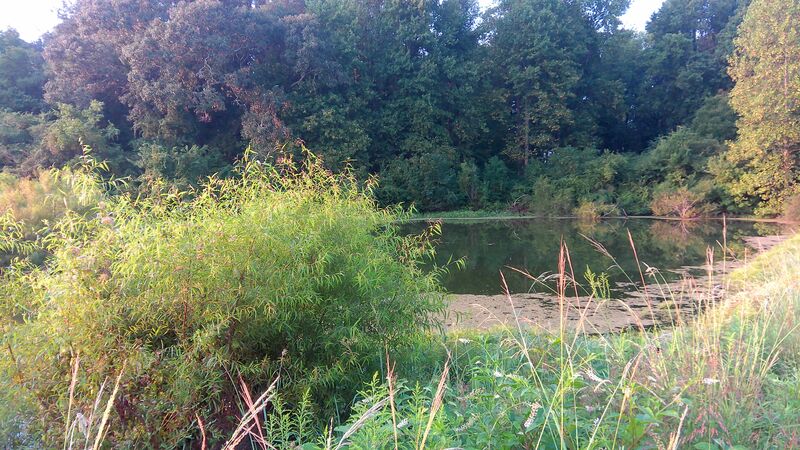
Under the current definition of WOTUS, initial appearances can be misleading. The examples below illustrate project site features that the Environmental Colliers Engineering & Design team determined to be federally non-jurisdictional. By identifying these distinctions early in the process, the team was able to incorporate the findings into a comprehensive regulatory entitlement strategy, providing greater flexibility and certainty during project planning and design.
Why Bringing in the Right Experts Changes Everything
The right environmental experts can spot these distinctions early, build them into your entitlement strategy, and help you avoid costly surprises down the road. At Colliers Engineering & Design, this is exactly the kind of work our environmental scientists do every day — bringing the regulatory know-how and field experience to give your project team confidence and clarity from the start.
About Our Expert
Mr. Buchholz is a professional environmental consultant with over 30 years of experience managing interdisciplinary projects providing environmental support for federal, state, and municipal government projects in addition to private planning and development projects. His professional practice has focused on natural resources permitting, water resources planning, contaminant assessment and remediation, and NEPA documentation. Contact our expert, George Buchholz, for your next project’s environmental due diligence needs.