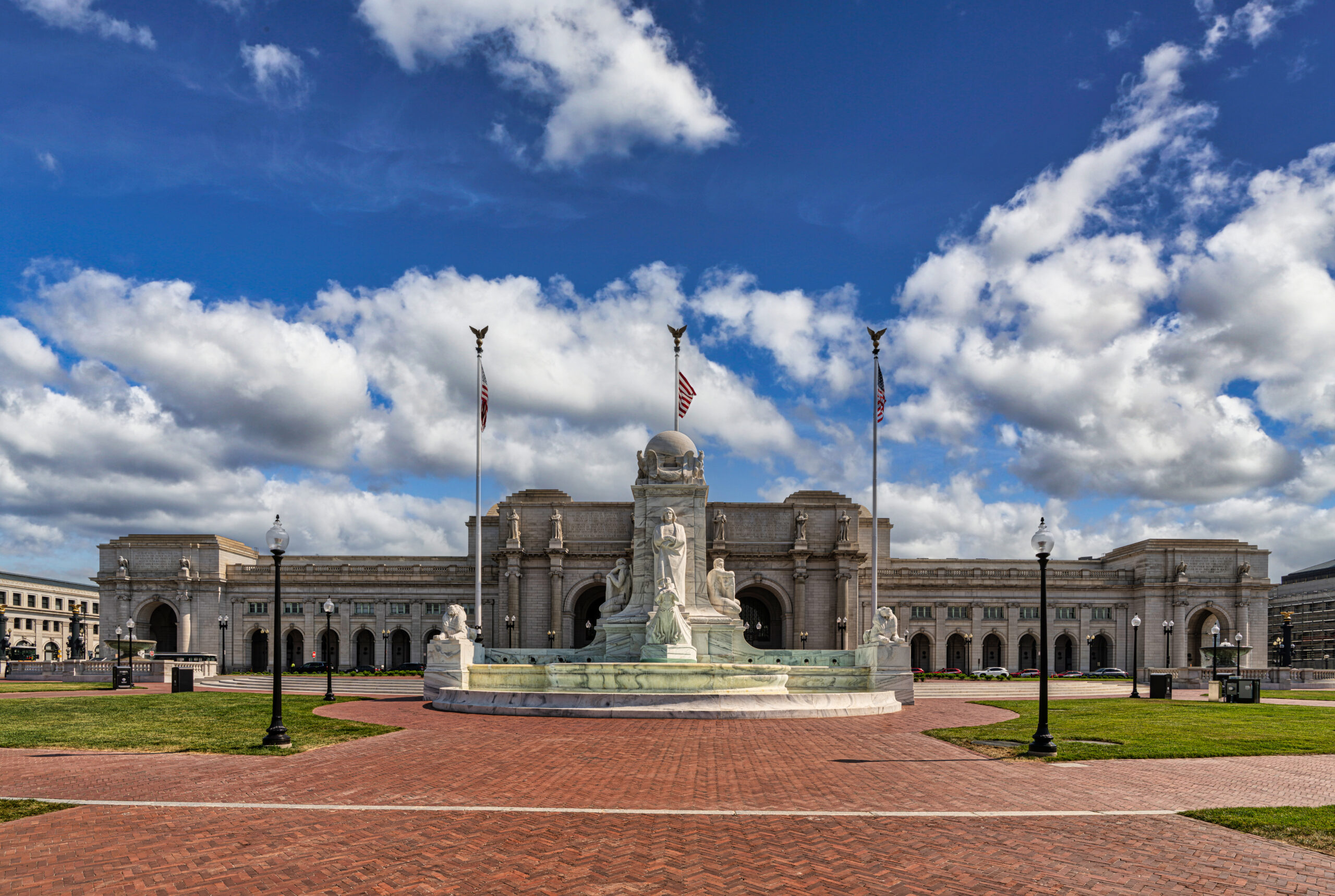
As the United States is set to celebrate its 250th anniversary, Washington, DC, has undertaken several projects to protect the history of the nation’s Capital. Working on the historical monuments, fountains and spaces of the capital require careful preservation techniques, considerate restoration, essential accessibility improvements and reliable documentation of existing conditions.
Colliers Engineering & Design’s survey team has been at the forefront of multiple projects preserving the history of several historic fountain and monument sites throughout the Nation’s capital. Before any of the construction and restoration efforts can begin, a detailed survey of the site is necessary to understand the work necessary to begin.
The Foundation of Preservation
Historic preservation involves documenting, protecting, and restoring culturally significant structures, landscapes, and monuments. In Washington, DC, that work is shaped by strict oversight from agencies such as the National Park Service and the State Historic Preservation Office.
Many historic sites were built long before current building codes, structural standards, and ADA requirements. The goal of the restoration efforts was to make spaces safer and more accessible without compromising their historic value.
Colliers Engineering & Design has the equipment and expertise to get the full picture of the site before a project breaks ground. Through surveys using 3D LiDAR, Ground Penetrating Radar (GPR), Subsurface Utility Engineering (SUE) and other technologies, teams are able to get a complete picture of the site and existing structures.
Fountain Restorations and Upgrades
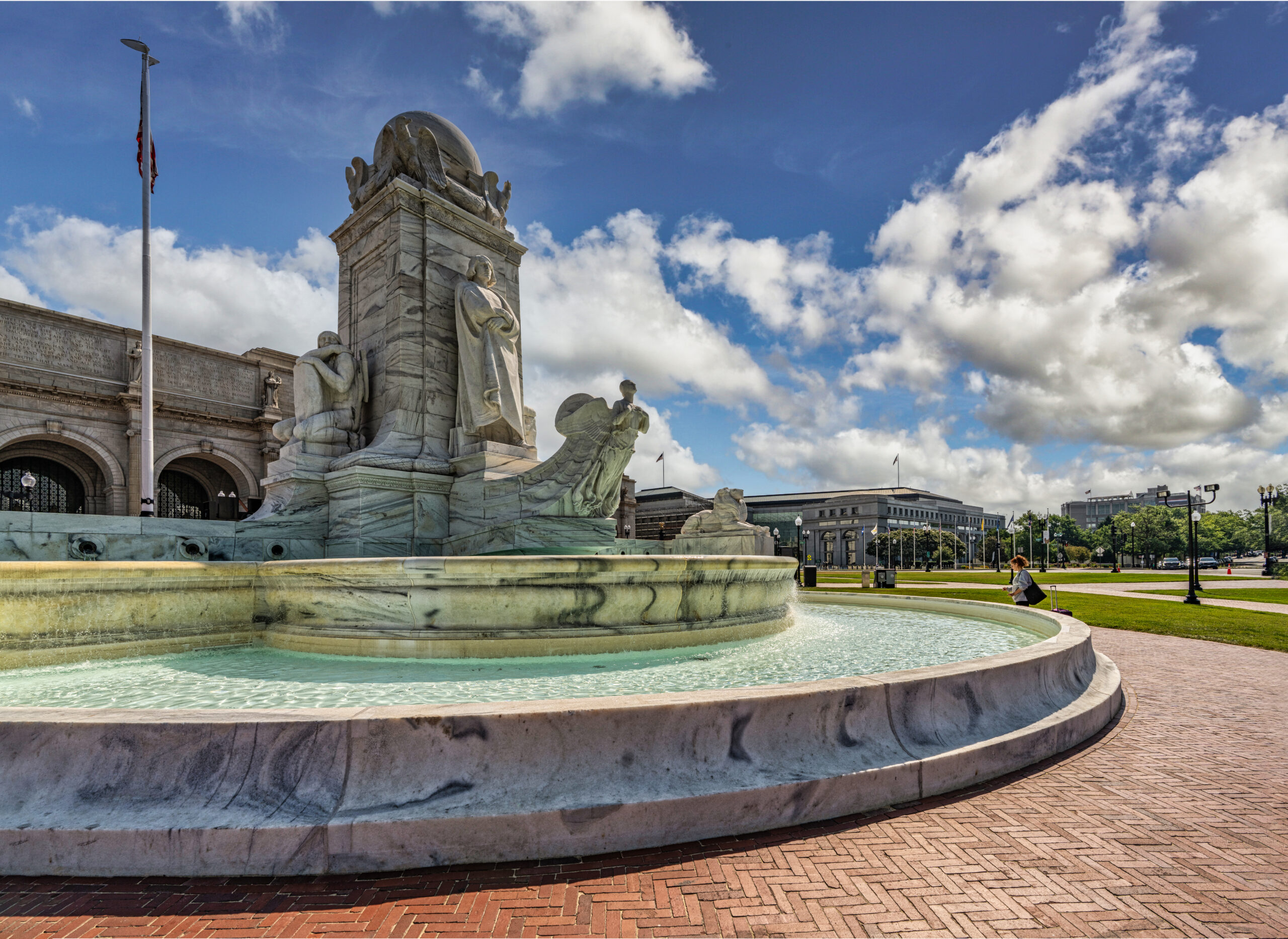
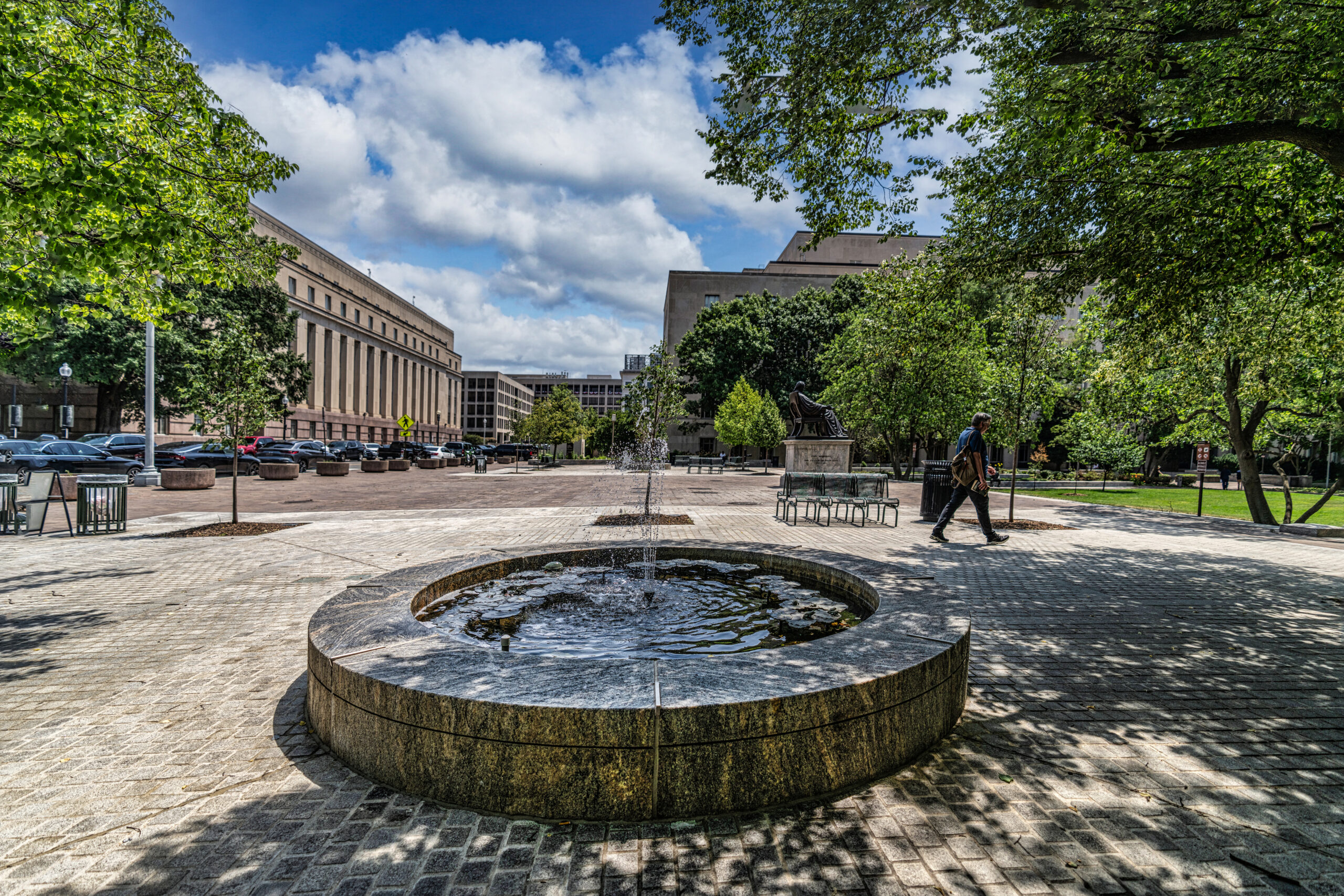
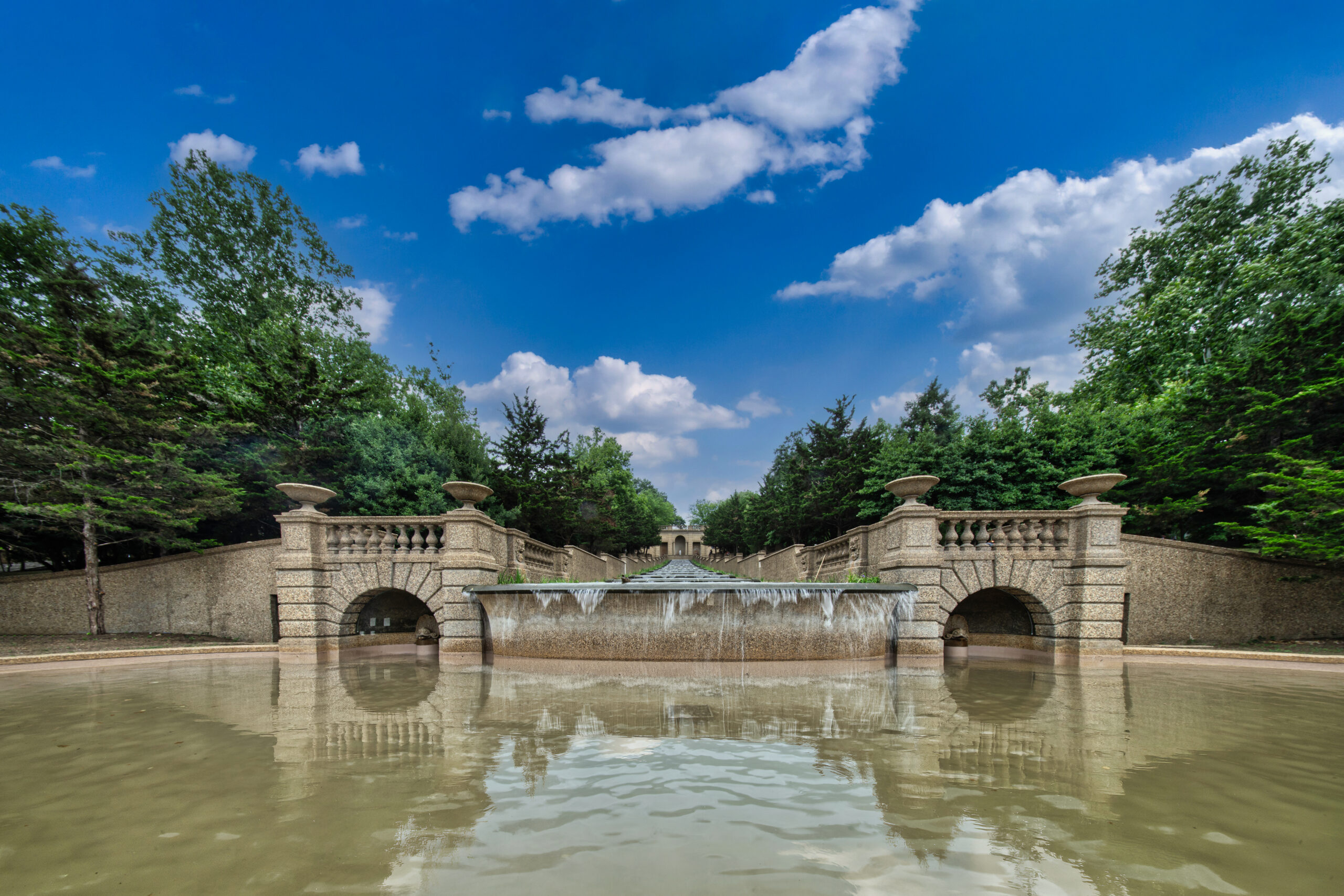
Colliers Engineering & Design was tasked with the historic preservation of six fountain sites across Washington, DC. Led by the firm’s Natural Resources team in conjunction with the Survey/Geospatial Division, our professionals were responsible for the historic preservation and rehabilitation of the fountains to make sure they were able to run again.
The sites, Columbus Circle, Freedom Plaza, Philip Sheridan Circle, John Marshall Park, Meridian Hill, and Rawlins Park, also had additional requirements for getting the sites to be ADA compliant.
Recording Moments in History
Each project started with a detailed survey of the site. These surveys utilized multiple technology efforts to ensure all details of the fountain and surrounding terrain were captured. This data was then taken and displayed in a 3D model for all of the project team to understand.
Surveying in the center of Washington, DC comes with practical challenges. These sites are active public spaces with constant pedestrian traffic, nearby vehicles, and limited access.
Modern 3D scanners help teams work through those conditions by capturing data from multiple positions and filtering out moving objects during processing.
Adding ADA-compliant features to historic parks and monuments is often one of the most complex parts of the work. Many of these spaces were built before accessibility standards existed, so updates must be handled carefully while preserving the history of the sites.
Preservation for the Next Generations
Preserving Washington, DC’s historic sites is both a technical challenge and a public responsibility. These spaces carry cultural and civic meaning, and restoring them requires precision, collaboration, and respect for their history.