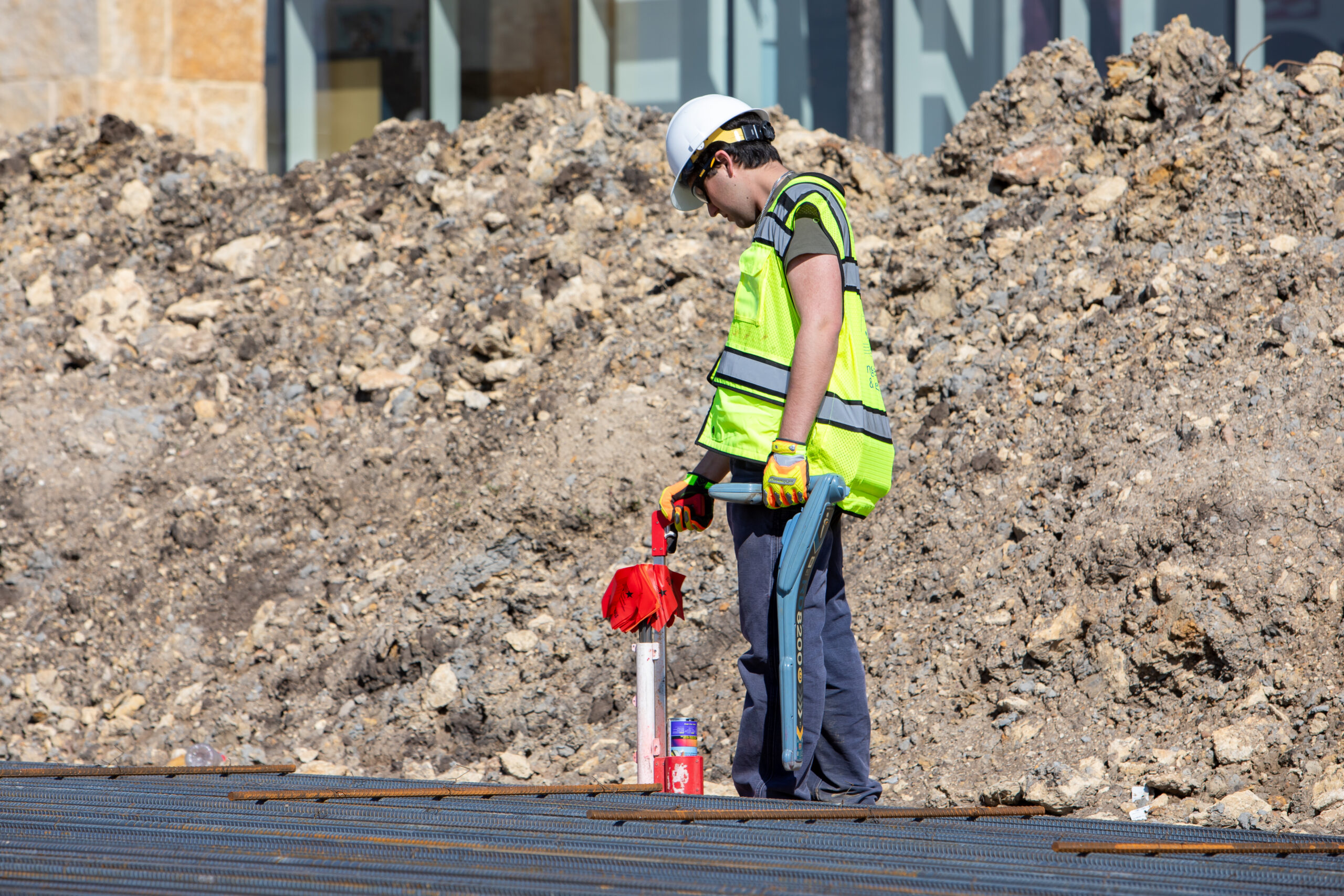
Performing a land survey is the first step of every successful construction project. If measurements are wrong, the entire design is affected – that’s why survey is every civil engineer’s first stop when it comes to design. But what about what’s located underneath – what’s unknown and out of sight? That’s where designating and locating utilities comes in. And what provides that critical below-ground information is Subsurface Utility Engineering (SUE).
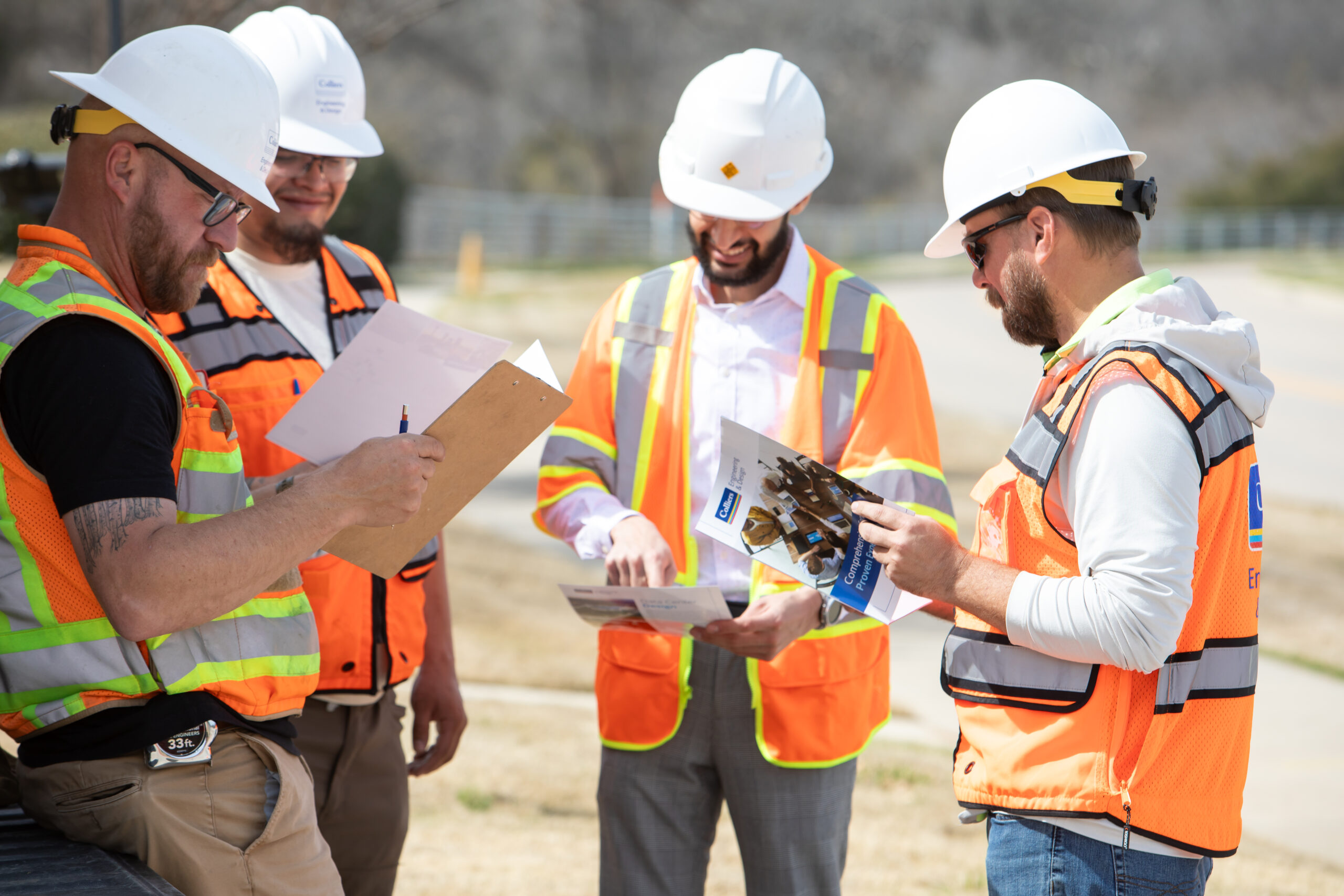
Abanop Henain, Department Manager for SUE, and Stephen Salcido, Project Manager for Survey — both having over a decade of experience in Texas — share why this combination is essential for site due diligence. Together, SUE and survey provide a comprehensive picture of a site, above and below ground.
Dealing with the unknown
“The unknowns that create the most risk on any project are located underground,” Abanop said. “When you combine SUE and survey, engineers get a better picture — above and below ground — and that helps them reduce risk, design better, mitigate conflicts, and avoid costly surprises during construction.”
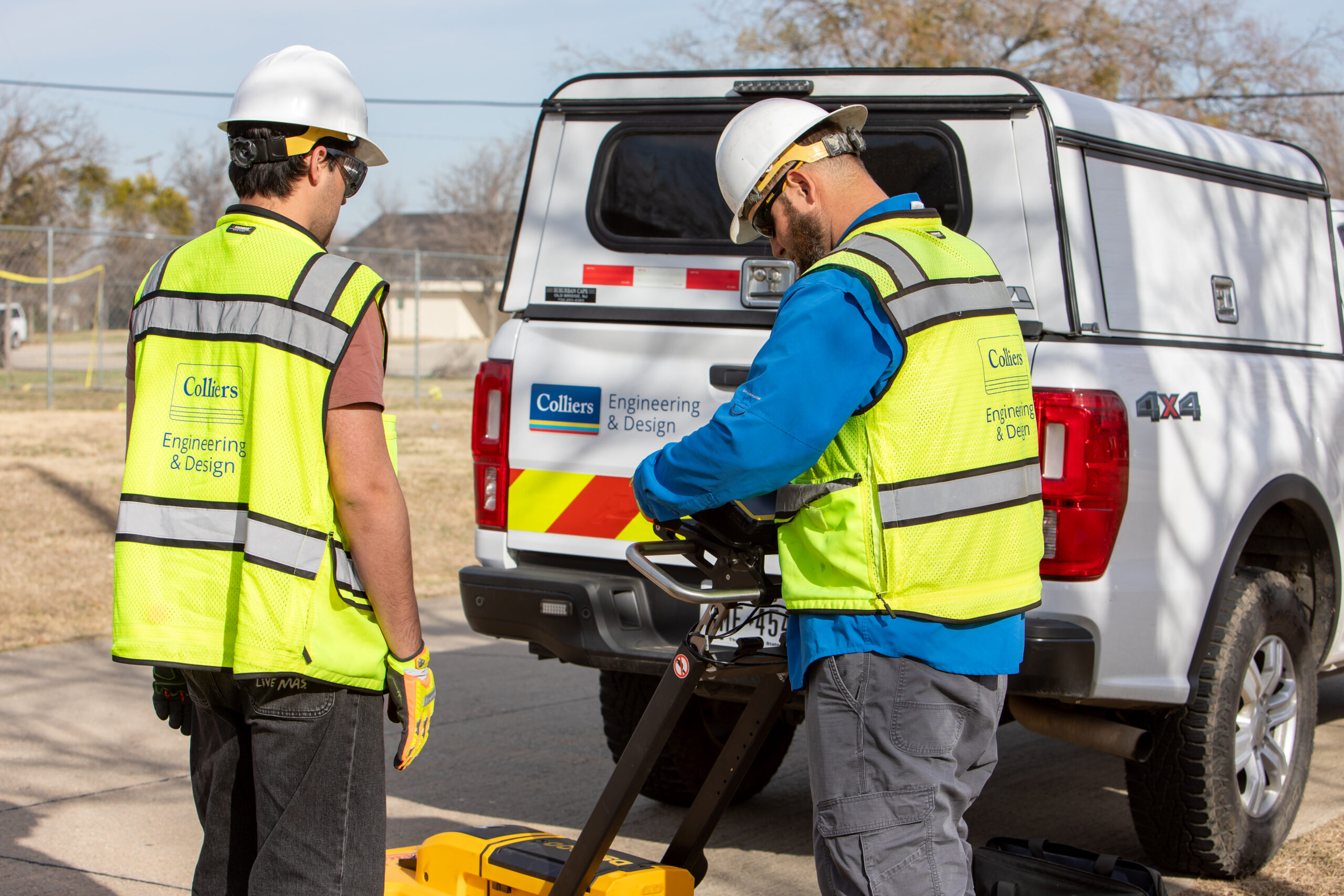
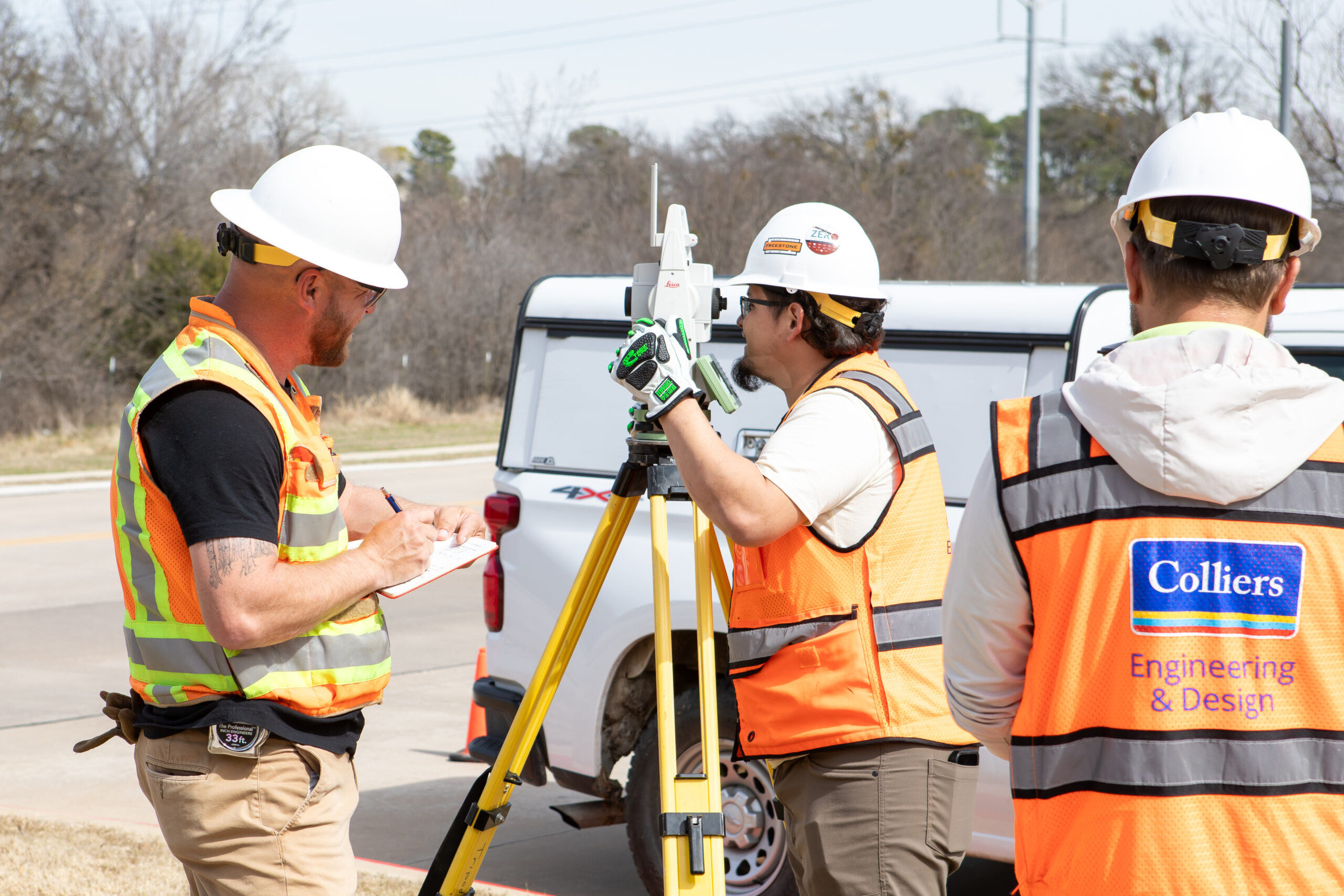
The two services are operationally connected: SUE designates and locates buried utilities in the field; survey picks up those marks and places them precisely on the final deliverable. Deploying both at once means one site visit, one team, and a single seamless dataset feeding straight into design.
Stephen extended the point beyond engineers. “Anyone making a decision about a piece of land needs to know what’s there, easements, zoning, underground infrastructure. This is the best due diligence package you can get.”
One project in Corpus Christi tells the story well. A 30,000-acre site with gas lines and pipelines installed back in the 1800s; sometimes easements aren’t recorded properly or aren’t recorded at all. During that job, the team discovered more gas pipelines than anyone knew existed. That finding made everyone stop and ask the right questions: Who owns these pipelines? Do they have easements or not? It puts a spotlight on critical information early for design, construction and safety.
One team
“SUE is a branch of civil engineering that combines geophysics and survey. Without survey, you can’t really have a SUE product. We establish that early on, for every project. Every time we’re doing SUE, the survey team is right behind us picking up our marks. Survey is a must, the whole package is essential,” Abanop said.
Rather than advancing a project on SUE or Survey data alone, our team can provide clients with the full picture upfront; so they don’t have to pause the design process or halt construction for a separate investigation. One team, one site visit, one point of contact.
Quality you can count on
In Texas, SUE deliverables require a licensed engineer and an RPLS — our team has both in-house. Every project goes through rigorous QA/QC before it reaches the client. Stephen has a phrase for those tempted by the lowest-cost option: “buy cheap, buy twice.” He’s seen it. Projects done without proper oversight that had to be entirely redone.
“I value transparency with clients and make sure to align on timing, while focusing on delivering work that meets our quality standards,” he said. Whether the news is straightforward or complicated, the team delivers it clearly to maintain project integrity.
Ready to get the full picture on your next project? Connect with our Survey and SUE teams to learn how a combined approach can support your site due diligence.