
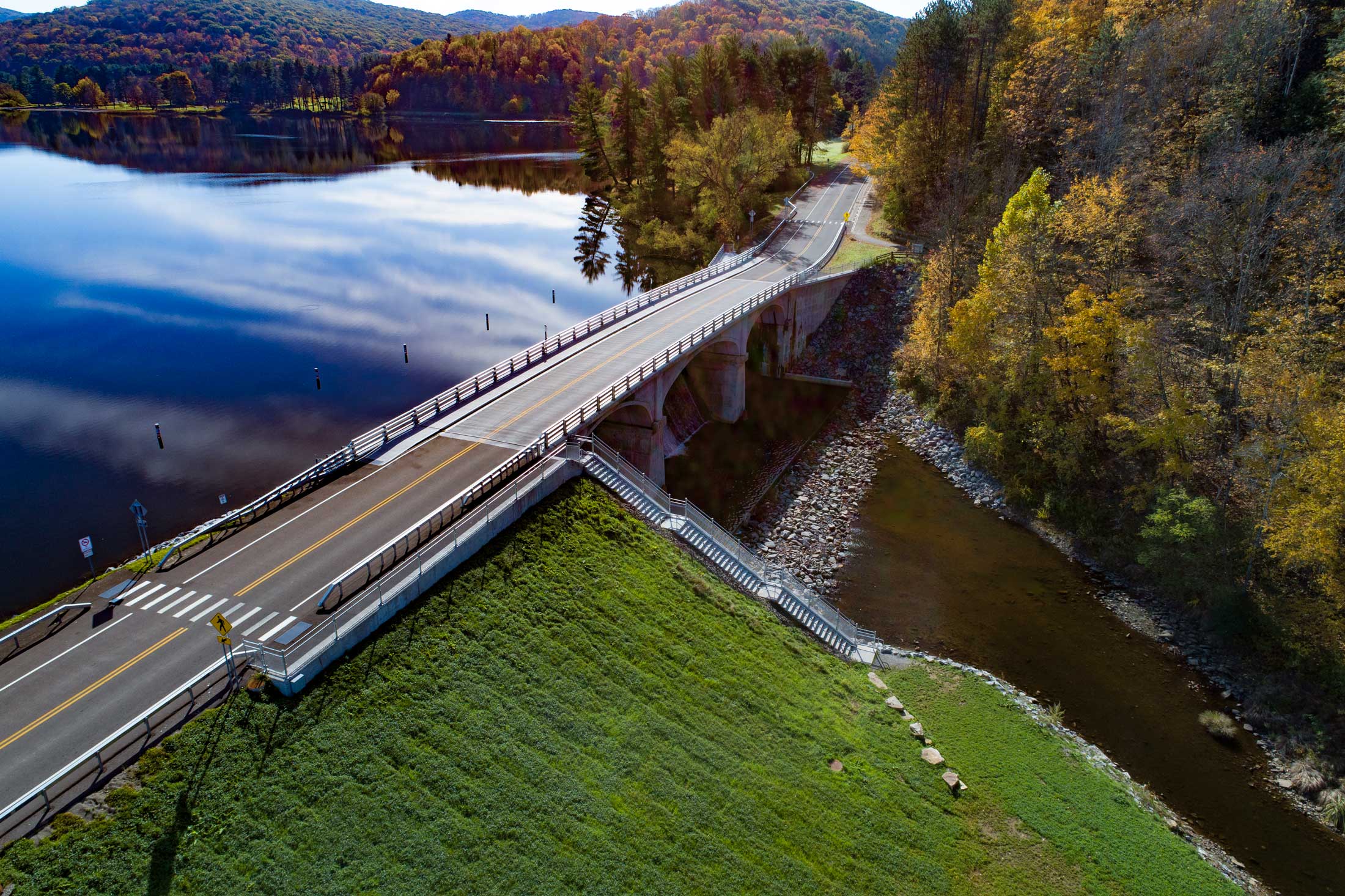
National Dam Safety Awareness Day
With over 90,000 documented constructed dams throughout the United States, the need for dam safety awareness is critical more than ever. Dams serve as the backbone for public safety, functioning as a barrier to safeguarding millions of people and ecosystems. Not only are they built to protect, but they are great for renewable energy generation, flood control, irrigation, and water supply for communities. Whether you realize it or not, dams are essential structures that play a huge role in our safety and surrounding environments.
In recognition of National Dam Safety Awareness Day, we’re highlighting the importance of protecting communities and the environment from potential dam failure. While overall most dams are very safe, proper design, rehabilitation and maintenance of dams is critical. Depending on what is downstream of the dam, a dam failure could cause some of the largest destruction of any engineered structure. Without routine maintenance and inspections, we inevitably face these repercussions, leaving costly repairs and long-term challenges.
Are you maintaining your dam properly?
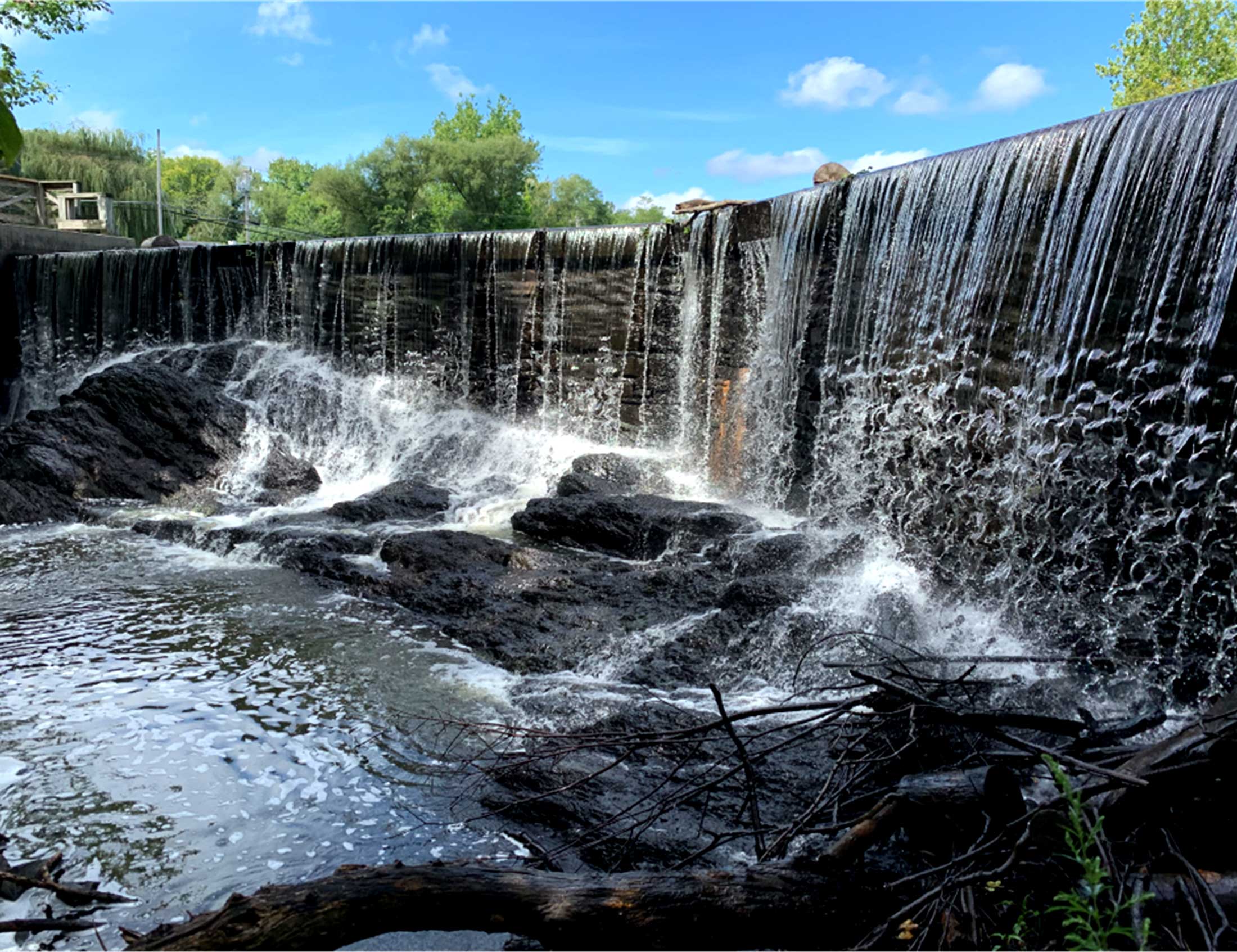
Where it All Began
National Dam Safety Awareness Day originated from the 1889 South Fork Dam Failure where over two thousand lives were lost in Johnstown, PA. Because of torrential rainfall, the dam began to overtop, causing 20,000,000 tons of water to flood and ravage the area. Due to lack of maintenance, careless operation, improper modifications, and a blocked spillway, the neglected structure took a turn for the worst. This catastrophic event sparked the national phenomenon to honor the families, homes, and businesses that were tragically lost.
To this day, visitors flock to the Johnstown Flood National Memorial to learn more about the history of the site, take photographs, and experience the weight of the event.
Know and Understand the Warning Signs
Whether a dam was just recently constructed or older in age, it’s critical that owners fully understand the importance of certain dam features and recognize potential warning signs that something could be wrong. Reasons may include:
Natural Disasters
Uncontrollable earthquakes, landslides, and serious inclement weather can cause dams to fail nearly instantaneously.
Overtopping
Occurs when water rises above the structure due to high waves or natural disasters. If an earthen dam overtops, the dam itself can erode causing failure and mass flooding downstream.
Slope Instability
Weak or poorly compacted soils can increase seepage, weaken the embankment, and cause slope instability. Such instability may cause the embankment to slide potentially exposing a low spot that then fails by overtopping.
Piping/Seepage
Caused by water seepage, cracks from natural settling, animal burrows, and tree roots triggering internal erosion in the dam. Modern dams include sand filters as a means to guard against this type of failure. Embankment dams should have grass cover to prevent erosion, however, trees and other woody vegetation should be prevented to avoid this issue.
Inadequate maintenance
Overgrowth of trees, heavy vegetation, and an overabundance of debris can negatively affect maintenance. Uprooted trees can damage the embankment of the dam while heavy vegetation can make inspection difficult. Accumulation of debris can damage slope protection, hiding potential issues that can lead to failure.
If any of these signs are present, it may be an optimal time to invest in a thorough investigation of the dam where engineers can help the owner identify its current conditions, and what can potentially be at stake if not addressed early on. Whether the dam needs a specific repair, modifications, or full-scale rehabilitation, it’s better to be prepared and tackle the issue head-on with a partner you can trust at every stage of the project.
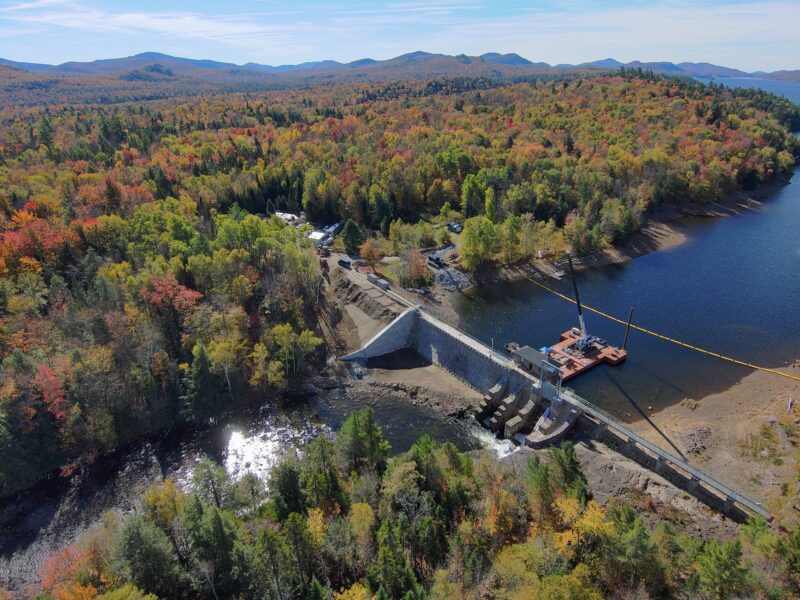
During the Indian Lake Dam Evaluation and Rehabilitation, Colliers Engineering & Design partnered with the Hudson River-Black River Regulating District to provide exemplary service, commitment to safety, and professionalism. In a letter of recommendation, they wrote:
CED has demonstrated extensive knowledge in dam safety, offering an evaluation of the Indian Lake Dam’s compliance with dam safety requirements and a rehabilitation design that enhances the safety of the structure for the future. Their team conducted thorough assessments of the dam structure, ensuring compliance with industry regulations and best practices. The detailed evaluations they provided gave us a thorough understanding of potential risks and their design provided solutions to reduce that risk.
Hudson river-black River regulating district
Be Proactive. Create an Emergency Action Plan.
Even if you’ve taken all the right steps for dam failure prevention, it’s still important to develop an Emergency Action Plan if a dam failure does happen to occur. Typically, Emergency Action Plans (EAP) are written documents that specify owner and local responders’ responsibilities, potential areas that are prone to flooding and evacuation, pre-planned actions in the event of property damage or infrastructure loss, emergency contacts, and other key components that ensure the EAP is executed safely and responsibly by all stakeholders.
Don’t Wait Before It’s Too Late
If dams are neglected, they inevitably weaken and lose their stability over time, developing the potential to fail, cause mass destruction, and loss of life. From families and friends, to homes, and vital infrastructure, all things critical to life can be gone in an instant. To mitigate these risks, it’s better to schedule a structural assessment early on to avoid pending disaster.
To better understand dam failures and decrease the risk of one occurring in the future, you can learn more at the Association of State Dam Safety Officials Dam Failures website. Here you can explore case studies, read about important lessons learned during dam failures, and find more information on Emergency Action Planning to optimize public safety.
If you’re a dam owner or operator, click here to find additional resources that include helpful tips and guidance regarding your responsibilities, best maintenance practices, and dam laws/regulations.
Partner with Us at Colliers Engineering & Design
When you partner with us at Colliers Engineering & Design, you place your project in trusted hands. We don’t just lend you our expertise; we lead you to make smarter decisions resulting in safe, long-term successful outcomes. From structural evaluations and repair to emergency action plan preparation and flood routing, you can confidently rely on us to ensure any dam or waterway structure meets the highest standards and expectations.
It’s time for your next dam inspection. Visit our website to connect with one of our experts or learn more about out dam engineering services here. If you are an engineer interested in dam safety, please review our current job openings and apply.