
What is Renewable Energy Engineering?
When renewable energy comes to mind, we may think of solar panels, wind turbines, and dams. However, this only scratches the surface of the many examples of renewable energy infrastructure that influence how we replenish our most important energy resources, maintained and optimized by renewable energy engineers. Renewable energy engineering is a multidisciplinary field focused on the development and implementation of clean energy solutions derived from natural resources such as sunlight, wind and water. It plays a vital role in addressing global challenges including climate change, human health and welfare, depleting fossil fuel reserves and the need for sustainable power generation. By harnessing resources that are naturally replenished, renewable energy engineers are helping us achieve energy independence through clean and sustainable energy systems.
What Does a Renewable Energy Engineer Do?
Renewable energy engineers are responsible for designing, implementing, and maintaining renewable energy infrastructure that maximizes energy efficiency, economic vitality, and reduces costs. With a plethora of diverse roles within renewable energy available, both young and experienced professionals can have the opportunity to create solutions that propel us towards a safer way of living in the world. From electrical engineering to mechanical engineering, there are plenty of ways to accelerate your success as a professional all while contributing to the well-being of our people and planet.
Depending on regulations, renewable energy engineers must conduct constant research to ensure renewable systems are functional and up to date in compliance with environmental regulations.
From project initiation to strategic management, to final execution, renewable energy engineers help shape the future of clean, secure energy. Their efforts bring us closer to energy independence.
Understanding Energy Independence
Energy independence refers to a nation’s ability to meet its energy needs without relying heavily on imported fuels. By achieving energy independence, countries can enhance their energy security, protecting themselves from disruptions while also helping reduce environmental impacts from fossil fuels.
Renewable Energy: The Key to Energy Independence
Renewable energy sources are forms of energy that are naturally replenished on a human timescale, making them sustainable alternatives to traditional fossil fuels. Shifting from fossil fuels to cleaner sources reduces greenhouse gas emissions, decreases air and water pollution and improves public health, all while promoting long-term energy independence. Additionally, renewable energy creates local jobs and strengthens economic resilience by minimizing reliance on imported fuels.
Key Types of Energy Engineering
Solar Energy
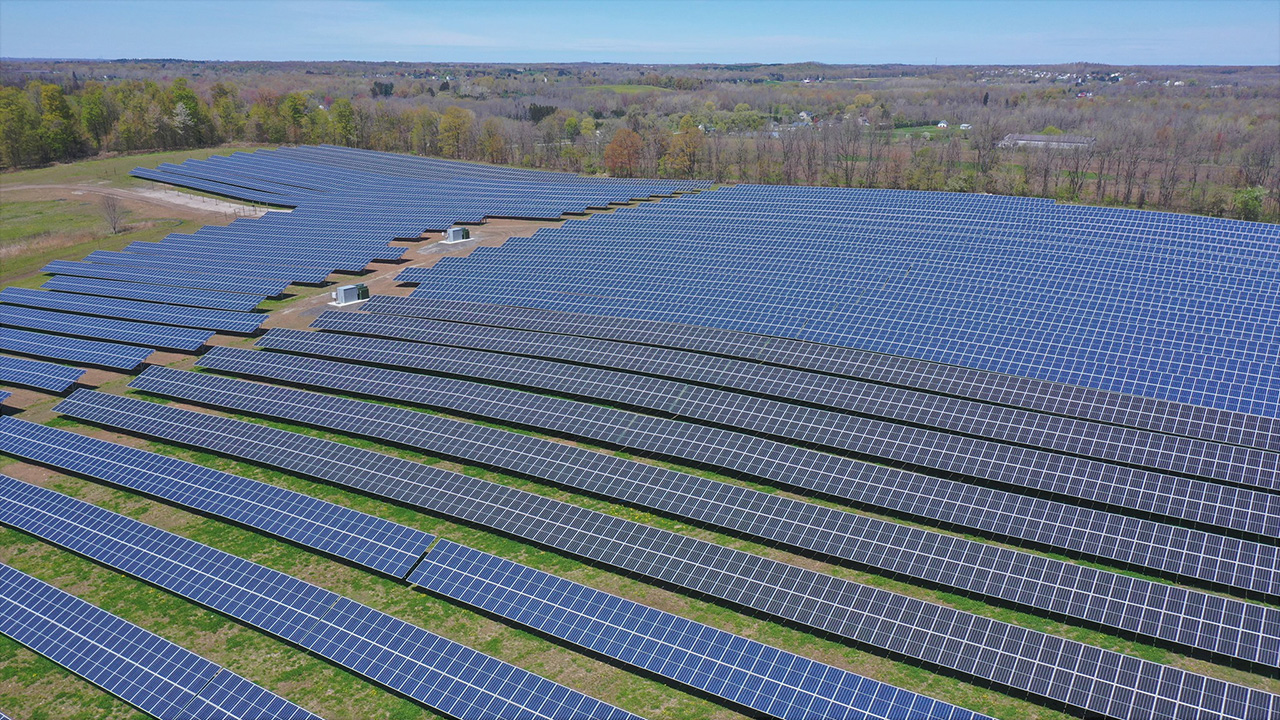
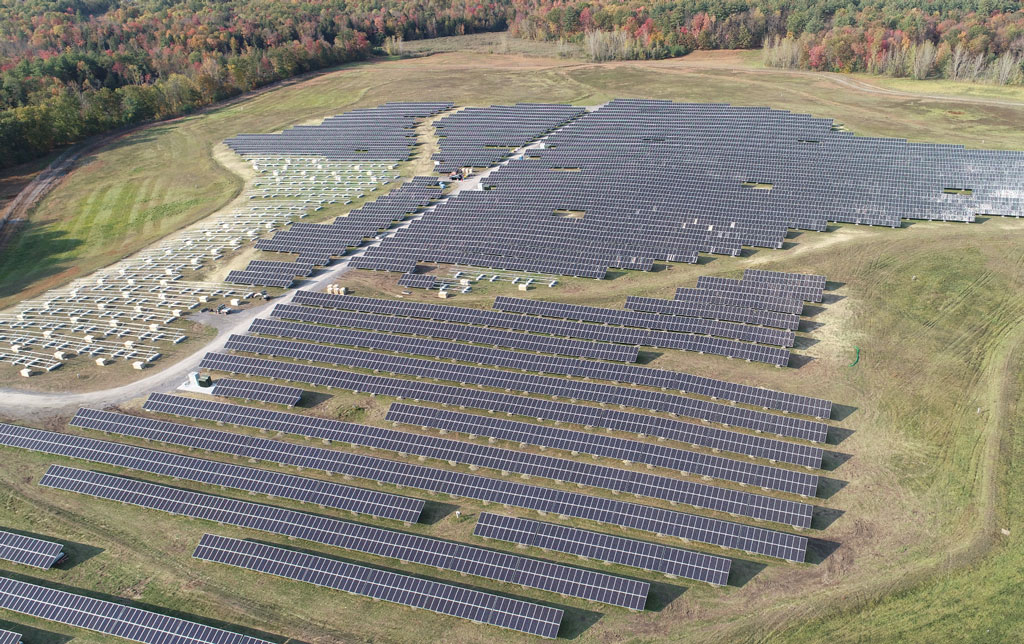
Solar energy engineering involves designing and optimizing photovoltaic systems, which convert sunlight directly into electricity using solar panels, as well as solar thermal systems that capture heat for water heating and industrial applications. These technologies have become increasingly efficient and affordable, making solar power a central component of the global shift toward renewable energy.
Battery Energy Storage
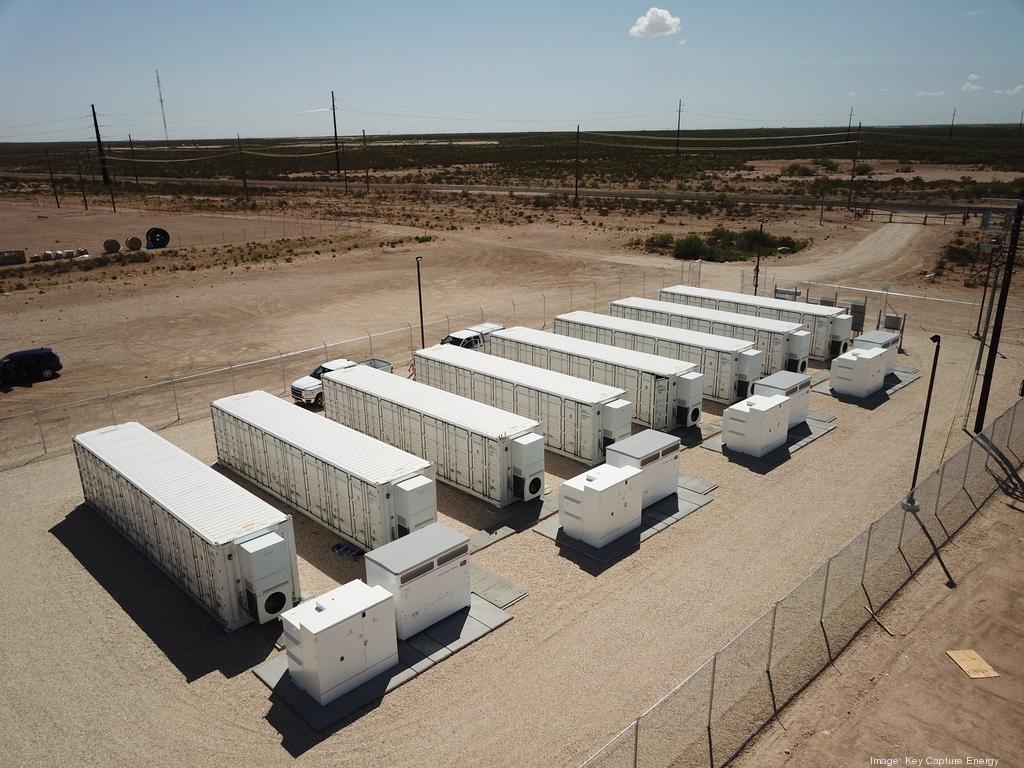
Storing electrical energy in rechargeable batteries for later use, battery energy storage systems (BESS) are often used in conjunction with renewable energy sources like solar and wind to mitigate their intermittency. A battery energy storage system (BESS) is a system that stores electrical energy in rechargeable batteries for later use. It’s often used in conjunction with renewable energy sources like solar and wind to mitigate their intermittency. BESS can also provide backup power, improve grid stability and offer various other grid services such as peak shaving, load shifting and ancillary services.
Wind Energy
Wind energy engineering focuses on harnessing wind power through advanced turbine designs and sophisticated electrical systems, allowing for reliable, large-scale energy generation in both onshore and offshore environments.
Hydroelectric
Hydroelectric engineering utilizes the movement of water through dams, rivers and other waterways to generate clean electricity, relying on careful water resource management and innovative turbine technology to maximize efficiency and minimize environmental impact.
Geothermal
Geothermal energy is thermal energy extracted from the earth’s crust, drawing from both the planet’s formation and radioactive decay. Engineers tap into this heat by drilling wells and installing systems to convert it into usable heat or electricity, an approach that has been used for millennia.
Biomass
Biomass renewable energy is created from organic materials that derive from plants, animal manure, crops, wood, and waste. Through a series of chemical reactions, biomass can be converted into useful forms of energy to generate heat and electricity.
Ocean
Ocean, or marine renewable energy is captured through the natural movement of water including waves, tides, river, and ocean currents. Combining the kinetic energy of waves and thermal energy, marine energy technologies can generate energy.
Hydrogen
Also known as “green hydrogen,” is generated by undergoing a chemical process called electrolysis, where hydrogen is separated from the oxygen in water using an electrical current. New methods such as thermochemical, photolytic, and biological are actively being researched and developed.
Together, these disciplines within renewable energy engineering drive technological innovation, support energy independence and contribute to more sustainable, resilient energy systems worldwide.
How is Colliers Engineering & Design Supporting the Shift to Clean, Secure Energy Sources?
At Colliers Engineering & Design, we provide a comprehensive suite of services designed to empower the transition to clean, secure energy solutions. Our expertise spans solar energy and battery energy storage systems, which enable clients to harness renewable power efficiently while ensuring a reliable supply. We also specialize in electric vehicle charging infrastructure design, helping accelerate sustainable transportation networks across communities and industries. Not only does effective EV charging infrastructure enable convenient and accessible charging for drivers, but it also helps integrate renewable energy sources into the grid, improving overall energy efficiency. In addition, our capabilities include advanced dam and hydropower engineering, where we focus on optimizing power generation while maintaining environmental stewardship.
By delivering innovative engineering solutions tailored to diverse projects, we contribute to energy independence, economic resilience and the advancement of renewable energy systems for a more sustainable future.
Make Your Mark in Renewable Energy Engineering
Whether you’re a student or seasoned professional, if you’ve read this far, why not take things a step further by building a career path in renewable energy engineering? Take the lead in shaping the future of clean energy by exploring a wide array of professions including but not limited to:
Electrical Engineering
Design power plants, substations, and transmission lines to safely deliver electricity to customers and optimize renewable energy systems.
Mechanical Engineering
Research, design, and develop cost-effective and energy efficient systems including wind turbines and solar power.
Hydro Engineer
Harness your leadership and problem-solving skills by identifying and troubleshooting maintenance and operational issues for hydropower plants, and design/develop solutions for preserving vital water resources.
Should you consider becoming a renewable engineering engineer, it is recommended that you obtain your bachelor’s degree in engineering or science from one of the four disciplines including environmental, electrical, chemical, or mechanical to elevate your knowledge and gain hands-on experience.
Partner with Us at Colliers Engineering & Design
Looking for expert guidance on your next project? Connect with a professional today to discover how we can provide advanced support and partnership to accelerate your goals in renewable energy.
Click here to learn more.