As infrastructure and development projects become increasingly complex, understanding what lies beneath the surface is more important than ever. Utility conflicts that go undiscovered during design can lead to costly delays, redesigns, construction disruptions and safety risks. That is why Quality Level A (QLA) investigations play a critical role in the Subsurface Utility Engineering (SUE) process.
QLA is the highest accuracy level defined by the American Society of Civil Engineers (ASCE) Standard 38-22, Standard Guideline for Investigating and Documenting Existing Utilities. While other SUE quality levels help identify and map underground utilities, QLA provides direct Observation by exposing the utility and documenting its precise horizontal and vertical location.
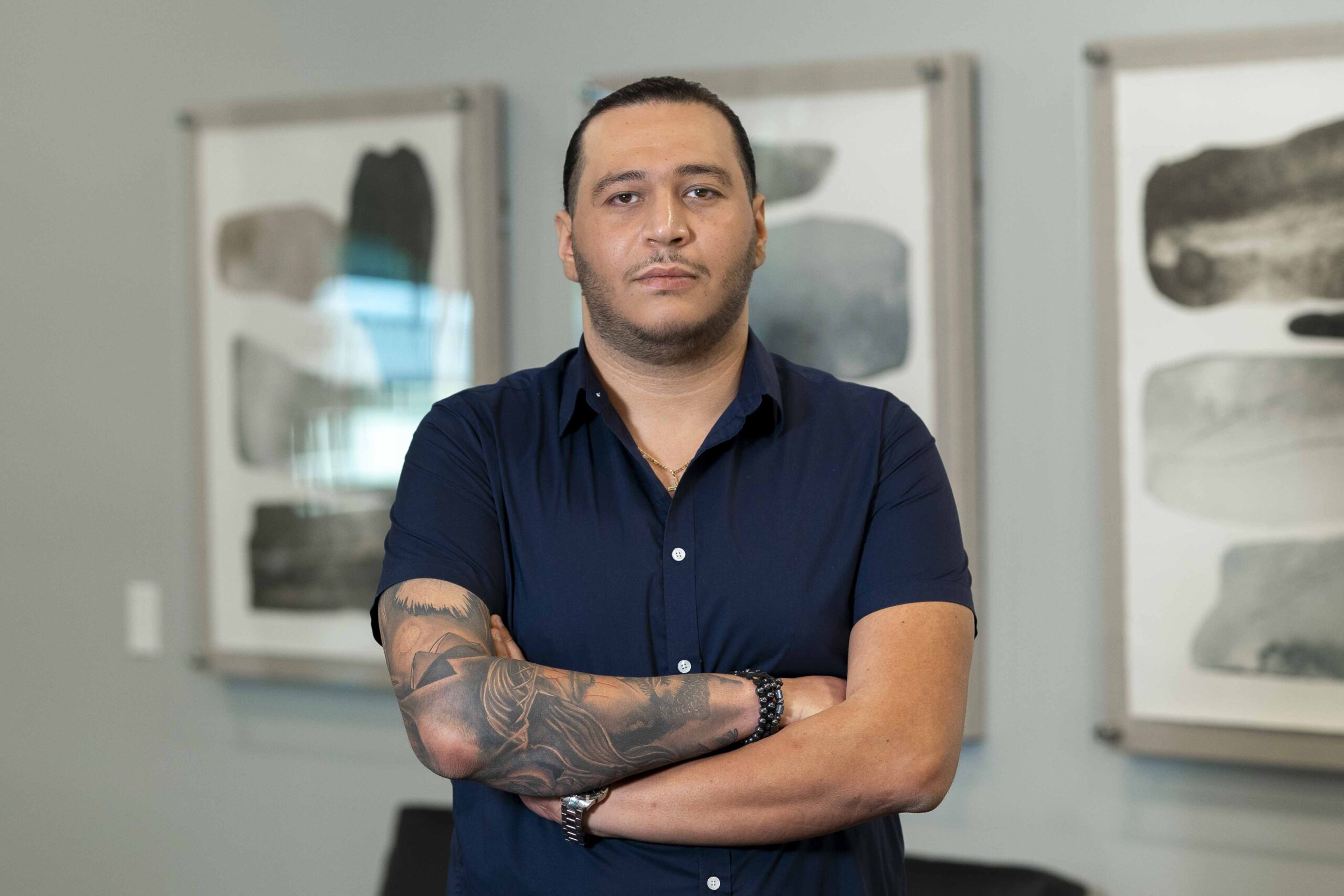
For project owners, engineers, and contractors, that level of certainty can make all the difference. Abanop Henain, Department Manager of SUE Services, works with clients to identify and manage underground utility risks before they become costly project impacts.
Moving Beyond Assumptions
During the design phase, engineers often need more than a utility’s approximate location. They need to know exactly where it is and how it interacts with proposed infrastructure.
A utility might appear to be clear of a proposed sewer line, roadway expansion, or stormwater system based on existing records or surface-level investigations. However, the true challenge often lies in understanding vertical relationships. Determining whether a utility crosses above or below a proposed installation, and identifying the available clearance between systems, is essential for design accuracy. QLA test holes provide that verification.
“Using SUE methods such as QLA test holes provides our clients with the information needed to make informed decisions about what lies beneath the surface and reduce uncertainty during project development,” explained Abanop.
By safely exposing underground utilities through non-destructive methods, SUE professionals can confirm depths, elevations, pipe sizes, materials, and clearance from other facilities. This information allows design teams to make informed decisions and reduce uncertainty before construction begins.
Preventing Costly Conflicts
Many utility conflicts are not discovered until construction is underway. When that happens, projects can experience schedule impacts, change orders, and expensive redesign efforts. Performing QLA test holes during design helps identify these issues early, when adjustments are significantly easier and less expensive to make.
For gravity-dependent infrastructure, such as sanitary sewer and stormwater systems, accurate utility elevations are particularly important. Even a small discrepancy between assumed and actual utility depths can affect an entire design. Verifying crossings and conflicts before final plans are completed helps ensure that systems can be constructed as designed.
Beyond supporting design, QLA investigations improve project certainty, support utility coordination efforts, and reduce the likelihood of utility strikes during construction In many cases, the upfront investment in QLA investigations delivers substantial cost savings by preventing delays and reducing the likelihood of construction surprises.
A Critical Component of SUE
Not every project requires extensive utility exposure. However, QLA investigations are often Critical when significant utility conflicts are anticipated or when proposed infrastructure must navigate heavily congested underground environments.
Transportation projects, roadway widening efforts, site developments, utility installations, and large-scale civil engineering projects commonly benefit from targeted test hole investigations. Industry best practices often call for critical utilities and potential conflict points to be verified during the design process, particularly as projects approach advanced design milestones.
“There are many benefits to utilizing SUE investigations for large-scale projects,” says Abanop. “We understand that design changes on these projects can be costly and do our best to ensure that all project team have accurate utility information early in the project lifecycle so they can make informed decisions and reduce utility-related risk before construction begins.”
As project budgets continue to face increased scrutiny, there can be pressure to reduce upfront investigation efforts. However, cutting corners on utility verification can create greater financial risk later in the project lifecycle.
Knowing What’s Below
At its core, SUE is a risk management process that provides reliable utility information to support planning, design, and construction. QLA investigations are performed using non-destructive excavation methods designed to safely expose underground facilities without damaging them. The objective is not simply to identify utilities, but to verify their position and characteristics while protecting existing infrastructure, supports worker safety, and preserves project schedules. This approach allows project teams to gather accurate, actionable data while minimizing disruption to surrounding assets.
When combined with the other SUE quality levels, QLA test holes provide the confidence needed to advance projects from design to construction. Engineers, Owners and Contractors can move forward knowing that critical utility information has been verified, conflicts have been evaluated, and decisions are being made based on facts rather than assumptions.
In today’s increasingly complex underground environment, that certainty is invaluable. By verifying utility locations and elevation before construction begins, QLA test holes help teams deliver safer, more efficient, and more successful projects.