
Complete Streets Approach
At Colliers Engineering & Design (CED), our transportation professionals strive to design transportation systems that are sustainable and inclusive for all users, generating lasting value for the communities we serve. CED’s Highways & Traffic Engineering National Discipline Leader, Adam Allen, P.E., PTOE explained that our Transportation Team always makes it a priority to design facilities that improve communities for all users of public infrastructure, and embraces Complete Streets, a nationwide movement created by the Coalition in 2004 with people and places at the heart of it. Complete Streets “is an approach to planning, designing, building, operating, and maintaining streets that enables safe access for all people who need to use them, including pedestrians, bicyclists, motorists, and transit riders of all ages and abilities.”
For every project, our transportation professionals ask, “How do we best accommodate all users, including motorists, pedestrians, bicyclists, transit users, and people with disabilities?” At CED, every transportation project centers around building safer and more accessible roadways for everyone.
Accommodating Individuals with Disabilities
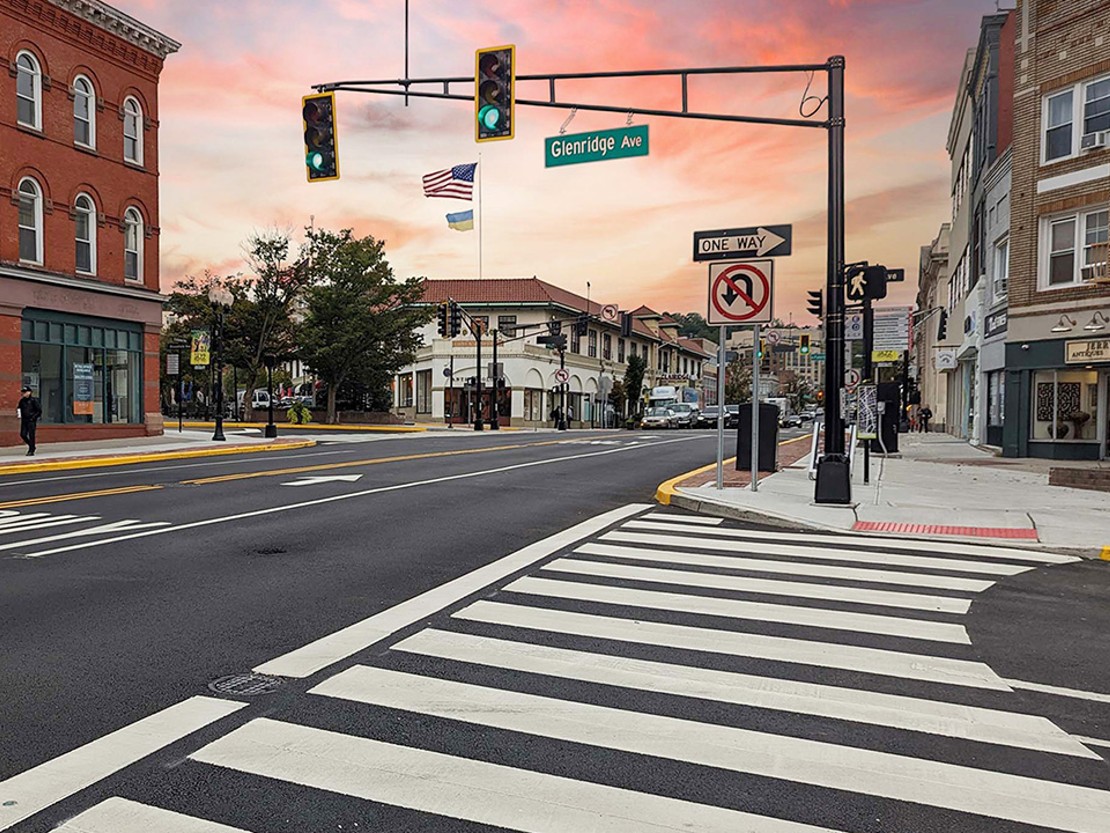
Many people with visual and/or hearing impairments get around by walking. An individual person with a visual disability might use a cane to cross the street. To accommodate their needs, detectable warning surfaces with tactile surfaces on the sidewalk interface with the roadway are installed that enable the user to confirm their location in relation to entering a roadway or intersection. Accessible Pedestrian Signals (APS) or push buttons on traffic signal poles activate pedestrian signals with audible messages and often include braille on them so the visually impaired individuals can identify the road. Vibratory tactile arrows can also be included as part of the button station such that a user can determine the intended crossing direction in which they are to travel. There are even accessible push button stations that include smartphone apps that allow users to interact with the station via their phone over Bluetooth. In the event an intersection changes due to updates or repairs, it’s imperative that these accessible features continue to be updated.
Connecting Communities
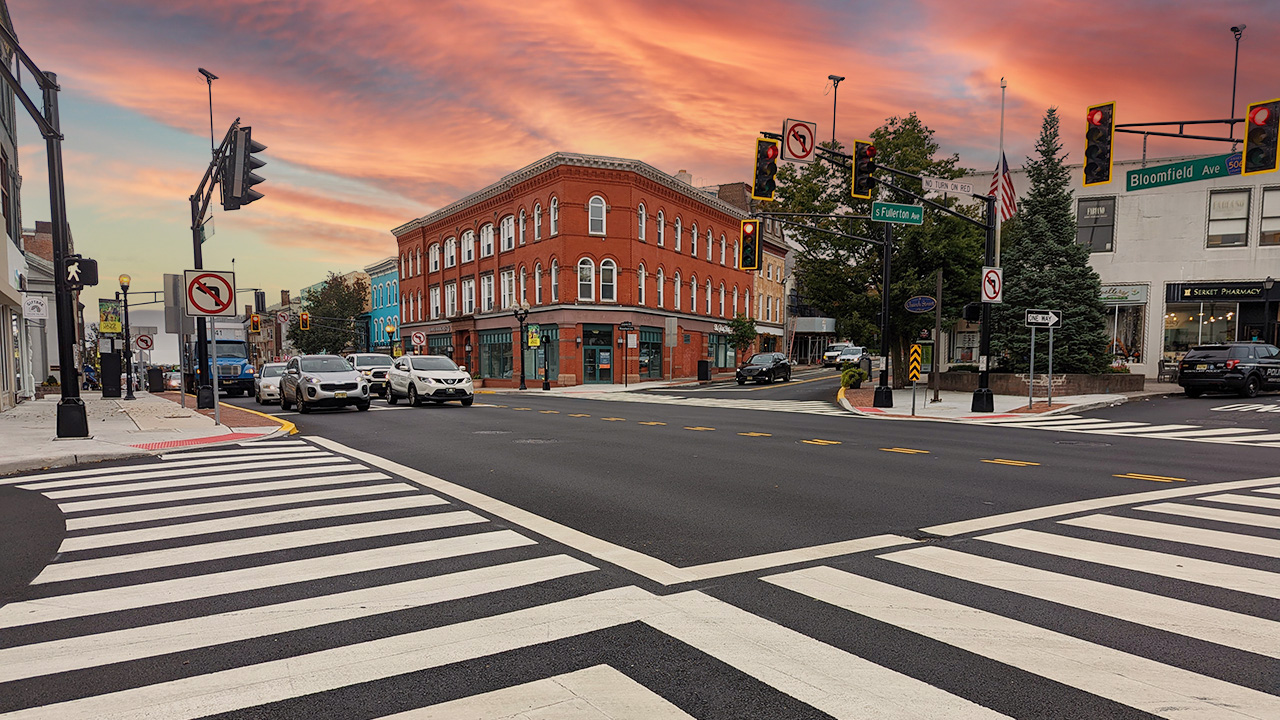
As an example, CED was tasked with addressing a street that has been an urban interstate-style roadway running straight through the heart of a vibrant city. While the corridor serves as a critical connection to one of the region’s most iconic and heavily travelled transportation facilities, the roadway itself has become a barrier between neighborhoods by limiting access to travel modes outside of vehicular traffic. Our improvement project transformed this section of roadway into a space that is safer and more inclusive for all users. Sidewalks were widened, and crossings were shortened to improve and encourage pedestrian accessibility. This transformation will continue to drive expanded access for all, improve the power and connection of community, and will ultimately drive the economic vitality of the city’s neighborhoods.
Sustainability Leadership
Senior Engineering Specialist of Highways & Traffic Engineering, Keith Hall, PE, PTOE, LEED-AP, at Colliers Engineering & Design is very involved in the Institute of Transportation Engineers (ITE) – A Community of Transportation Professionals, working to improve mobility and safety for all transportation users. The organization has a Sustainability Standing Committee that has been leading the organization’s effort on listening sessions to develop a White Paper on how to move transportation forward with a balance of social, economic, and environmental impacts in sustainability.
Traffic Engineering for All Users
By the very nature of what we do, we are dedicated to the overall welfare of our communities. From adhering to the most current design standards to implementing the latest technologies available, we have a responsibility to continue providing and improving safe and accessible transportation systems in which people live and function every day.
Interested in learning more? Connect with one of our experts at our website to find out how we can help you design better transportation systems conducive to all modes of travel.