
Bridges
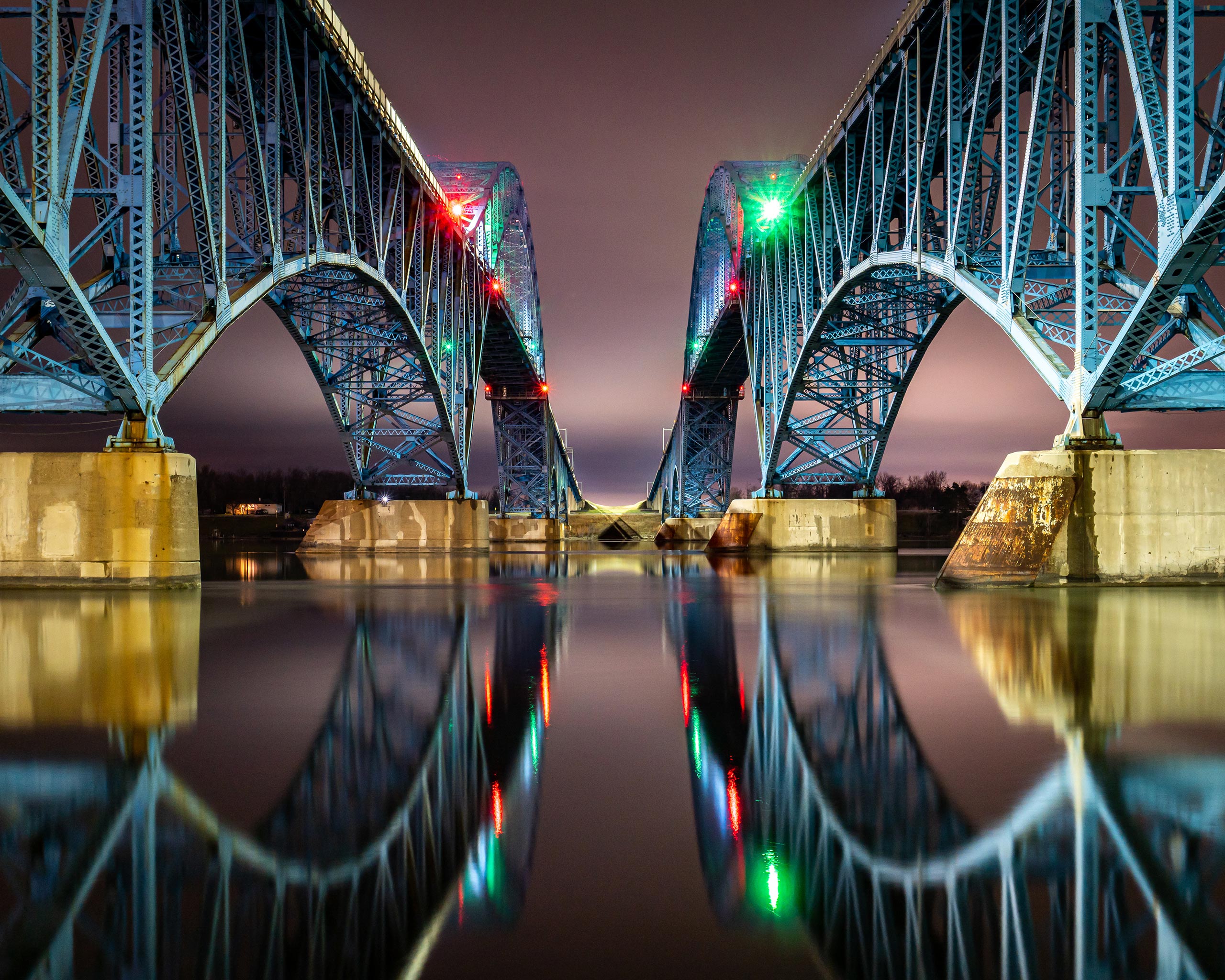
How our bridge engineers help communities build structures that last
What does it take to keep a bridge standing for generations? The right questions, the right expertise, and a team that understands the role these vital structures play in the communities they serve. Bridges are more than structural systems—they are commitments to public safety, economic connectivity, and the daily life of everyone who crosses them.
Our structural engineering professionals provide the technical guidance clients need to evaluate the integrity of existing structures and the experience to rehabilitate or design new ones as the need arises. We support every project phase, from scoping, planning, and preliminary engineering through final design, inspection, and contractor support. Whether you are managing a local span or delivering a complex signature structure, we are ready to meet you there.
- Advanced Structural Analysis
- Bridge Design
- Bridge Inspection and Rope Access
- Specialty Structures
- Waterfront & Marine Structures
- Owner Services
- Forensic Engineering
- Alternative Project Delivery & Contractor Support Services
- Civil Structures
Our approach
Our specialists partner with clients to understand not just what a project requires, but why it matters. That curiosity drives better solutions, ones that are safe, efficient, economical, and thoughtful about the environment they inhabit. From a small municipal crossing to a large-scale, geometrically complex structure, we bring the same level of care and technical rigor to every engagement.
Decades of creative problem-solving across bridges, towers, dams, and marine structures have shaped how we work. We don’t treat projects as isolated technical exercises. Each one starts with a clear picture of the client’s objectives and the real constraints, whether budgetary, environmental, or regulatory, that define what success looks like.
Designing for safety and longevity
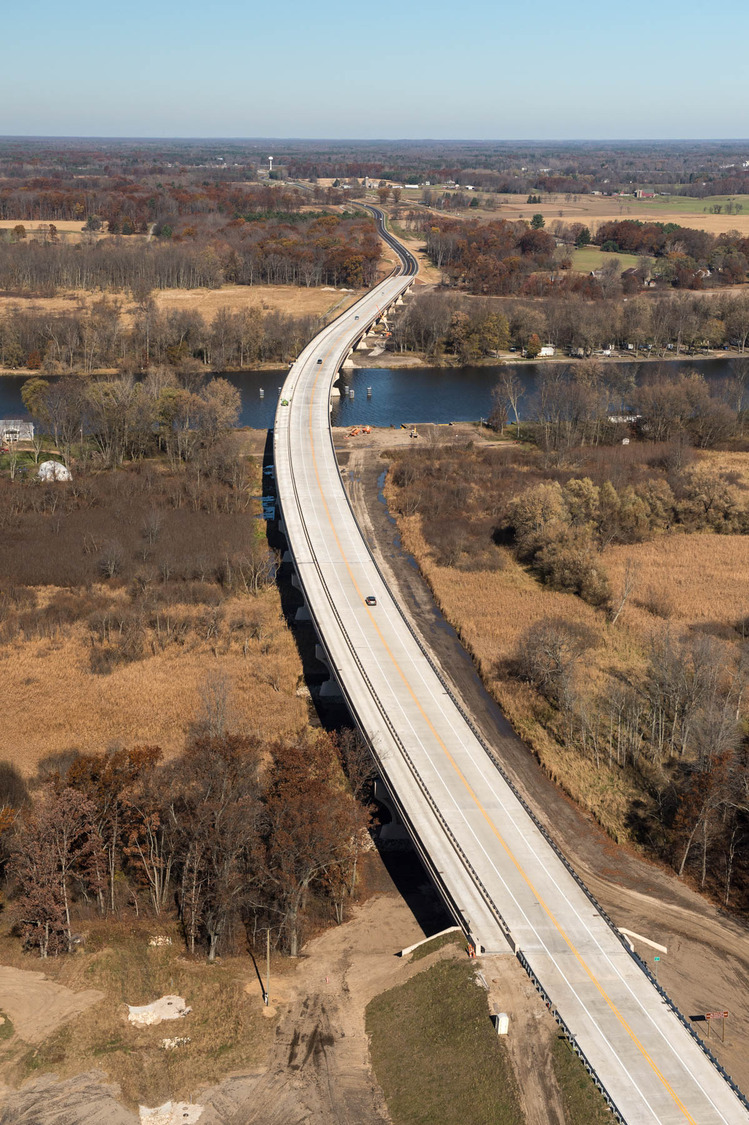
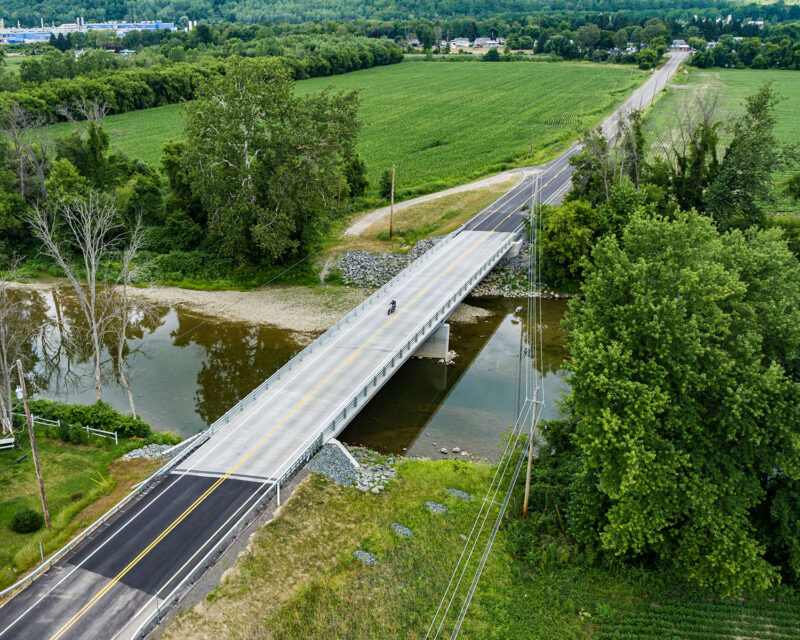
Not every bridge fits a standard template. Severe skews, curved and splayed girders, integral pier caps, and complex framing all demand advanced analysis techniques to accurately capture how a structural system will behave under load. Our team brings deep experience in the analysis, design, and construction of these challenging structures, pairing sophisticated modeling with field knowledge to produce sound engineering where conventional approaches fall short. That same analytical rigor extends to forensic engineering, helping owners diagnose what went wrong and chart a clear path to remediation, and to alternative project delivery, where we provide the structural expertise design-build teams need to maintain momentum on accelerated schedules.
Bridge load ratings built on national experience
Keeping a bridge in service means knowing exactly what it can carry and having the documentation to back it up. With more than 1,000 bridges rated, our load rating team brings a thorough understanding of DOT policies and preferences across the country. We work within AASHTO MBE and AREMA requirements to deliver consistent, high-quality ratings that ensure safety, avoid unnecessary postings, and maintain mobility for the motoring public.
Our load rating work spans the full range of complexity, from standard highway bridges rated in AASHTOWare™ BrR to complex structures requiring advanced modeling techniques. When initial ratings do not pass legal loads or trigger an overload class downgrade, we dig deeper. For railroad bridges, our specialists conduct in-depth inspections, load ratings, and strengthening recommendations based on owner-specific rail car loadings, using internally developed Mathcad rating sheets and finite element modeling. We also provide independent QA and peer reviews to confirm compliance with current DOT, FHWA, and AASHTO practices, including NBIS inventory reviews.
Frequently asked questions
Federal regulations under the National Bridge Inspection Standards (NBIS) require routine inspections of most highway bridges at least once every two years. Some structures with known deficiencies, unusual configurations, or higher risk profiles may require more frequent inspection cycles. Our team helps owners establish and maintain inspection programs that meet federal and state requirements while giving them a clear, ongoing picture of their bridge inventory.
A load rating determines the maximum load a bridge can safely carry. It is essential for maintaining public safety, avoiding unnecessary weight postings, and preserving mobility for the traveling public. Our team has rated more than 1,000 bridges nationwide using AASHTO MBE and AREMA requirements, and when initial ratings do not pass legal loads, we apply advanced analysis techniques to find capacity that simpler methods may miss.
That depends on the extent of deterioration, the cost of repair relative to replacement, the remaining useful life of the structure, and whether the bridge can meet current design standards and loading requirements. Our team evaluates all of those factors during the scoping and preliminary engineering phase so that owners can make an informed decision based on lifecycle cost and long-term performance rather than just the immediate price tag.
We design across the full range of bridge types and complexities, from standard highway crossings to structures with severe skews, curved and splayed girders, integral pier caps, and complex framing. Our team also provides design services for culverts, pedestrian bridges, railroad bridges, and marine and waterfront structures.
Yes. We provide structural engineering expertise to design-build teams where accelerated schedules and contractor coordination require engineers who can make sound decisions quickly. Our experience with alternative project delivery allows us to integrate into fast-moving teams and maintain the engineering rigor the project demands without slowing it down.
Forensic engineering is the investigation of a structural failure, distress, or unexpected behavior to determine its root cause. Owners typically need forensic services after a collapse, significant cracking, settlement, or any condition that raises questions about a structure’s safety. Our forensic findings inform repair and rehabilitation design and also support litigation and insurance claims when needed.
Yes. Our specialists conduct in-depth inspections and load ratings for railroad bridges based on owner-specific rail car loadings. We use internally developed rating tools and finite element modeling to assess capacity and develop strengthening recommendations when needed, and we provide independent QA and peer review services to confirm compliance with current standards.
Let’s talk about your next project!
Our multidisciplinary approach to design, combined with a deep understanding of the industry and passion for innovation, has positioned us as leaders consistently delivering outstanding results in shaping the built environment.