
Transportation Engineering
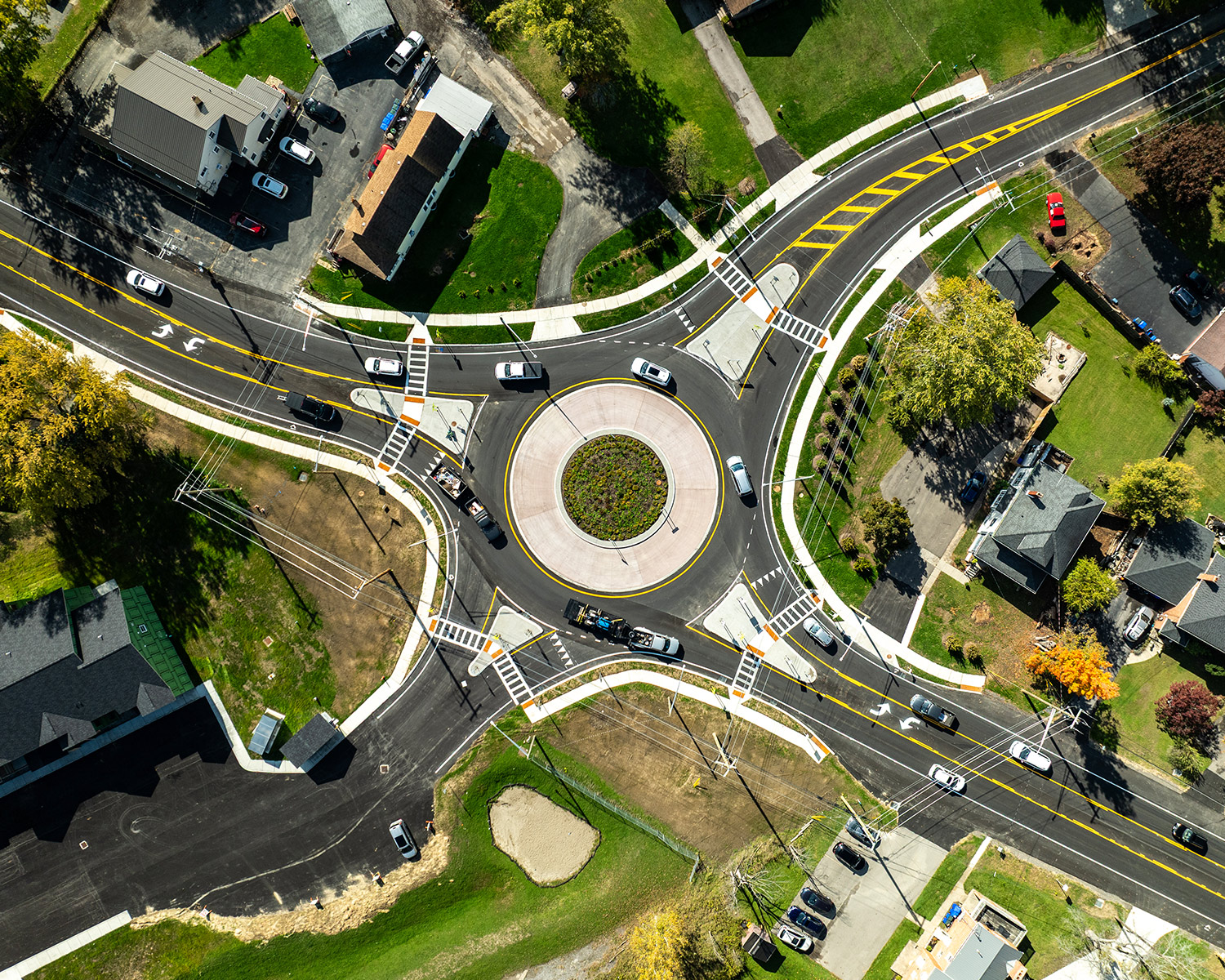
How our transportation engineers help build safer, smarter roadway networks
Every roadway decision, where a signal goes, how an intersection is configured, whether a corridor can absorb the traffic a new development will generate, shapes the way a community moves. The engineering behind those decisions must account for safety, capacity, accessibility, regulatory compliance, and the expectations of the people who use the road every day. Getting it right takes a team that understands the technical standards and the communities those roads serve.
Our transportation professionals provide a full spectrum of traffic engineering, highway design, and transportation planning services to public and private sector clients. From concept development and traffic analysis through final design, construction inspection, and operations management, we deliver integrated solutions for projects of every size and complexity. Established relationships with DOT and county agencies help us navigate permitting and entitlements efficiently, and our in-house survey, environmental, geotechnical, and bridge engineering teams mean clients get coordinated support across every discipline a transportation project touches.
- ADA Curb Ramp Design & Pedestrian Accessibility
- Adaptive Traffic Signal Systems Design
- Bridge Engineering
- Complete Streets & Bicycle Accommodations
- Expert Testimony
- Highway & Roadway Design
- Highway Access Permitting
- Highway Corridor Analysis
- Intersection & Roundabout Design
- Maintenance & Protection of Traffic Plans
- Mobile LiDAR Mapping Services
- Origin/Destination Surveys
- Parking & Accident Analysis
- Pavement Marking & Signing Design
- Railroad Crossing Safety Audits & Improvements
- Ramp, Jughandle & Interchange Design
- Roadway Drainage & Stormwater Management
- Roadway Safety Audits & Vision Zero Services
- System Engineering & ITS Design
- Traffic Impact Studies
- Traffic Signal Design & Analysis
- Transit-Oriented Developments
- Transportation Improvement Districts
- Transportation Planning
- Utility Accommodation & Relocations
- Wayfinding Signage Design
Our approach
Transportation projects rarely fit into a single discipline. A highway widening may require traffic signal upgrades, stormwater management, utility relocations, and pedestrian accessibility improvements, all coordinated under one design. Our team is structured to handle that complexity. Traffic engineers, highway designers, transportation planners, and construction professionals work together to deliver projects that are technically sound, community-sensitive, and built to perform. That integrated approach eliminates the coordination gaps that slow projects down when responsibilities are spread across multiple firms.
We also bring a strong commitment to the principles shaping modern transportation design: complete streets, Vision Zero, sustainable transportation, and multi-modal connectivity. These are not add-ons for our team. They are built into how we think about every corridor, intersection, and signal system we design.
Traffic engineering and intelligent transportation systems
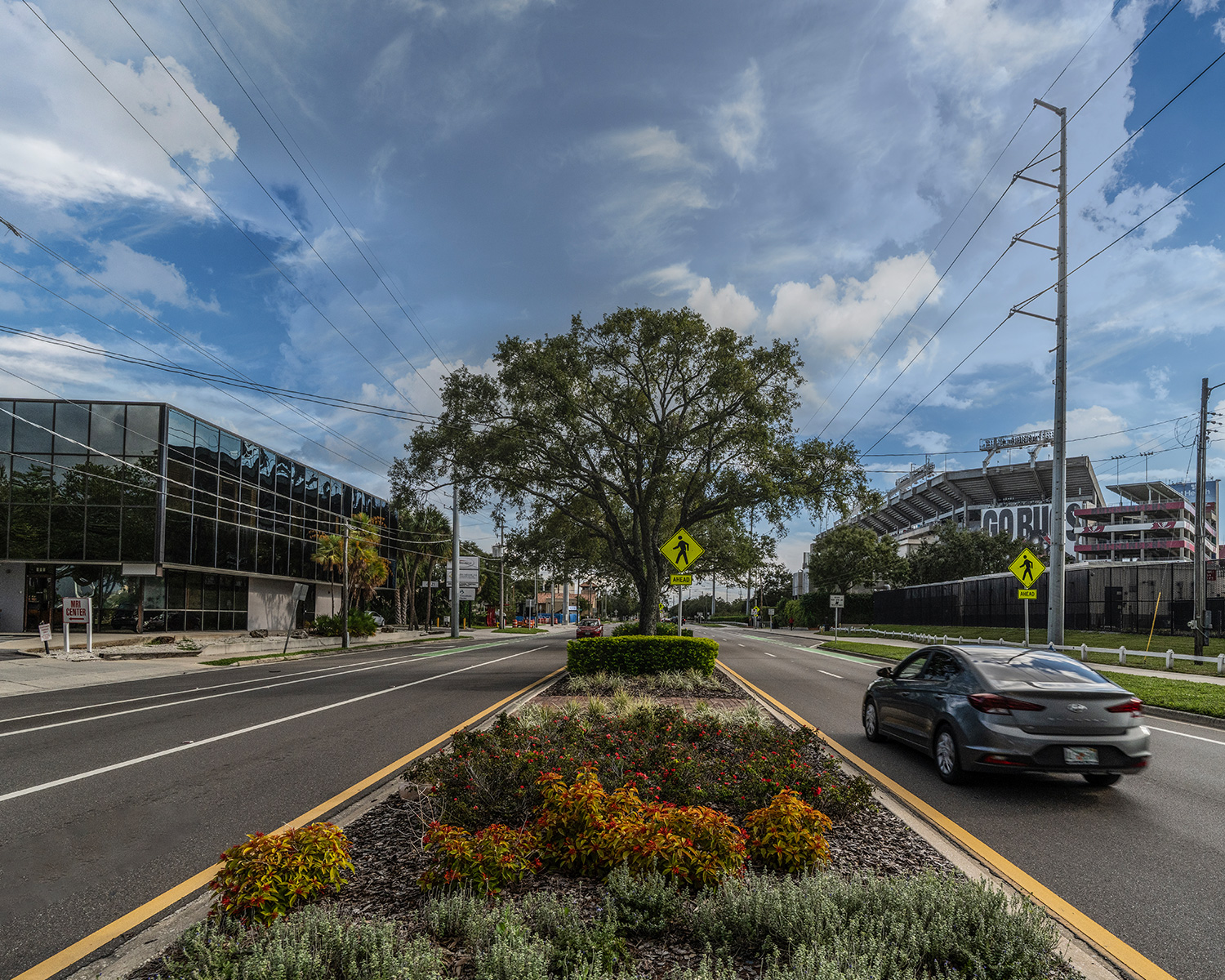
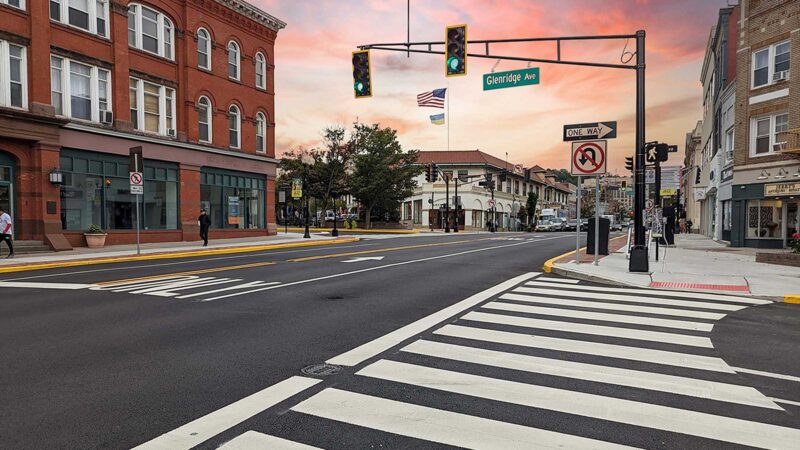
Effective traffic engineering is about more than moving vehicles through an intersection. It is about designing systems that respond to real-world conditions, protect vulnerable road users, and adapt as demand patterns change. Our traffic engineering team specializes in signal design and optimization, including adaptive traffic signal systems that adjust in real time to shifting traffic volumes. We design intelligent transportation systems (ITS), temporary and permanent lighting, pavement markings and signage, accessible pedestrian signals, and traffic operations center systems.
Our professionals also conduct railroad crossing safety audits, roadway asset inventories, and roadway safety audits that give agencies the data they need to prioritize improvements and advance Vision Zero goals. Whether the project is a single signal upgrade or a corridor-wide ITS deployment, we bring the operational understanding and the design expertise to make the system work.
Highway design, planning, and getting projects built
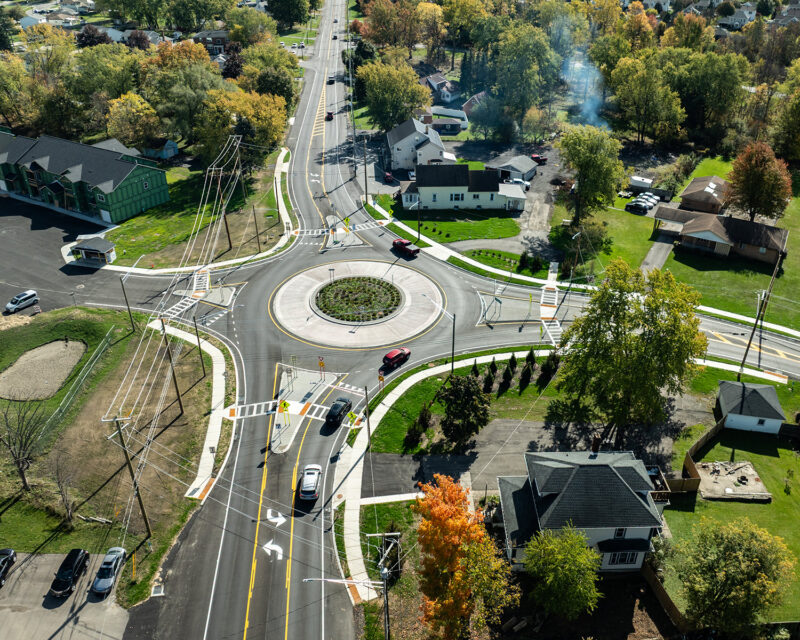
Our highway design professionals handle projects ranging from minor geometric upgrades to multi-million-dollar corridor improvements across urban and rural settings. That work includes highway and roadway design, intersection and roundabout design, ramp, jughandle and interchange design, roadway drainage and stormwater management, utility accommodation and relocations, maintenance and protection of traffic plans, and mobile LiDAR mapping services. On the planning side, our transportation planners prepare comprehensive traffic impact studies and expert testimony for private development projects of all sizes, including shopping centers, restaurants, pharmacies, convenience stores, service stations, and industrial and warehouse facilities. We also provide highway access permitting, highway corridor analysis, origin and destination surveys, parking and accident analysis, wayfinding signage design, and planning support for transit-oriented developments and transportation improvement districts.
Because our planning, design, and construction inspection teams work within the same firm, projects move from analysis through final design and construction closeout without the handoff delays that come from coordinating between separate consultants. That continuity benefits both public sector agencies managing complex corridor programs and private developers who need timely permitting and clear transportation solutions to keep their projects on track.
Frequently asked questions
Yes. Our transportation practice serves both sides of the table. We work with state DOTs, counties, and municipalities on corridor improvements, signal systems, and safety upgrades, and we support private developers with traffic impact studies, highway access permitting, and expert testimony for projects ranging from shopping centers and restaurants to industrial and warehouse facilities.
An adaptive signal system adjusts signal timing in real time based on actual traffic conditions rather than relying on pre-set timing plans. These systems improve traffic flow, reduce congestion, and can significantly cut delay times at intersections. Our team specializes in the design and optimization of adaptive systems and can help agencies determine where they will deliver the greatest benefit.
A traffic impact study analyzes how a proposed development will affect traffic operations on surrounding roadways. Most municipalities and DOTs require one when a new project is expected to generate a significant number of vehicle trips. Our planners prepare comprehensive studies that assess intersection capacity, signal timing, access points, and any improvements needed to maintain acceptable levels of service, and we provide expert testimony to support approvals when needed.
We conduct roadway safety audits and apply Vision Zero principles to identify locations where design changes can reduce the frequency and severity of crashes. That can include intersection reconfiguration, improved pedestrian crossings, signal upgrades, enhanced signing and pavement markings, and ADA curb ramp design. Our recommendations are driven by crash data and field observation, not assumptions.
Traffic engineers focus on the design and operation of specific systems like signals, intersections, and ITS infrastructure. Transportation planners take a broader view, analyzing how development, land use, and policy decisions affect mobility across a network. Our team includes both, and having them work together means projects benefit from detailed technical design and big-picture strategic thinking at the same time.
Yes. We develop maintenance and protection of traffic (MPT) plans that keep roadways safe and functional while construction is underway. These plans address lane closures, detour routes, temporary signage, pedestrian access, and phasing sequences, all designed to minimize disruption to the traveling public while giving contractors the access they need to get the work done.
Let’s talk about your next project!
Our multidisciplinary approach to design, combined with a deep understanding of the industry and passion for innovation, has positioned us as leaders consistently delivering outstanding results in shaping the built environment.