Reclaiming Toledo’s Waterfront
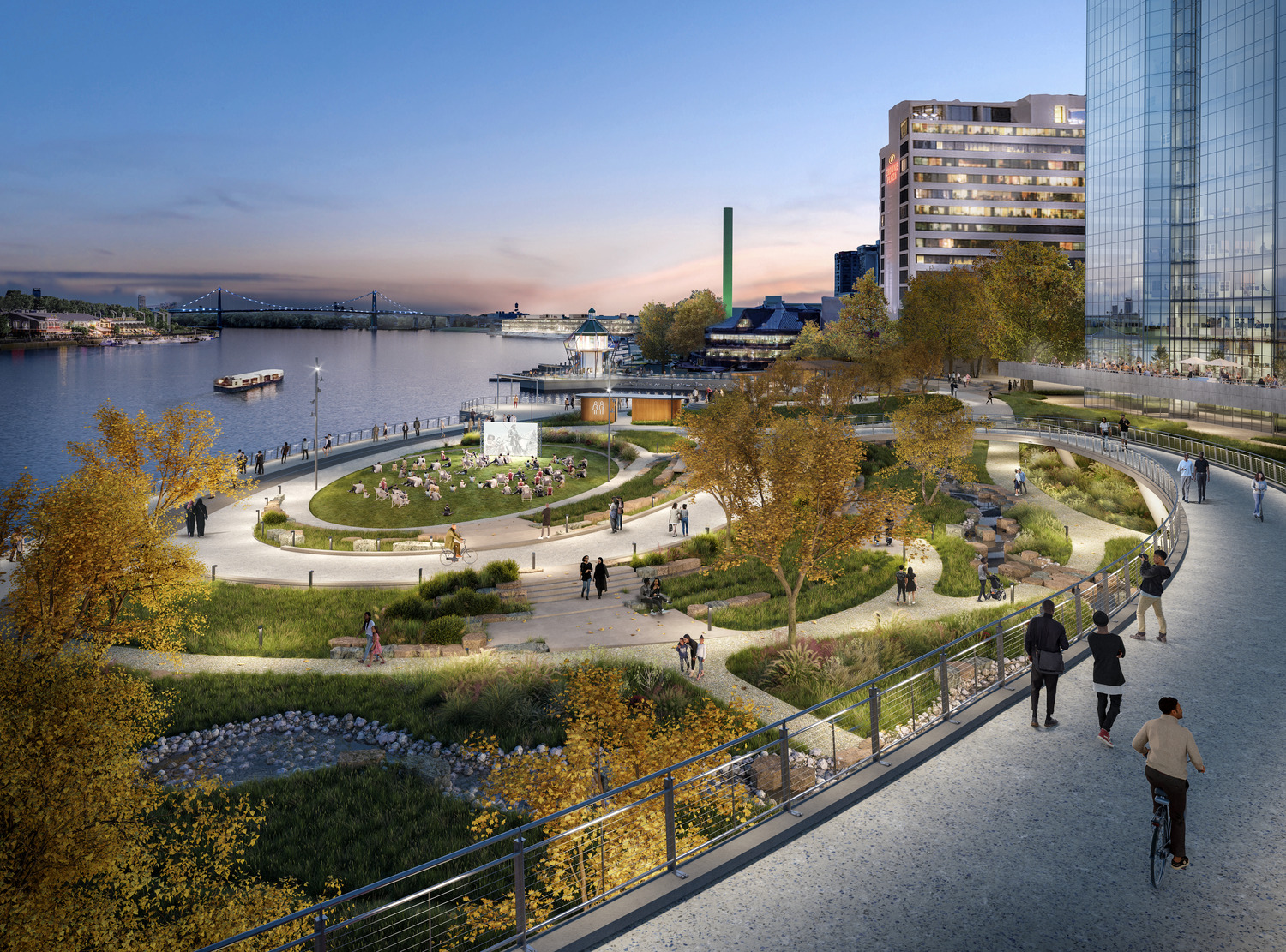
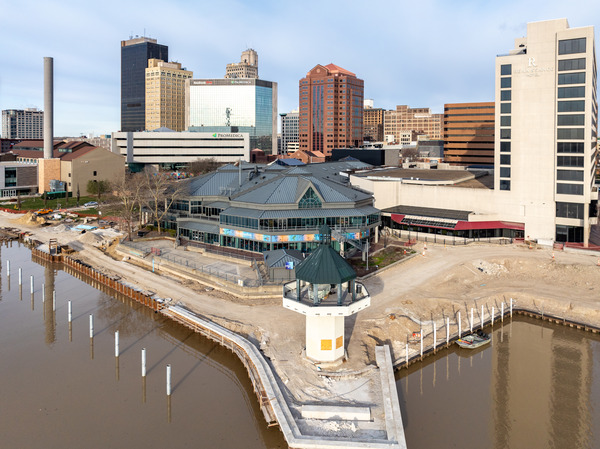
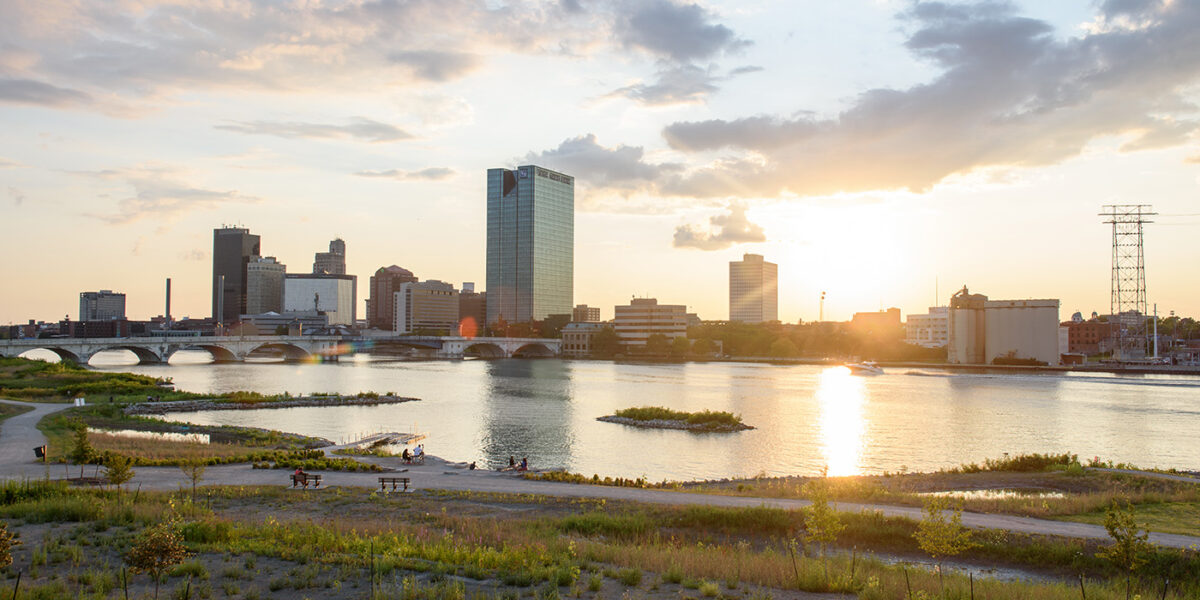
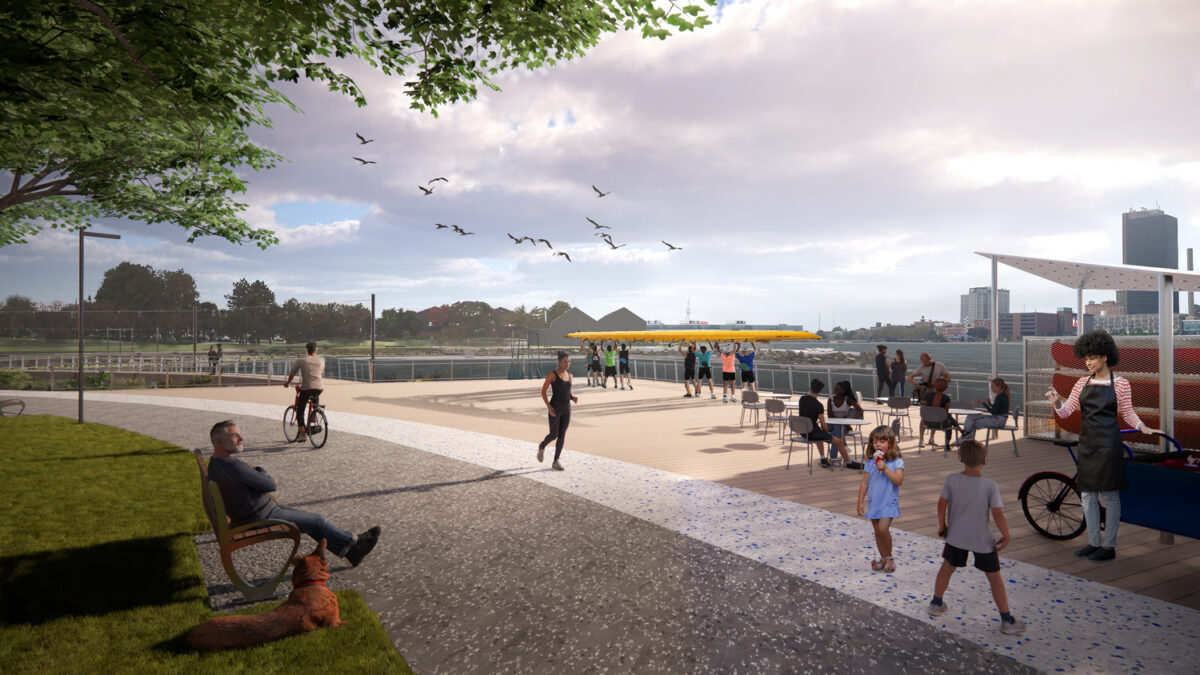
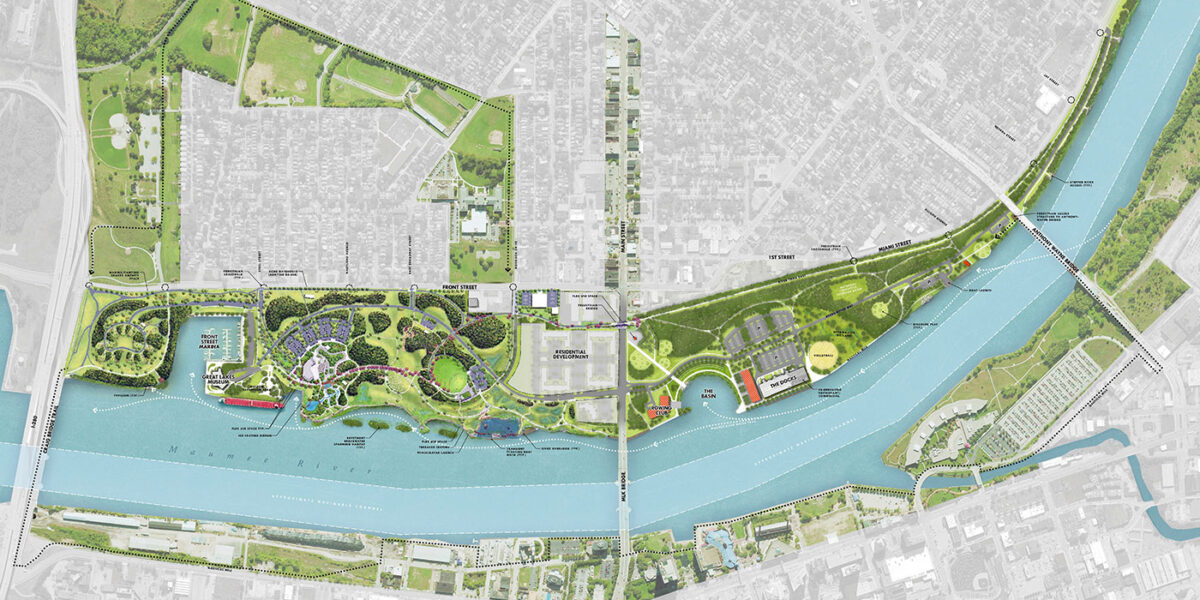
The Glass City Riverwalk is a transformative urban redevelopment initiative that is reshaping more than 100 acres of underutilized waterfront along both banks of the Maumee River in downtown Toledo. Extending from the Anthony Wayne Bridge (SR 2) to the Veterans’ Glass City Skyway (I-280), the project reconnects the city to its river through a continuous public realm that links Promenade Park, International Park, and Swan Creek. Envisioned as a catalyst for inclusive access, outdoor recreation, and community connection, the Riverwalk reestablishes the Maumee River as a defining civic asset.
The $57 million downtown phase is supported in part by a $23.7 million federal BUILD grant and required an accelerated path to authorization, with federal approvals secured within a 10-month window. This compressed timeline shaped every aspect of the project’s early phases, demanding close coordination between design, permitting, and agency review to keep the vision moving forward without compromise.
Infrastructure, Design, and Identity
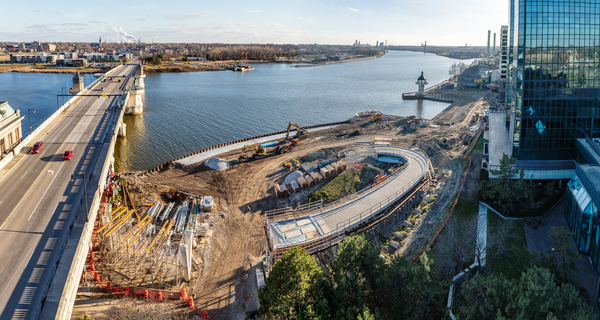
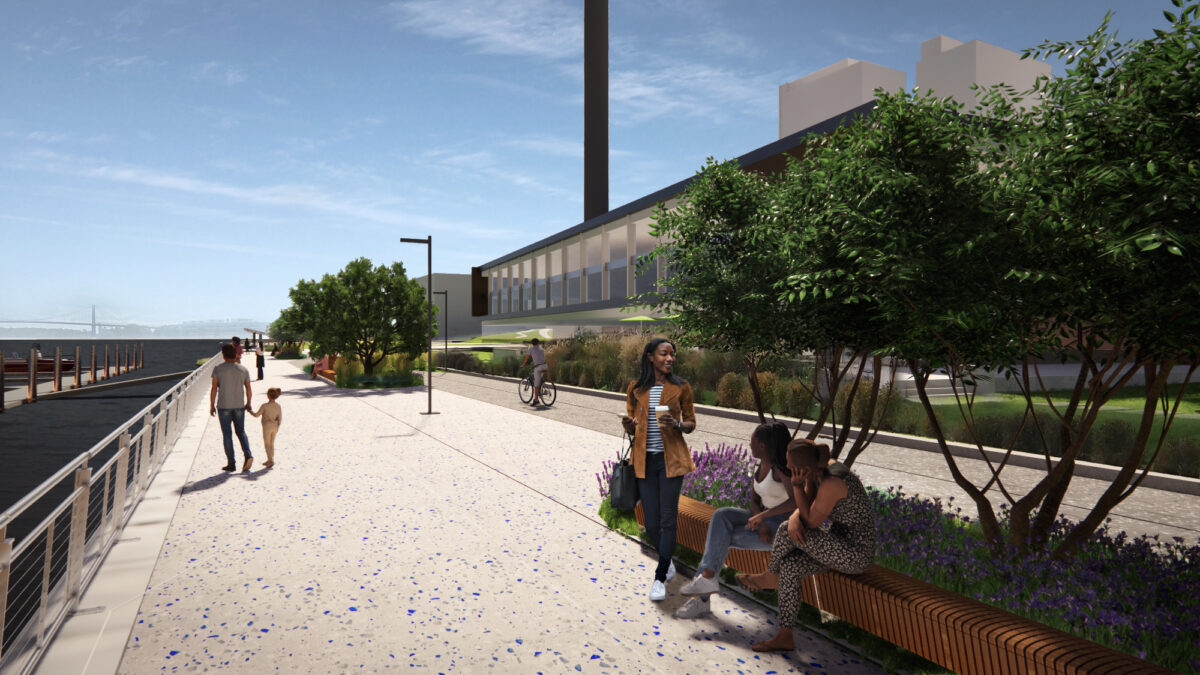
Our team is leading the design of the downtown segment, which includes nearly one mile of multi-use trails, two pedestrian bridges, and significant shoreline and utility infrastructure improvements. A defining feature of this phase is the Bend Bridge, a seven-span, cast-in-place concrete structure with a sweeping 180-degree curve that creates a memorable river crossing while connecting the Riverwalk to the MLK Jr. Bridge via fully ADA-compliant routes. The bridge’s concrete deck incorporates recycled glass, introducing a subtle, shimmering surface that reflects Toledo’s identity as the “Glass Capital of the World.”
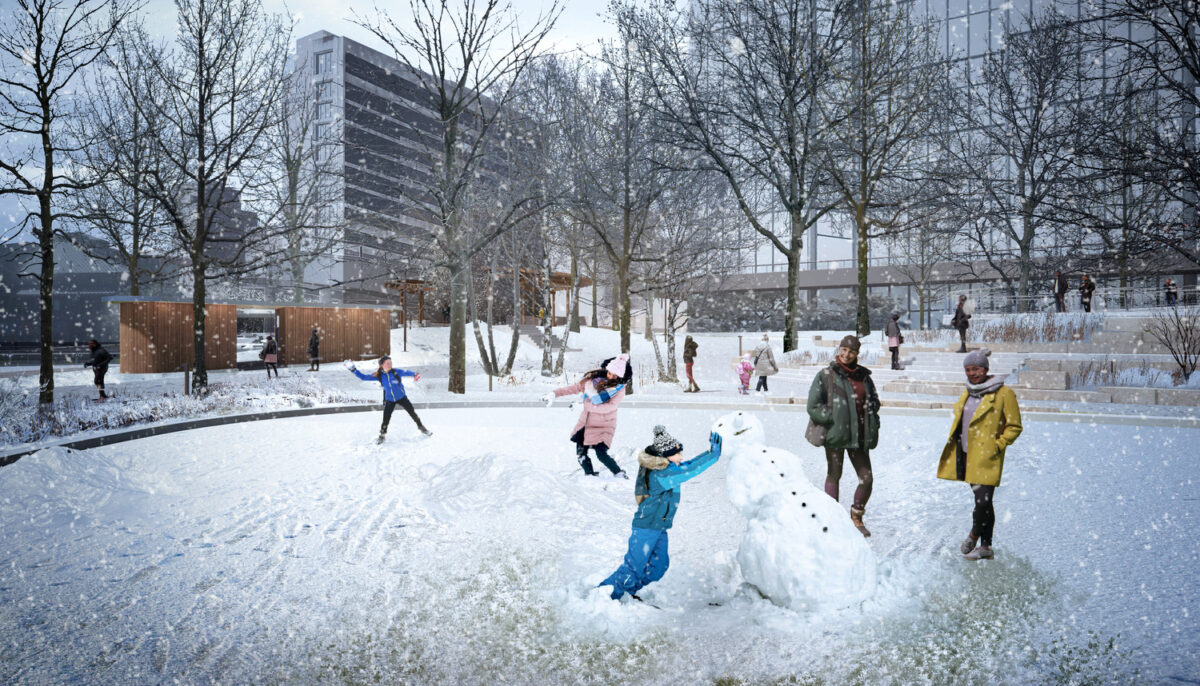
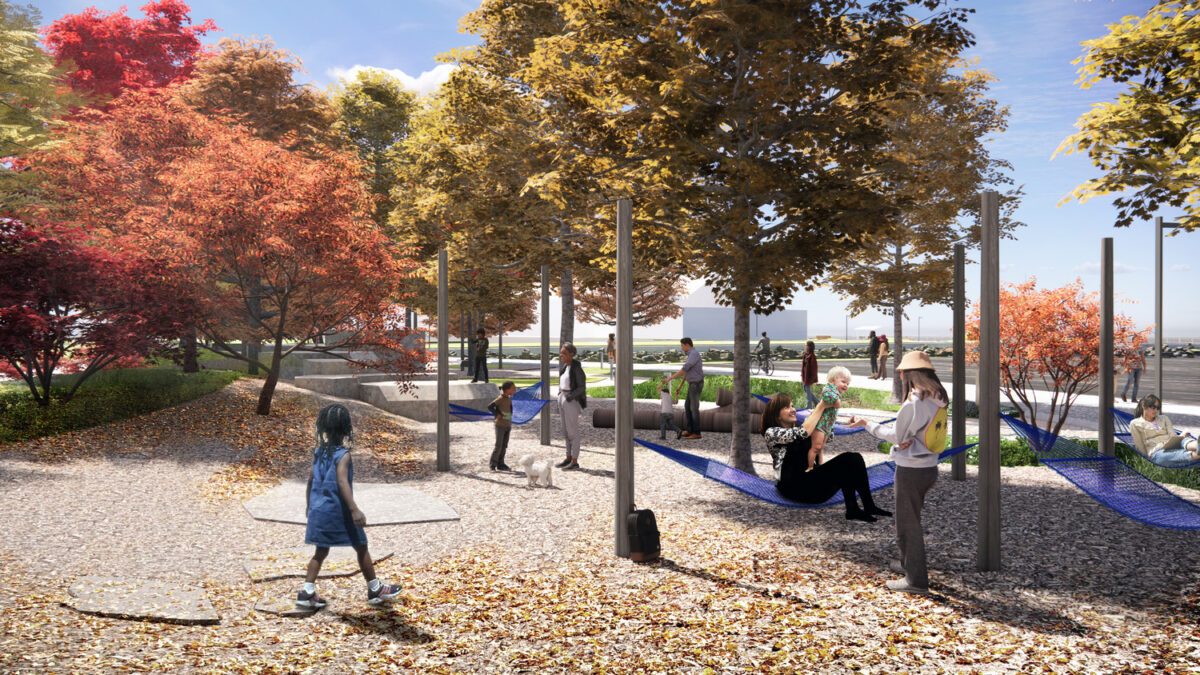
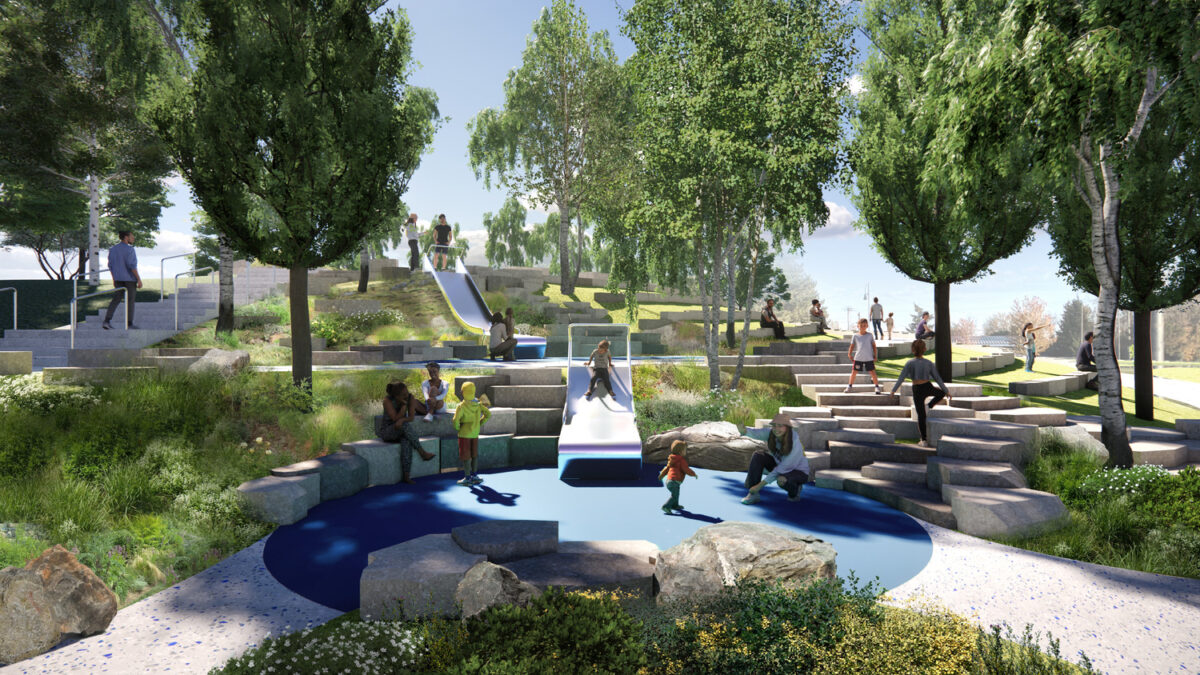
The project also integrates a wide range of amenities designed to activate the waterfront and support year-round use. Features currently in progress include the Pond Bridge with corrosion-resistant GFRP reinforcement, kayak launches, nature-based play areas, comfort facilities, and 26 boat slips equipped with fire suppression systems. Ecological enhancements are central to the design, with more than 340 native trees, extensive wetland plantings, and over 1,500 feet of new and rehabilitated seawall supporting scenic overlooks and direct access to the river.
Historic preservation plays a meaningful role as well, most notably through the adaptive reuse of the on-site lighthouse, which is being restored as a visual and cultural anchor within the park. Delivered through a CMAR model, the Glass City Riverwalk continues to advance through close collaboration with eight subconsultants and major utility providers, transforming Toledo’s riverfront into a connected, resilient, and distinctly local public landscape.