Ford Street Bridge: Engineering a Future Without Erasing the Past
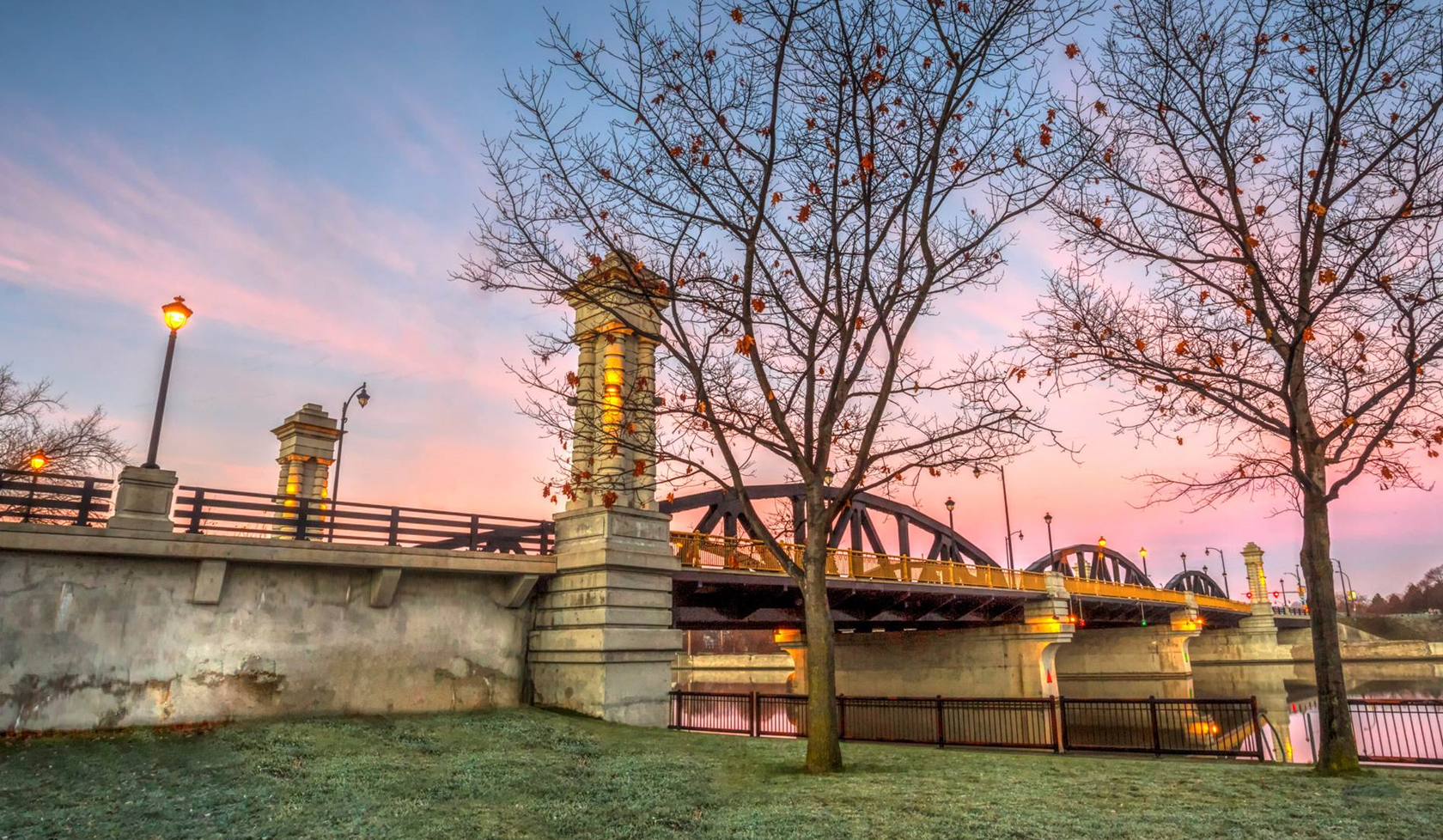
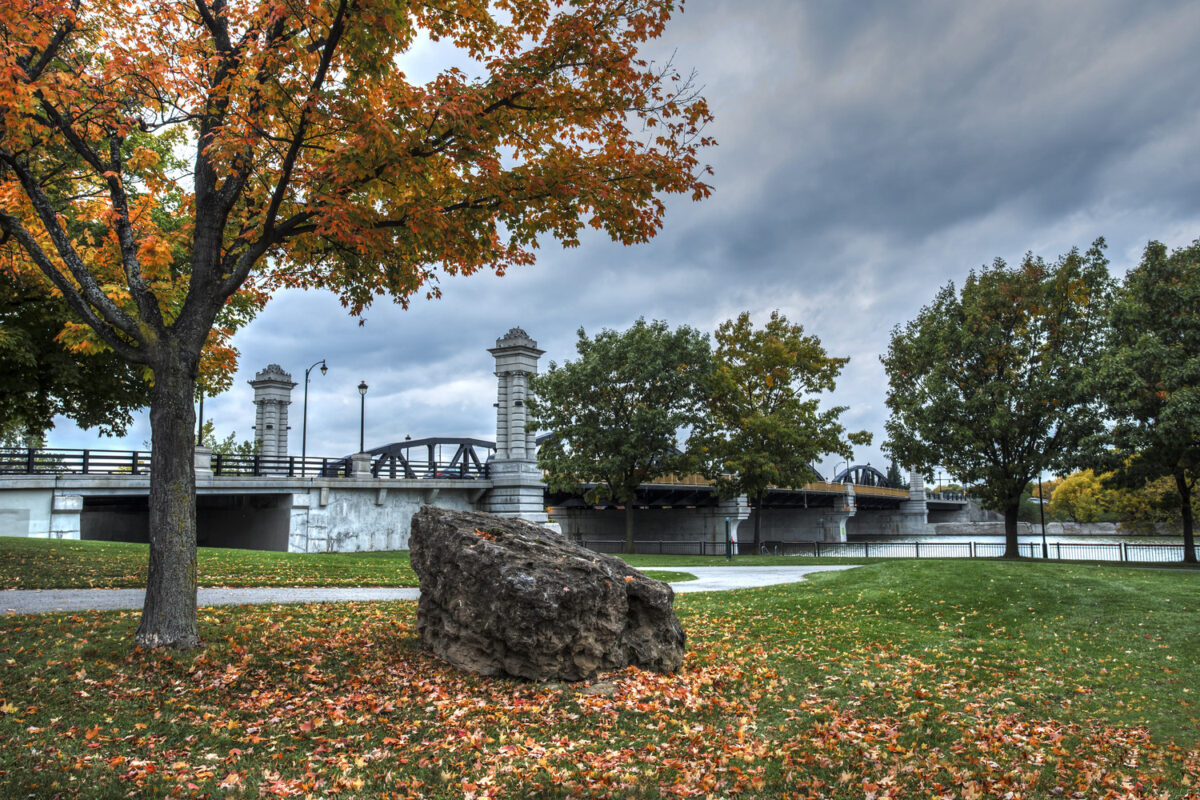
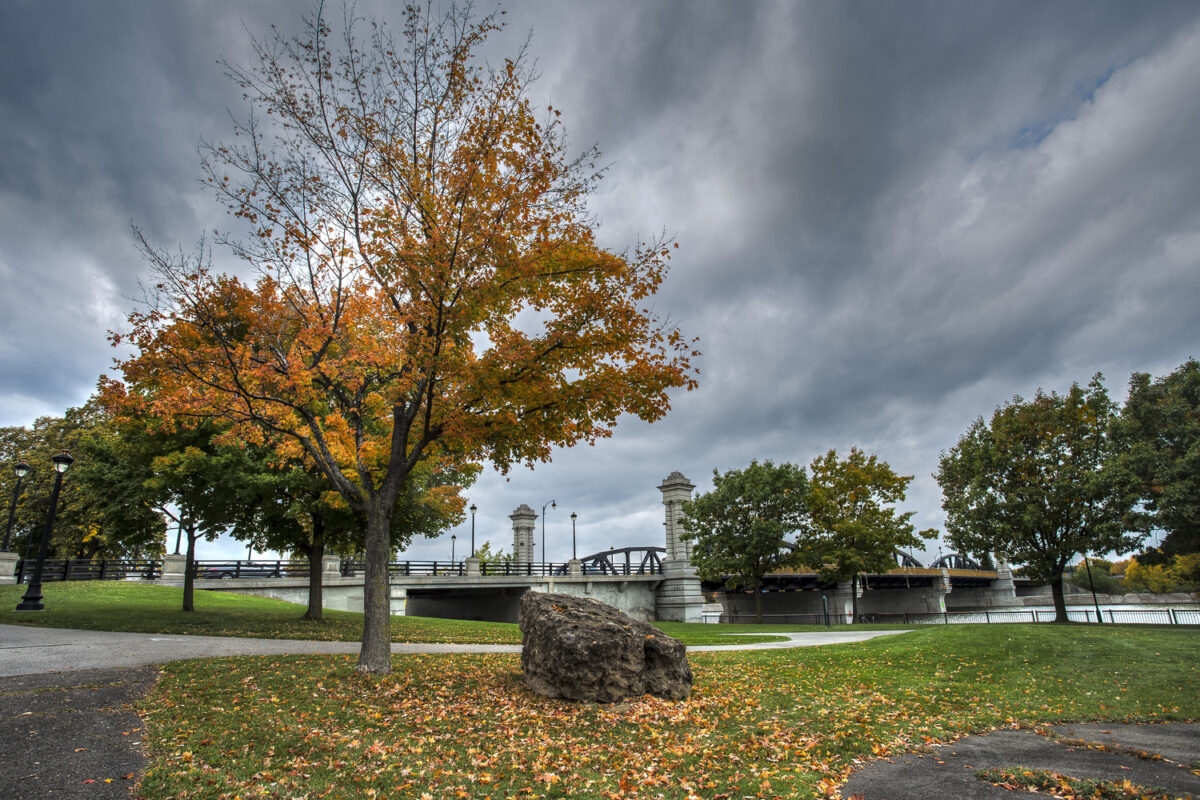
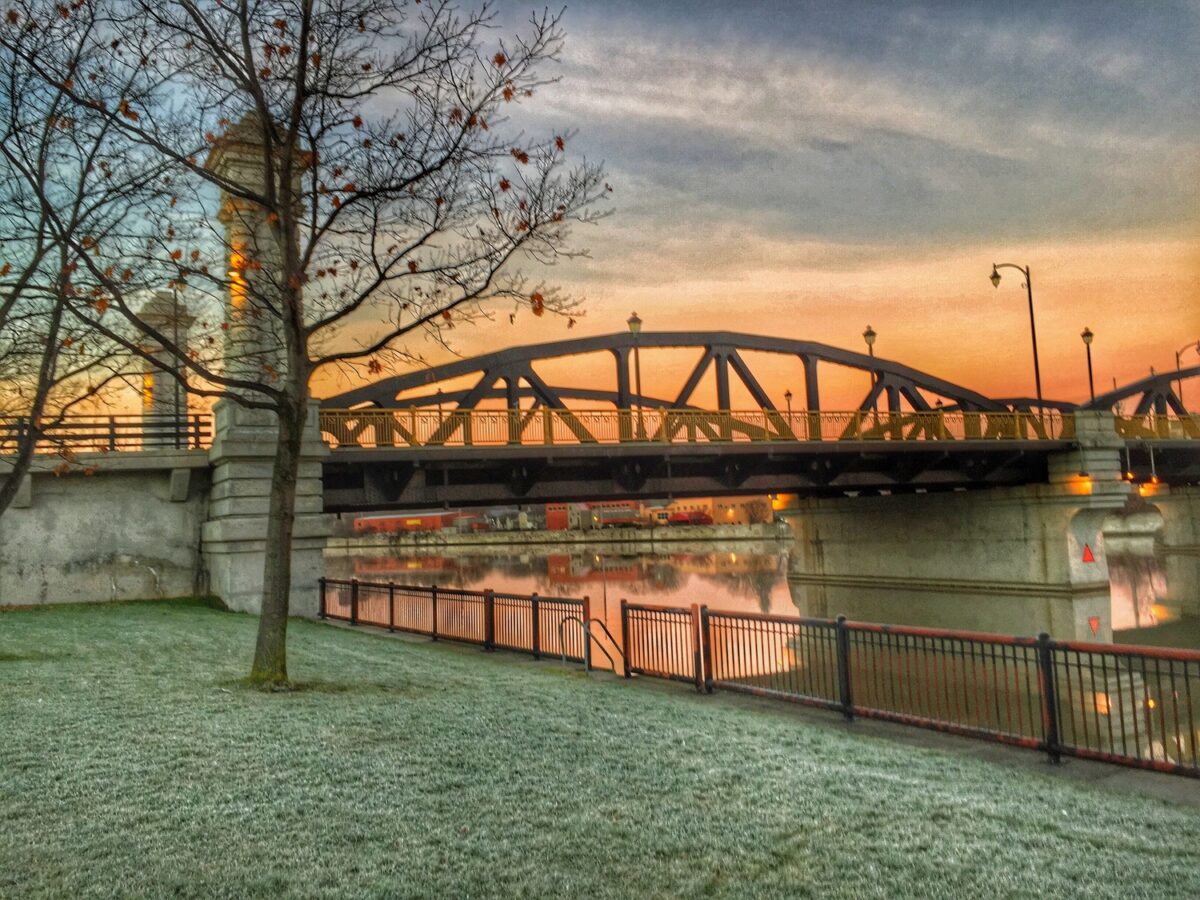
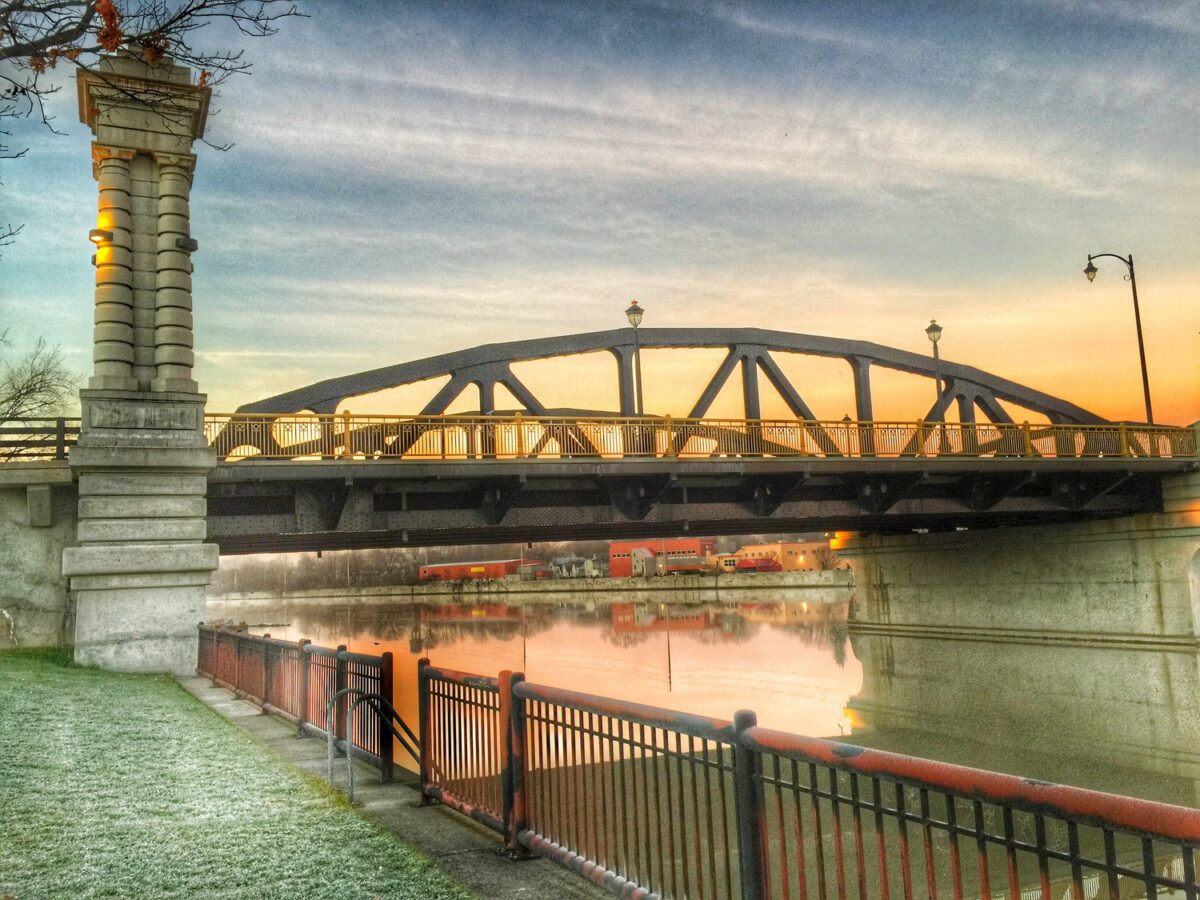
Over 20,000 vehicles cross the Ford Street Bridge every day. Originally constructed in 1918 to carry trolley and vehicular traffic, this 390-foot, three-span pony truss structure over the Genesee River is more than a transportation link. It’s a contributing component of the historic Barge Canal System, connecting the Corn Hill neighborhood and the Mt. Hope-Highland National Historic District. When the City of Rochester needed to address its structural deficiencies and meet the corridor’s growing transportation demands, the challenge was clear: make the bridge work harder without losing what makes it worth preserving.
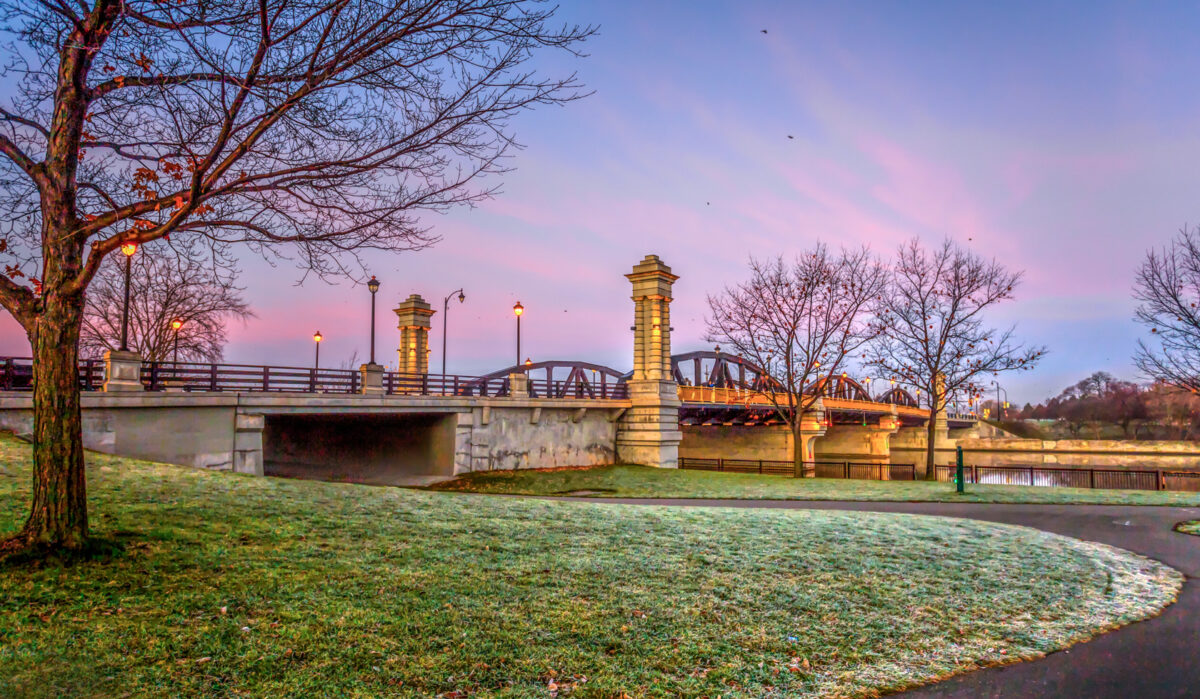
Our team provided scoping, preliminary design, final design, and construction inspection for the rehabilitation and widening of the bridge from 39 feet to 50 feet curb-to-curb, accommodating a full four-lane roadway. The truss spans were widened by removing the existing floorbeam and stringer system and placing a new three-span continuous deck girder bridge, with the historic trusses removed, rehabilitated, and reset as defining visual elements now laterally supported by the new structure. Complete superstructure replacement was required for the 73-foot deck girder approach structures, and the voided slab approach was widened with new slab units. Staged construction maintained at least one lane of traffic throughout.
New Structure, Original Character
Historic restoration was woven into every phase. Twenty-five-foot precast architectural end pylons were designed to replicate the originals that had been removed under previous projects, bringing back a defining feature of the bridge’s character. Ornamental lighting fixtures were installed on the bridges and approaches, and landscaping improvements to an adjacent park included ornamental concrete walls, stamped concrete pavement, and new plantings.
Significant public involvement and historic review were required at every stage, ensuring the finished bridge reflected both engineering rigor and community pride. The project earned the Western New York Landmark Society’s Award of Merit, recognizing the commitment to restoring the bridge to its original design intent. It’s the kind of result that proves preservation and progress aren’t competing goals.