Securing a Critical Regional Water Supply
The Army Water Line (AWL) has served as a vital connection between Watertown and Fort Drum since 1990, delivering potable water to military operations and surrounding communities in Jefferson County. After more than three decades of service, portions of the system have reached the end of their useful life. The current replacement initiative is focused on strengthening long-term reliability and protecting water quality for more than 40,000 residents, service members, and neighboring municipalities.
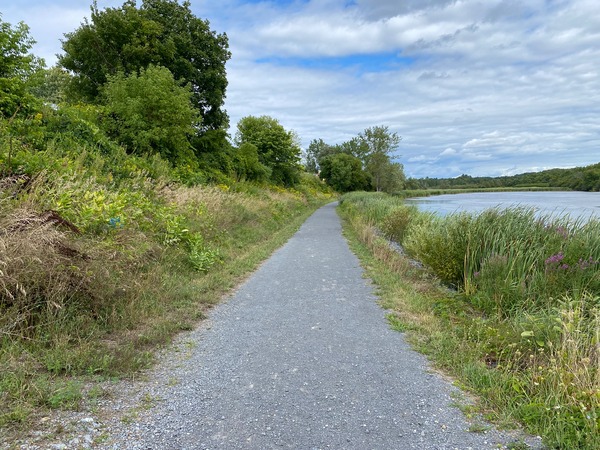
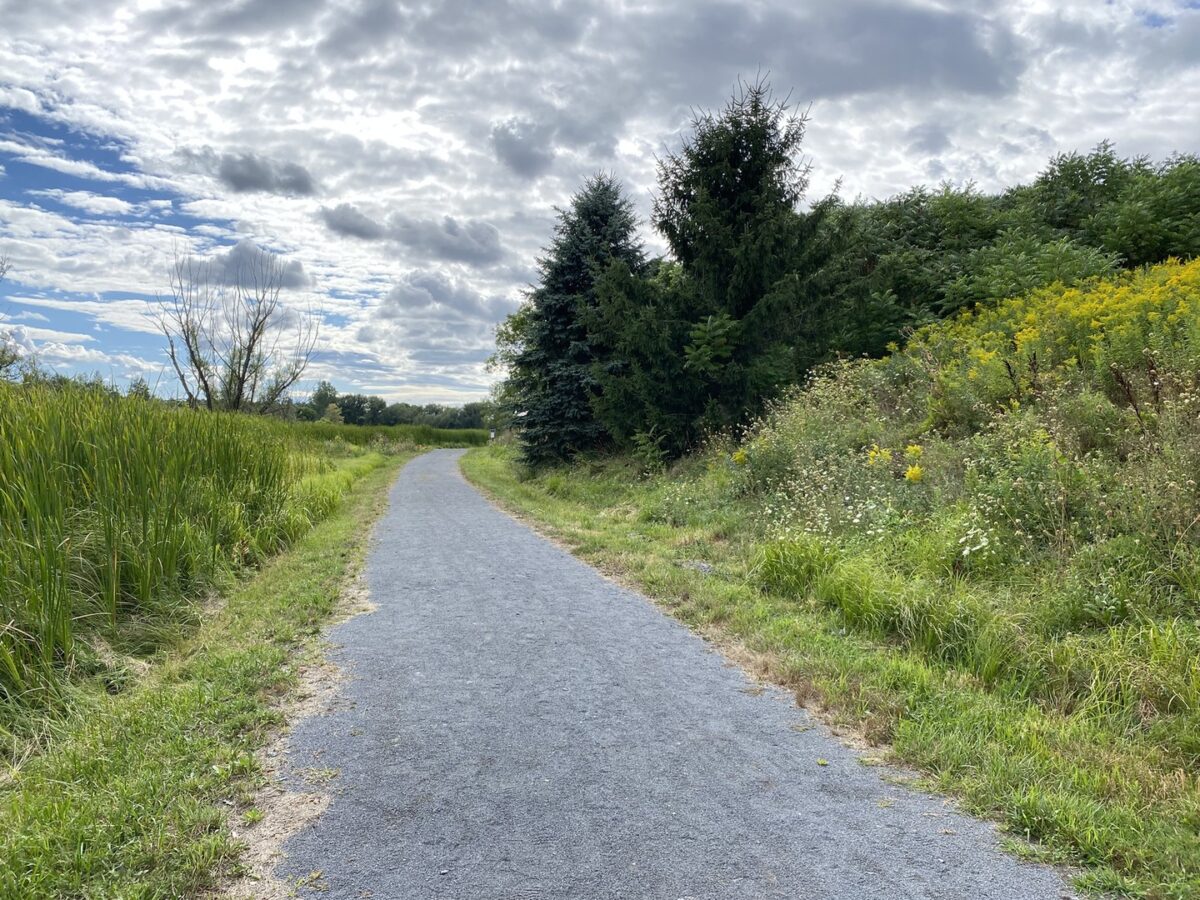
The project includes the removal of aging infrastructure and installation of modern, high-performance water mains across six linear segments spanning approximately 12.5 acres. Given the corridor’s path through both developed areas and environmentally sensitive landscapes, careful planning has been essential to advancing the project while minimizing impact.
Navigating Environmental Complexity to Advance Design
Our team supported the project through comprehensive environmental services that informed planning, design, and permitting. The alignment crosses a diverse range of land covers, including agricultural areas, maintained landscapes, shrubland, roadways, and natural corridors, each requiring tailored evaluation and coordination.
Field investigations identified seven wetlands within the project corridor, representing a range of ecological systems and meeting criteria for classification as wetlands of unusual importance under New York State jurisdiction. Additional potential wetlands were also documented near the alignment. Our team conducted detailed delineations in accordance with NYSDEC and USACE guidance, integrating surveyed boundaries into project mapping to guide design decisions and support agency coordination.
In addition, we completed threatened and endangered species habitat assessments and a cultural resources review to ensure that environmental and regulatory considerations were fully addressed as the project advanced.
Through a coordinated and data-driven approach, the project balances critical infrastructure renewal with environmental stewardship—supporting a more resilient water system while protecting the natural resources that surround it.