How Eric Marks plans for future technology through design
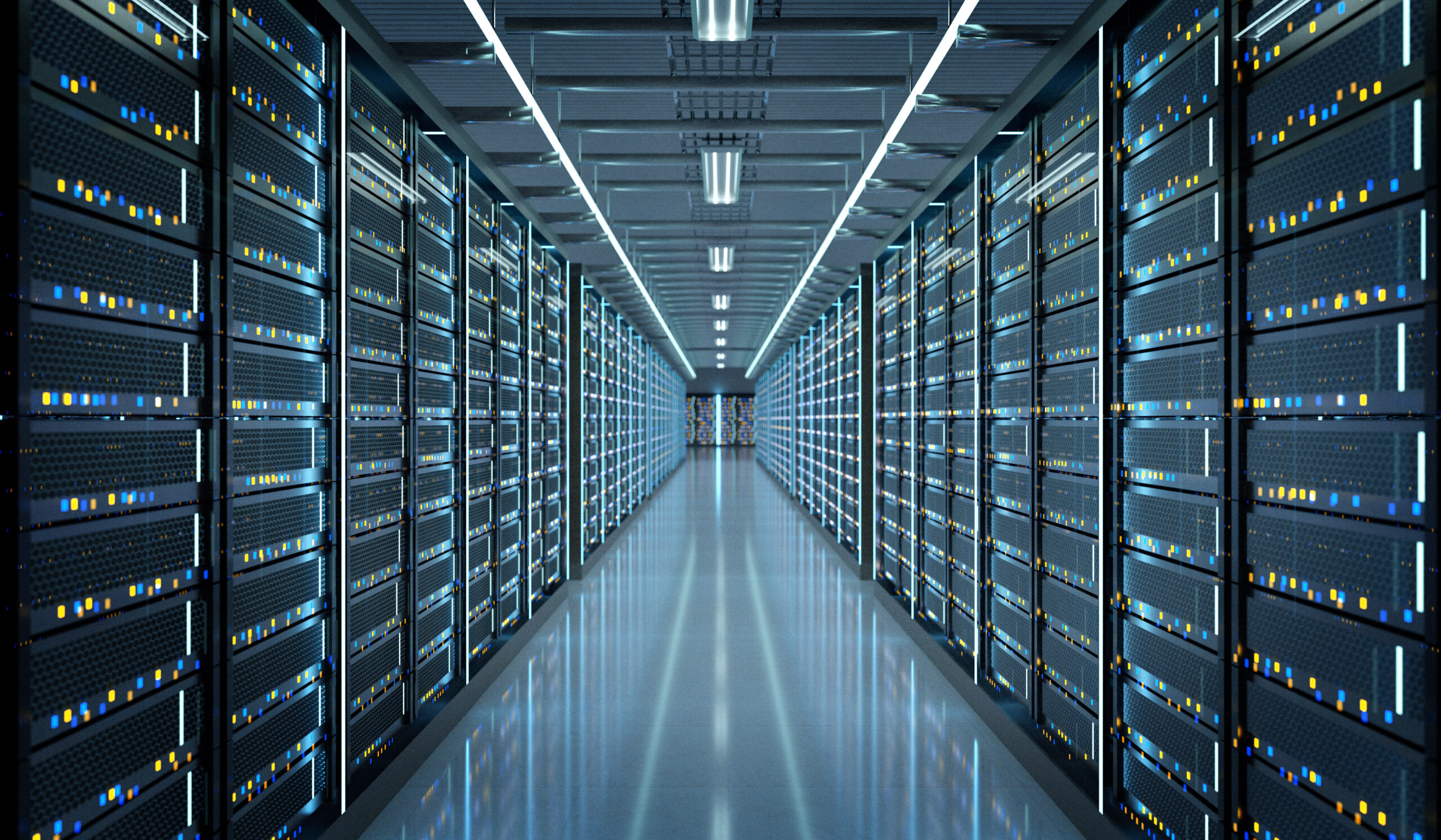
The data center landscape is shifting beneath our feet. As AI and high-density computing drive unprecedented demand, architectural design must do more than just house servers; Design must adapt in real-time.
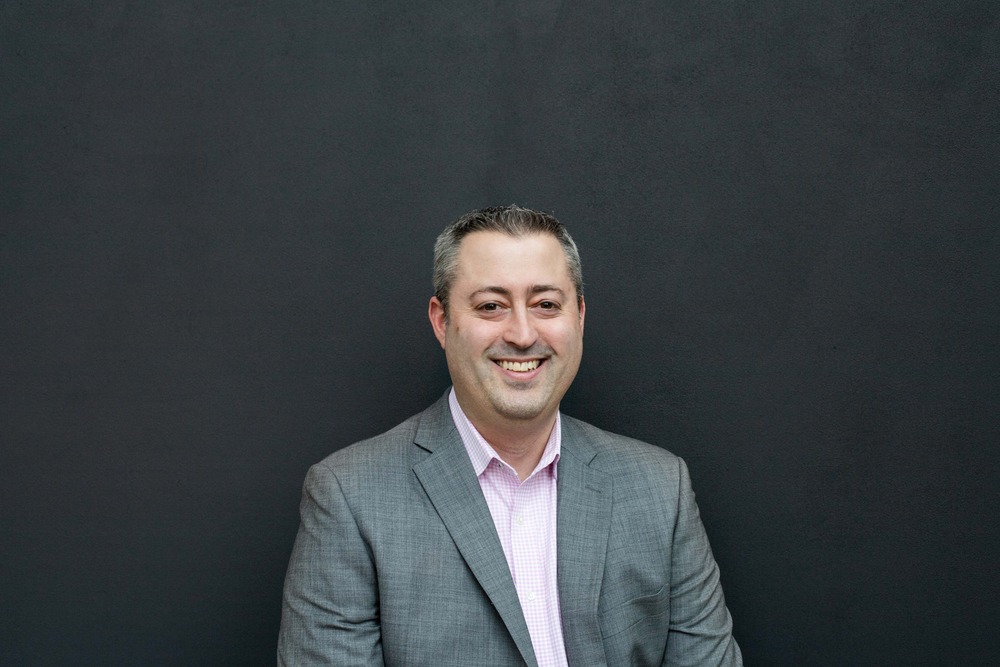
Eric Marks, RA, LEED GA, National Architecture Market Lead for Data Centers at MG2 | Colliers Engineering & Design* has observed this evolution from the front lines.
“The physical structures of these facilities must now mirror the agility of the software they host,” Eric notes. “Because technology often outpaces construction cycles, flexibility is no longer a luxury; it’s a core requirement from inception to close-out.”
Here are three critical considerations for designing a future-forward data center.
1. Multipurpose Models
Traditionally, data centers were designed based on specific requirements with little consideration for evolution. However, current end user requirements, along with rapid technology shifts, require an alternative mindset to design.
Rather than sticking to a static blueprint, Eric advocates flexible, multipurpose spatial planning. This combines optionality with the configuration to create functional longevity. Designing spaces that can accommodate varying equipment gives clients the ability to adapt to shifting requirements, evolving technology or different end users for the data center.
“Many designs focus on replicating past successes,” Eric explains. “But replication doesn’t account for disruption. By prioritizing and considering multiple configurations, we provide our clients with a proactive hedge against industry volatility.”
2. Scalability
In the current fast-paced development environment, a data center is often “at capacity” the moment it opens. Leading firms are now designing for expansion before the first shovel hits the ground.
By integrating scalable design iterations, architects allow clients to envision and execute future growth without the need for invasive, costly renovations. This involves planning for utility corridors, structural load-bearing capacity, and site layouts that allow for “Phase 2” to be bolted on with minimal disruption to existing operations.
3. Vendor Agility
The hardware lifecycle is significantly shorter than the building lifecycle. By the time a facility is completed, the intended server components may already be a generation behind. Furthermore, supply chain bottlenecks can make specific equipment choices a liability.
To combat this, Eric recommends having multiple vendor options lined up early for all projects. With this approach, architects can design floor plans that accommodate multiple equipment dimensions, giving the contractor the clearance for quick swaps if delays arise during procurement and construction.
The Path Forward
Prioritizing architectural agility is the only way to remain competitive in a landscape defined by rapid technological leaps.
Want to dive deeper? Eric Marks will be speaking at the Data Center Investment Conference and Expo (DICE): National held by Bisnow from Tuesday, May 12 to Thursday, May 14, on the Latency at Scale panel. Visit Bisnow’s website to learn more about the conference.
About MG2 Corporation and Colliers Engineering & Design
*In 2025, MG2 joined Colliers Engineering & Design through an acquisition agreement enabling both firms to offer even more robust, integrated services to their clients, further enhance their design capabilities, and leave a greater impact on their communities. This strategic action also allowed Colliers Engineering & Design to extend their service reach to the United States west coast.
To learn more, read: Colliers Engineering & Design Finalizes Agreement for MG2 to Join its Team