Reading the Water to Write the Plan for Chautauqua Lake
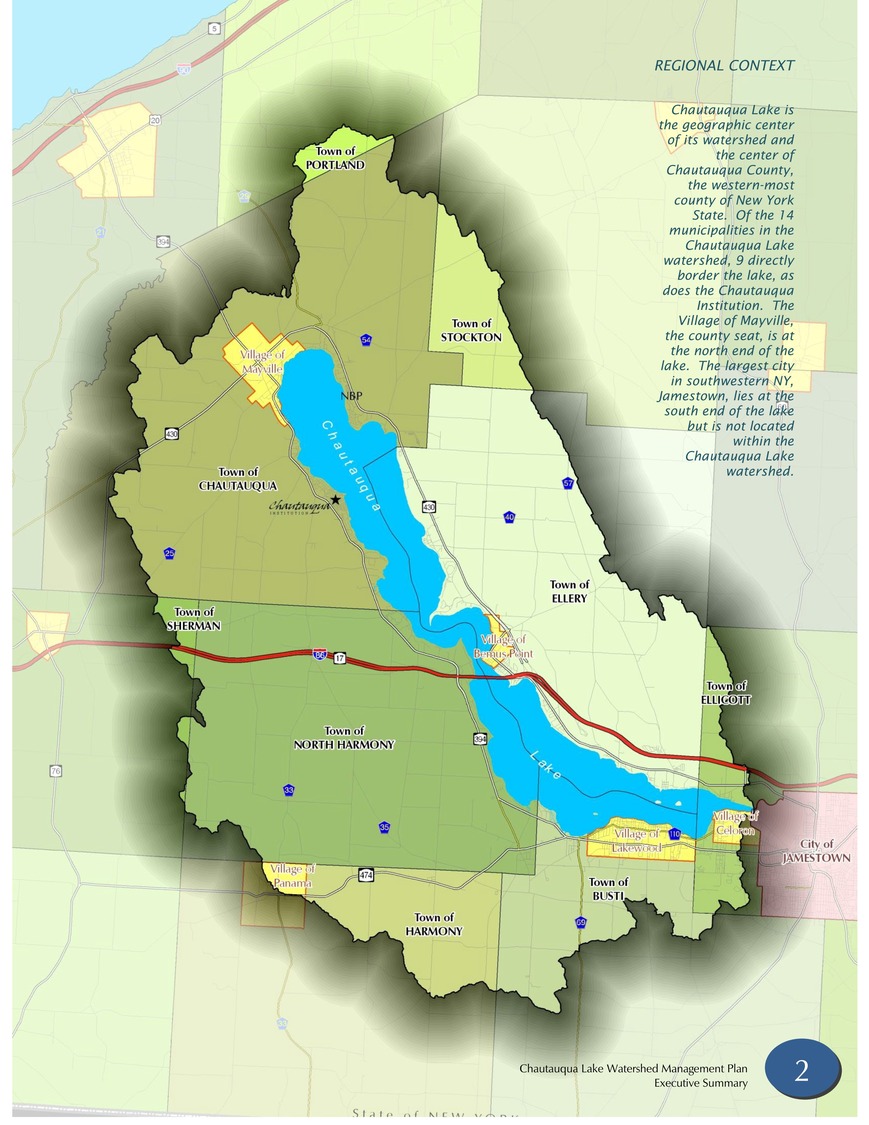
Chautauqua Lake has been at the center of life in western New York’s Chautauqua County for generations. Tens of thousands of people live along its shores, tourists spend over $70 million annually enjoying its waters, and lakefront property owners contribute roughly a quarter of local real property taxes. But the lake is impaired. Decades of nutrient loading from sewage, agricultural runoff, urban stormwater, and eroded streambanks have accelerated its aging, driving harmful algal blooms and degrading the water quality that the region’s economy and ecology depend on.
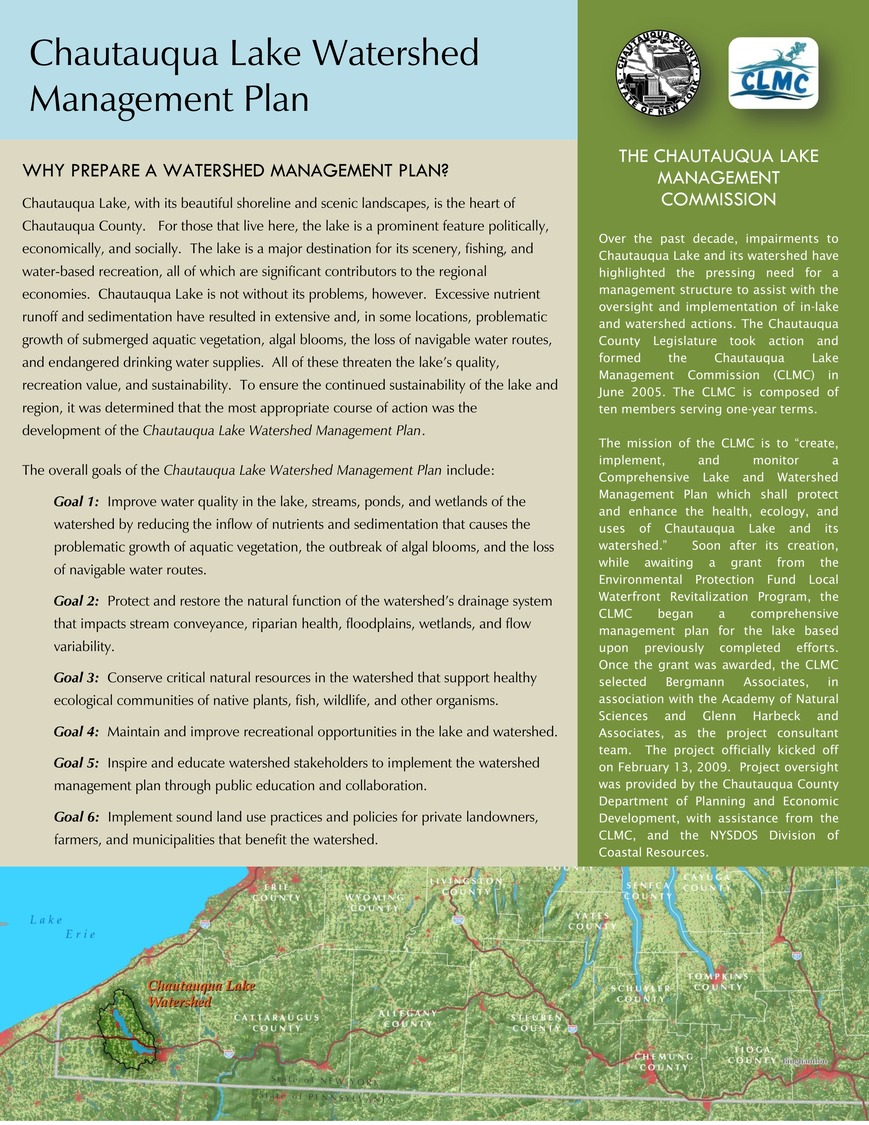
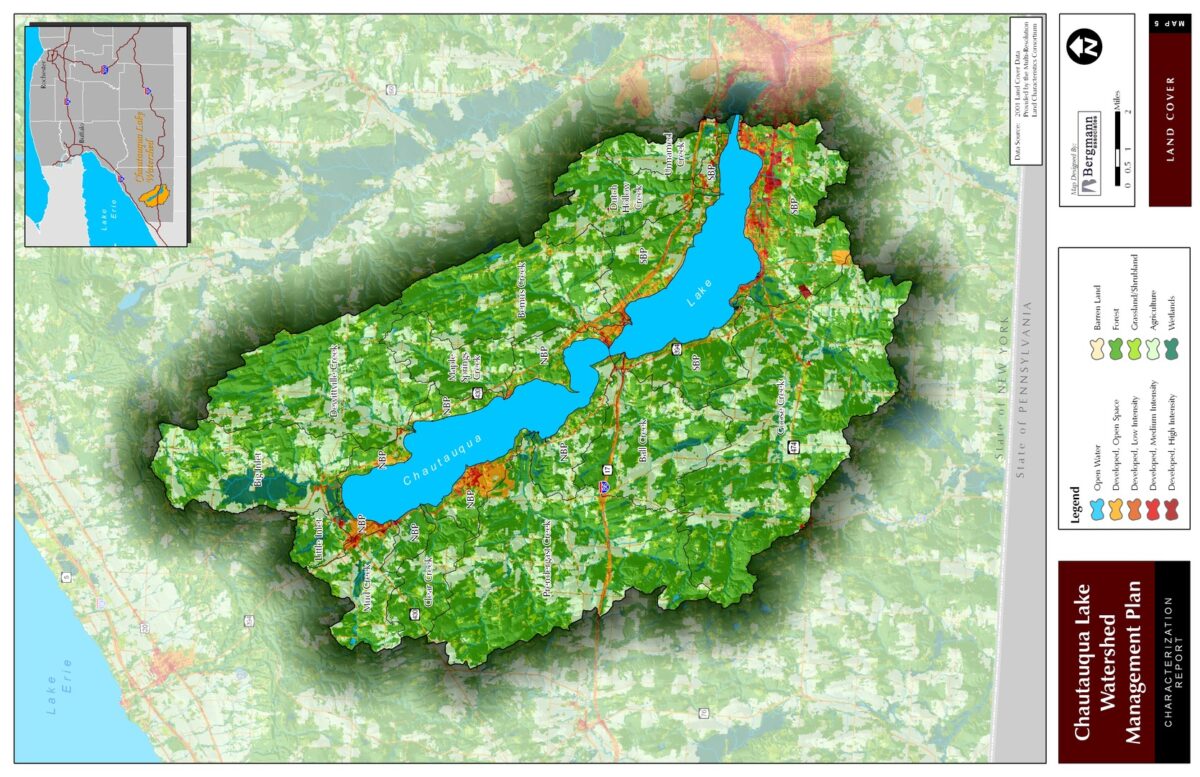
As prime consultant for the Chautauqua Lake Watershed Management Plan, our team developed a comprehensive strategy to protect and restore water quality while fostering the kind of community collaboration that gives a plan like this lasting power. Completed under the New York State Department of State’s Local Waterfront Revitalization program, the plan emphasized creating a unified approach across the 100,000-acre watershed, bridging urbanized and rural areas, environmental protection and economic development, municipal boundaries and shared responsibility.
Modeling the Problem to Guide the Solution
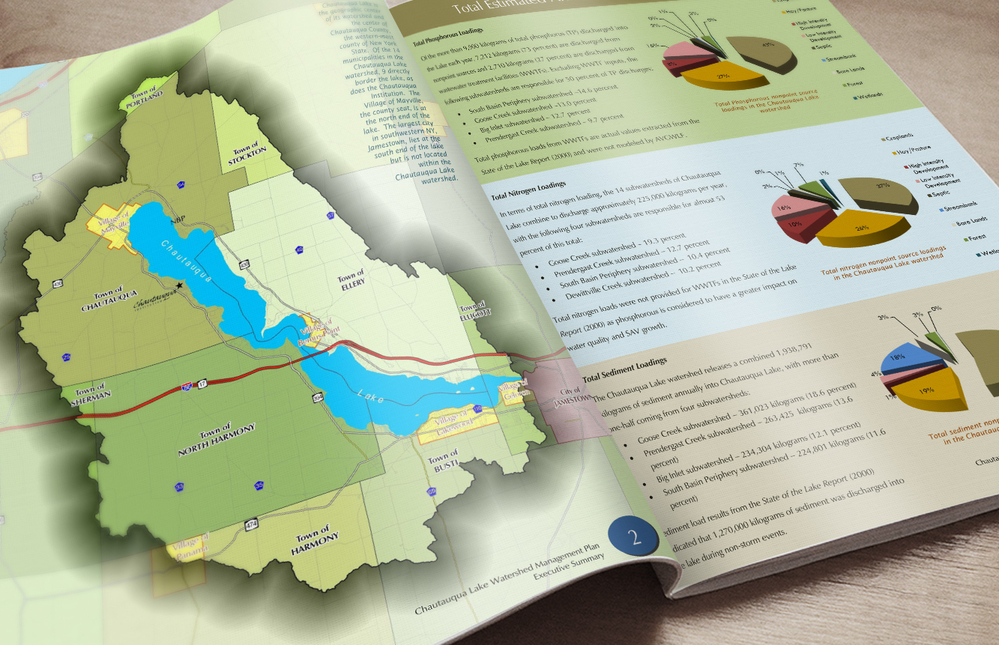
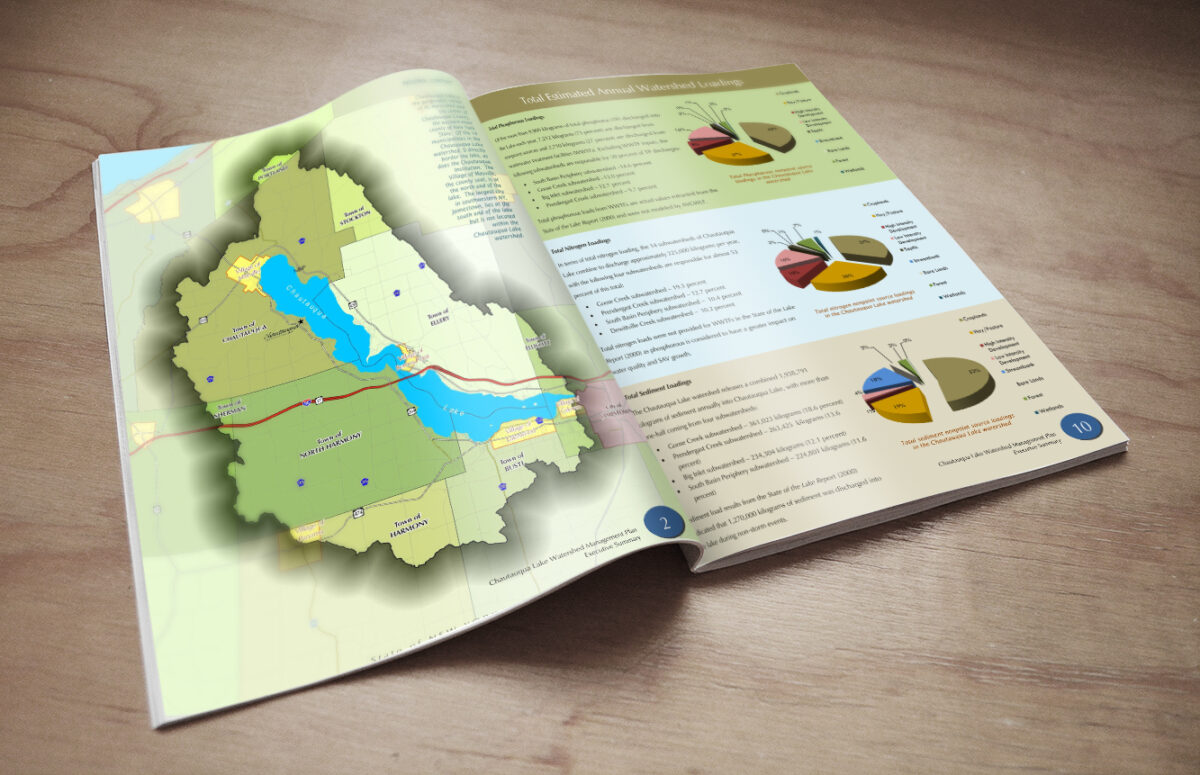
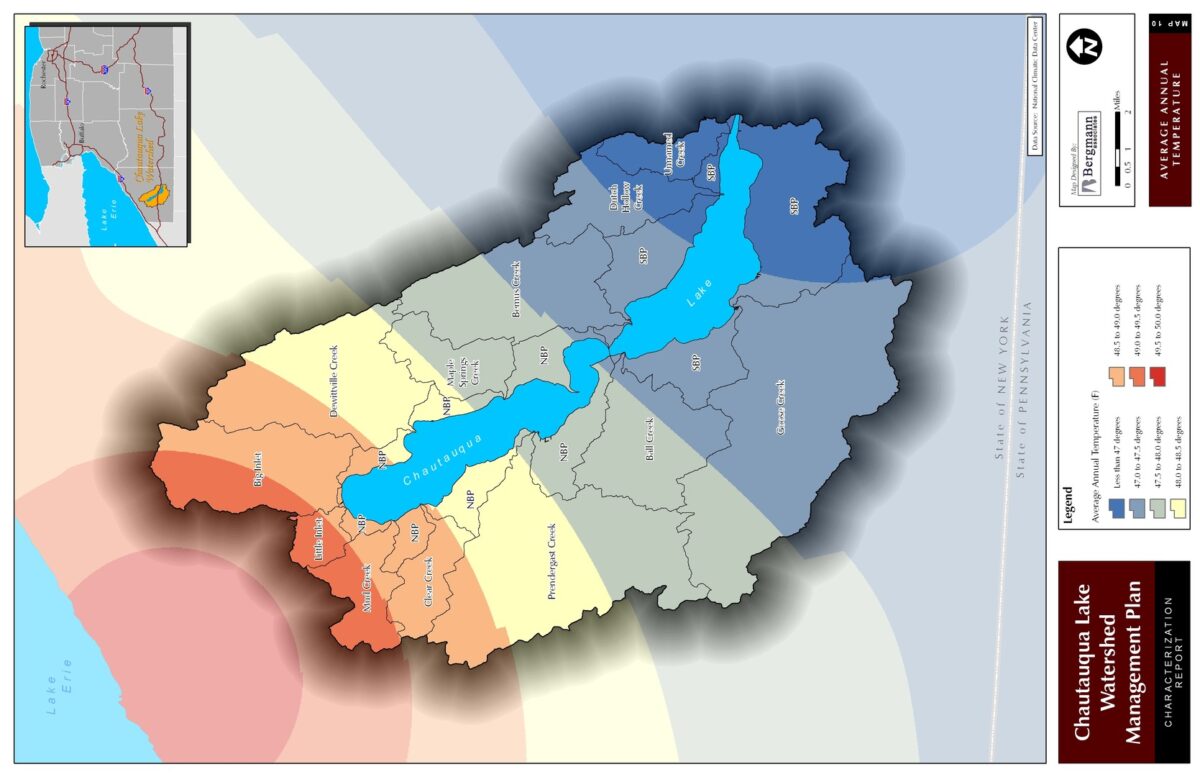
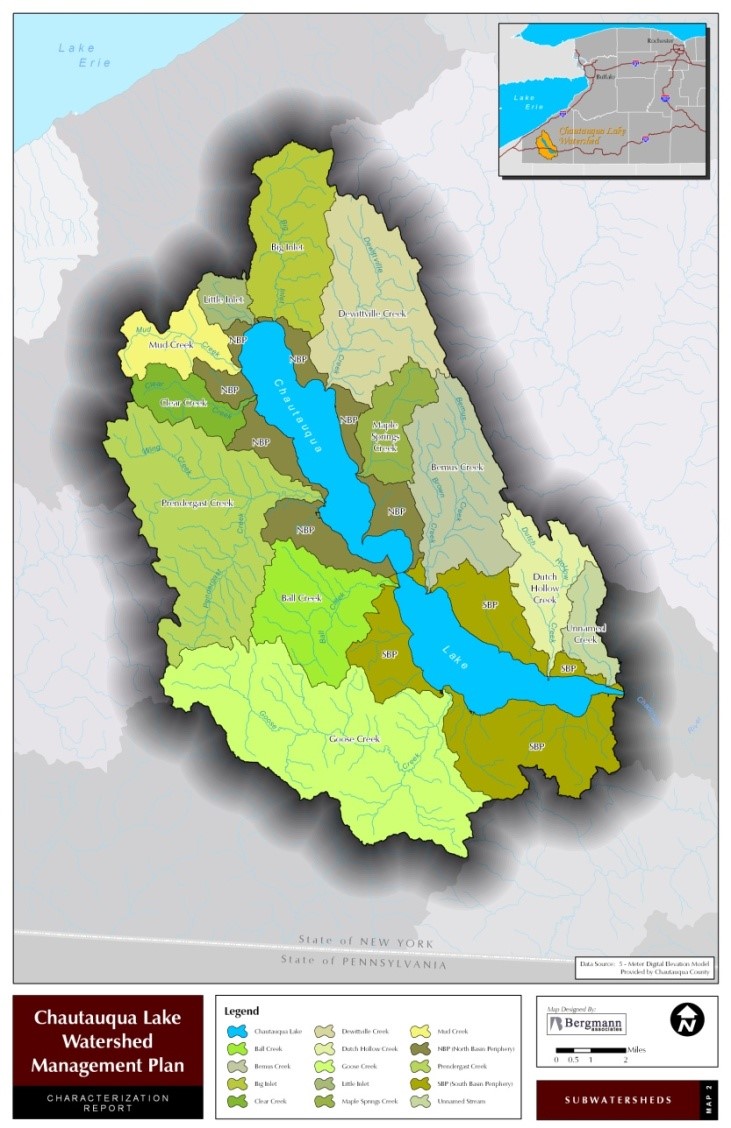
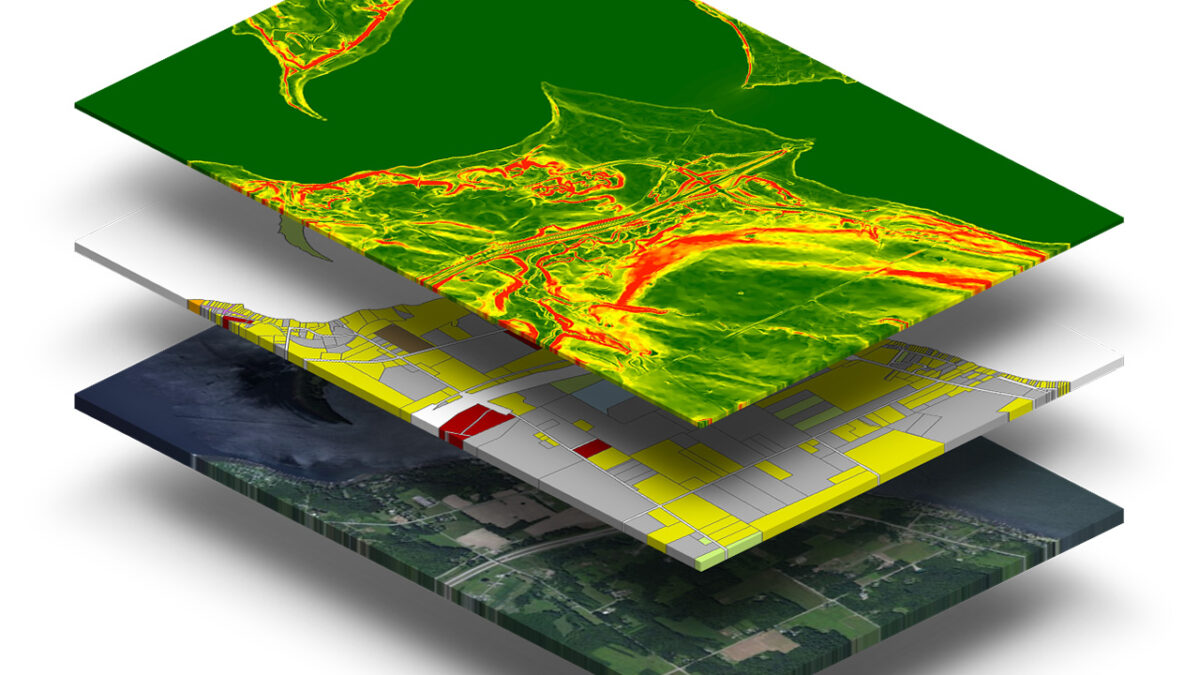
To quantify what was entering the lake and from where, our team constructed AGWLF models for all 13 subbasins, measuring phosphorus contributions and sharing the results directly with NYSDEC as the state concurrently developed its TMDL plan to mitigate phosphorus impairments. In a related study, advanced water quality modeling was conducted for two representative watersheds: Crescent Creek, an urbanizing area modeled using SWMM, and Dewittville Creek, an agricultural watershed modeled using SWAT. Both models were calibrated with extensive short- and long-term water quality sampling data to ensure the kind of accuracy that turns analysis into action.
The resulting plan identified a series of recommendations and strategies designed to address nutrient loading at its sources. It remains a foundational document for the ongoing work of local governments, conservation organizations, and state agencies working to bring Chautauqua Lake back to health.