Supporting Regional Mobility for a Major Destination
The development of LEGOLAND New York in Goshen introduced a major new destination to the region, drawing visitors from across the Northeast to a 153-acre theme park within a larger 523-acre site. With the park’s opening in Spring 2021, the surrounding transportation network needed to safely and efficiently accommodate a significant increase in traffic while maintaining access for local communities.
Our team provided comprehensive engineering services to support roadway and infrastructure improvements associated with the project. From the outset, the focus was on understanding how increased visitation would affect regional and local travel patterns, and identifying solutions that would enhance mobility while minimizing disruption.
Coordinating Improvements Across a Regional Network
As part of the SEQRA review process, we prepared detailed traffic impact evaluations, including projections, capacity analysis, and mitigation strategies for more than 25 intersections and the NYS Route 17 mainline. These efforts informed a series of coordinated improvements designed to support both peak visitor traffic and everyday use.
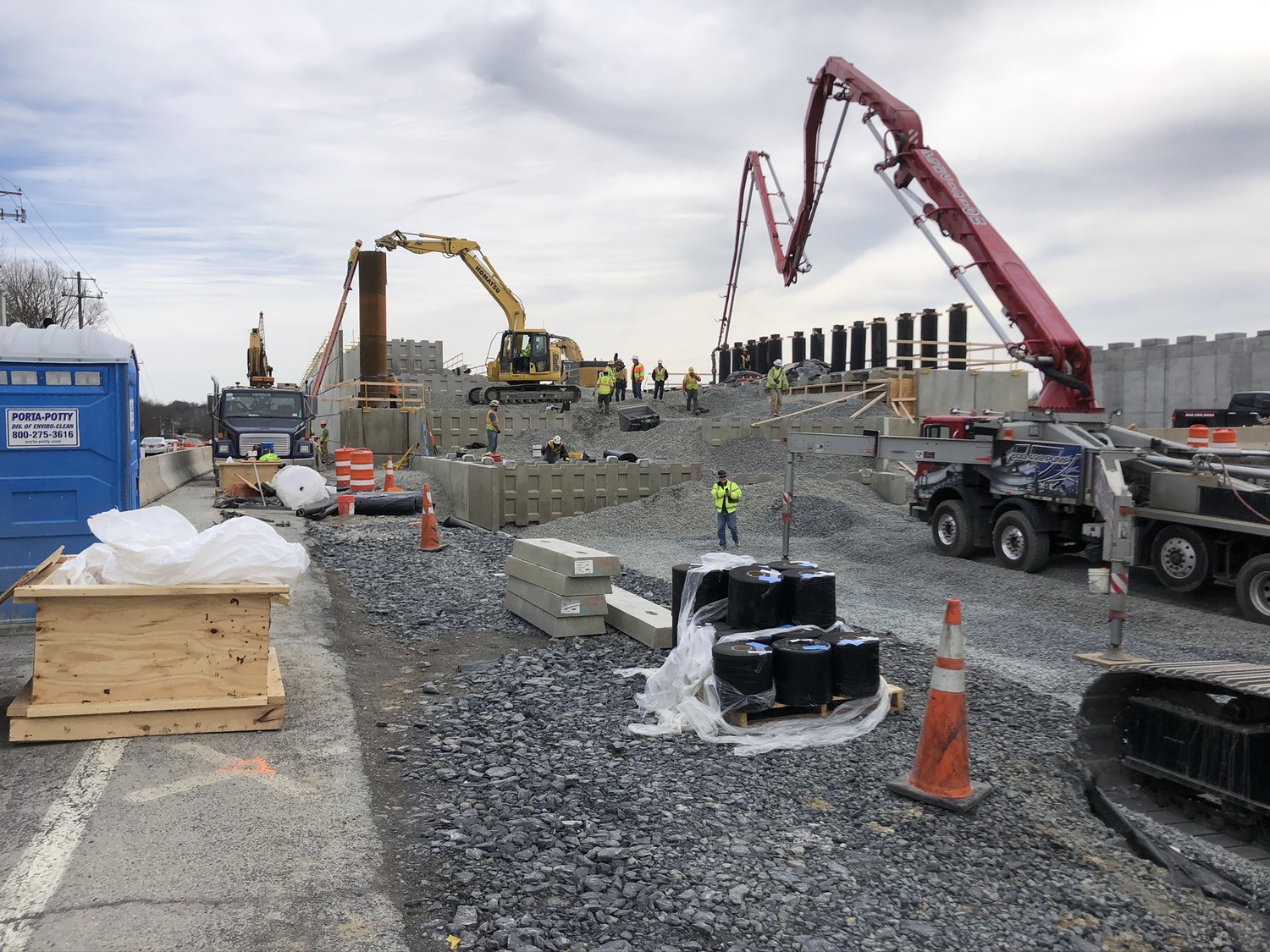
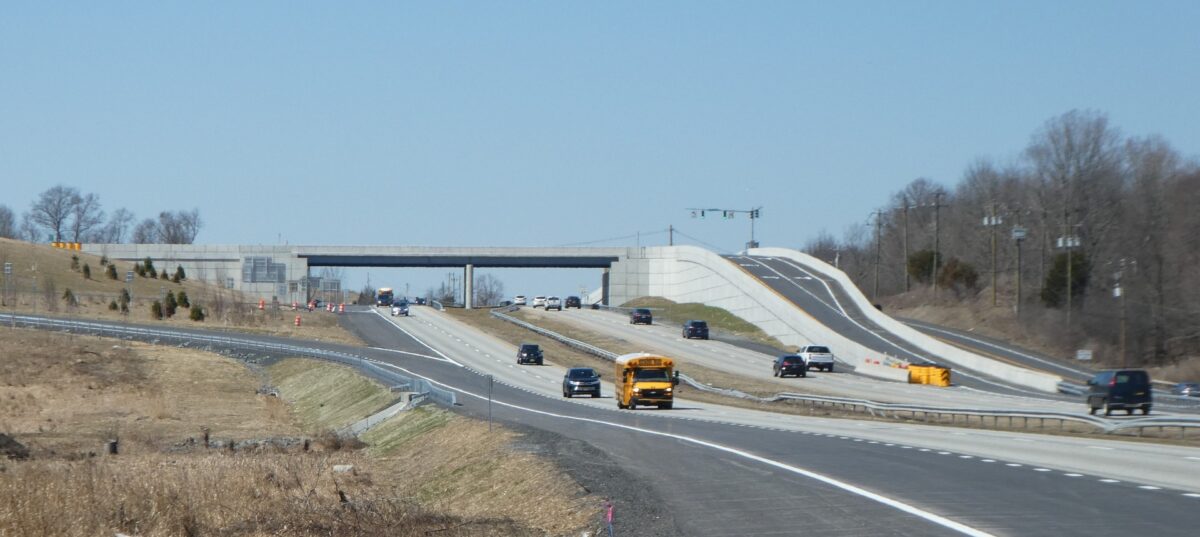
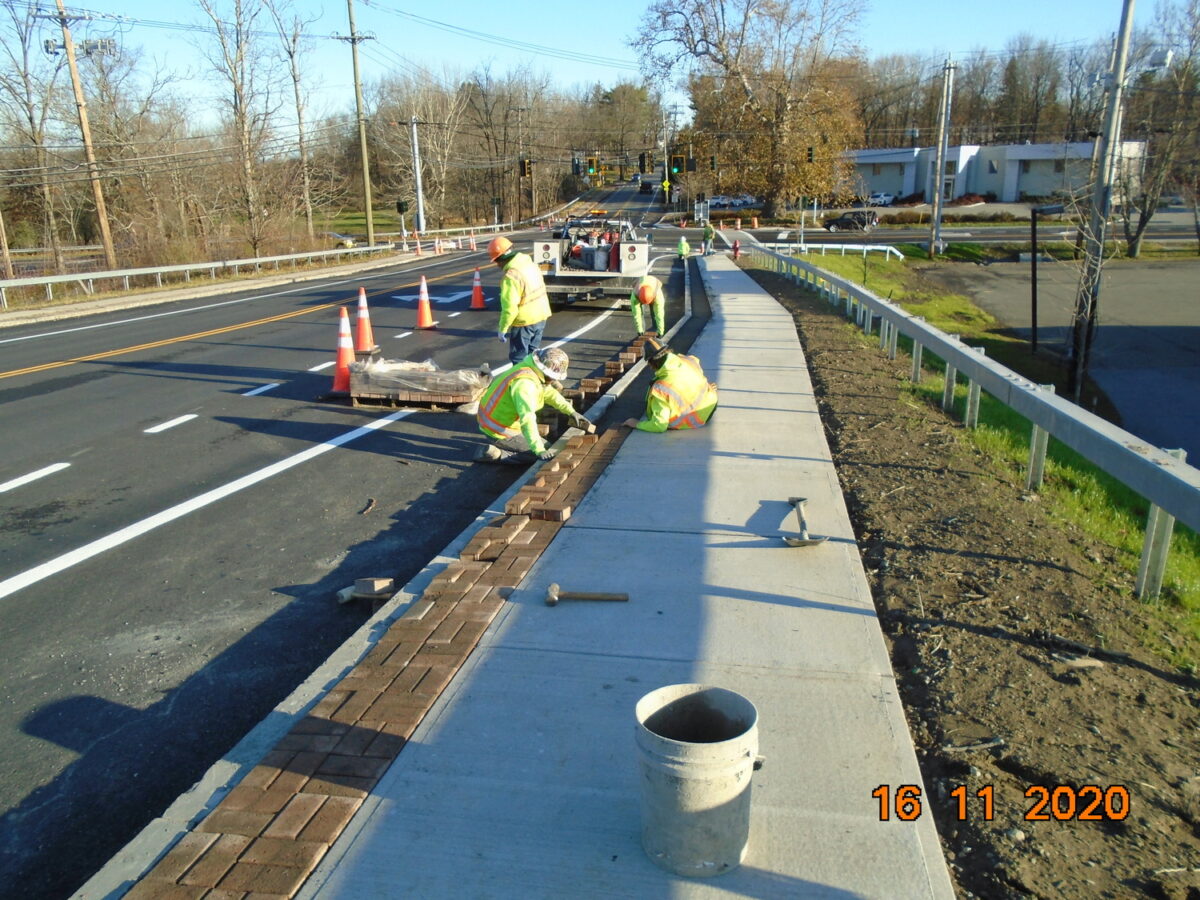
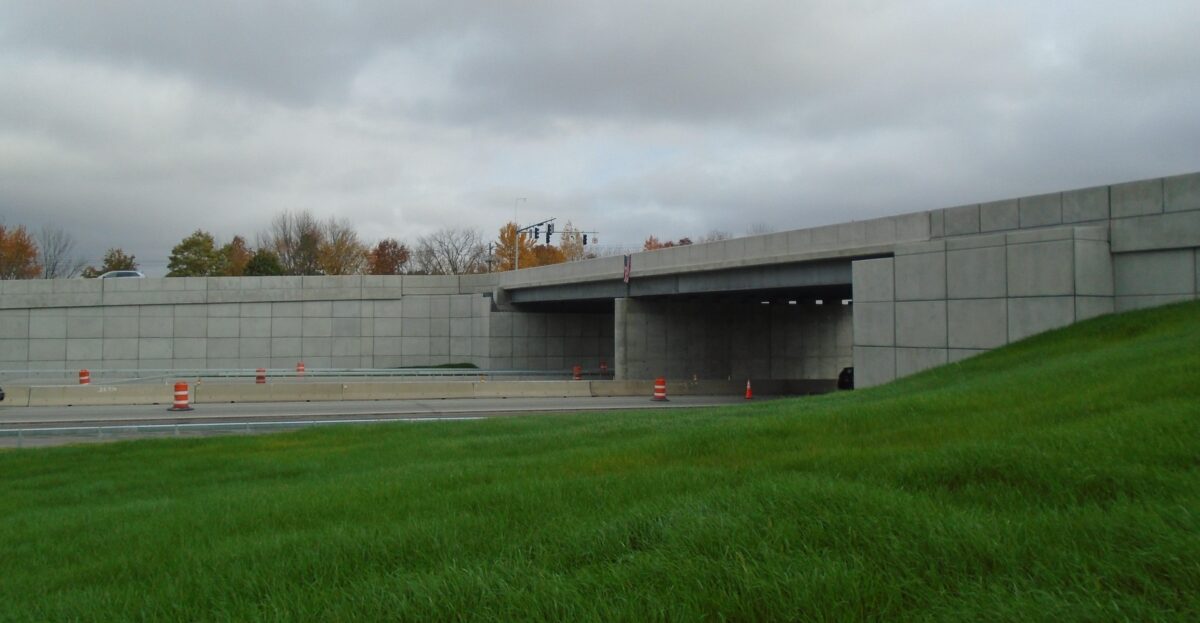
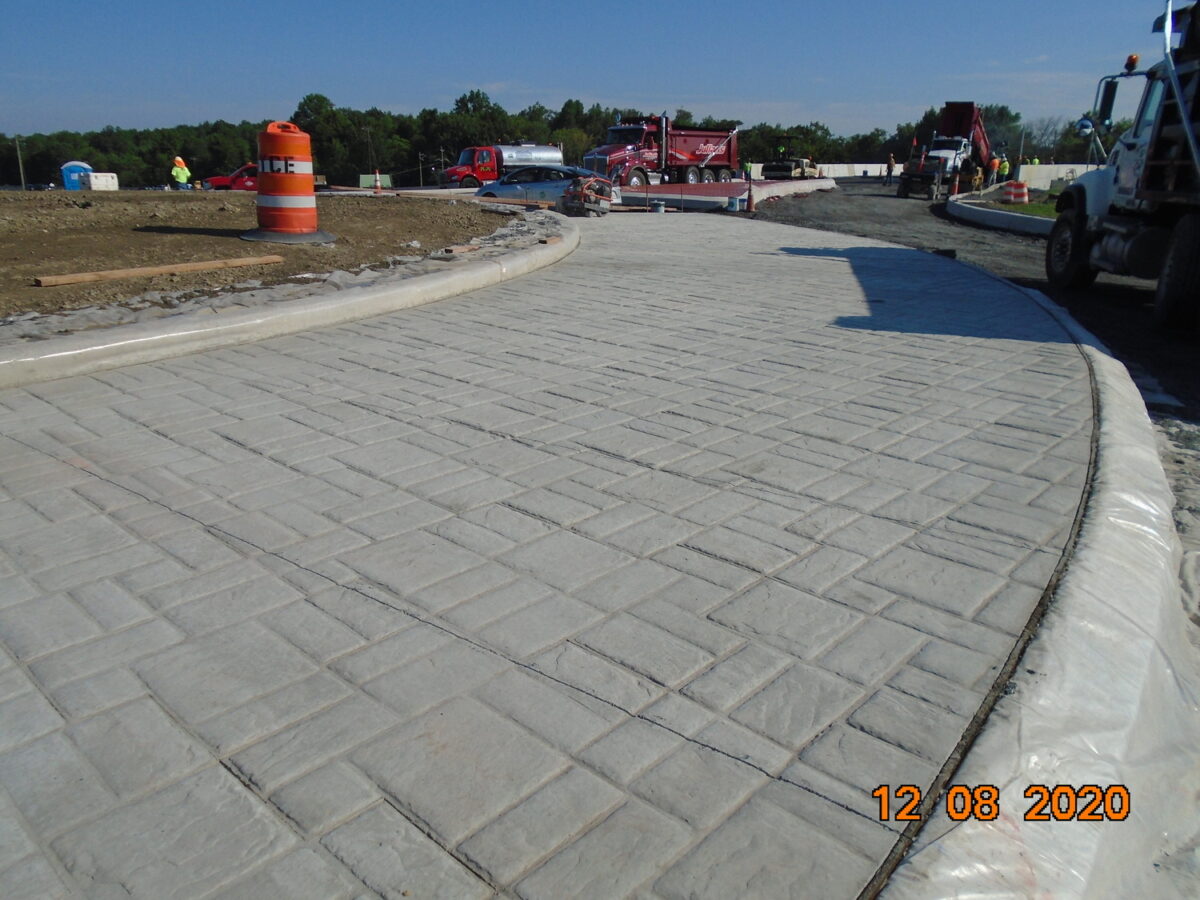
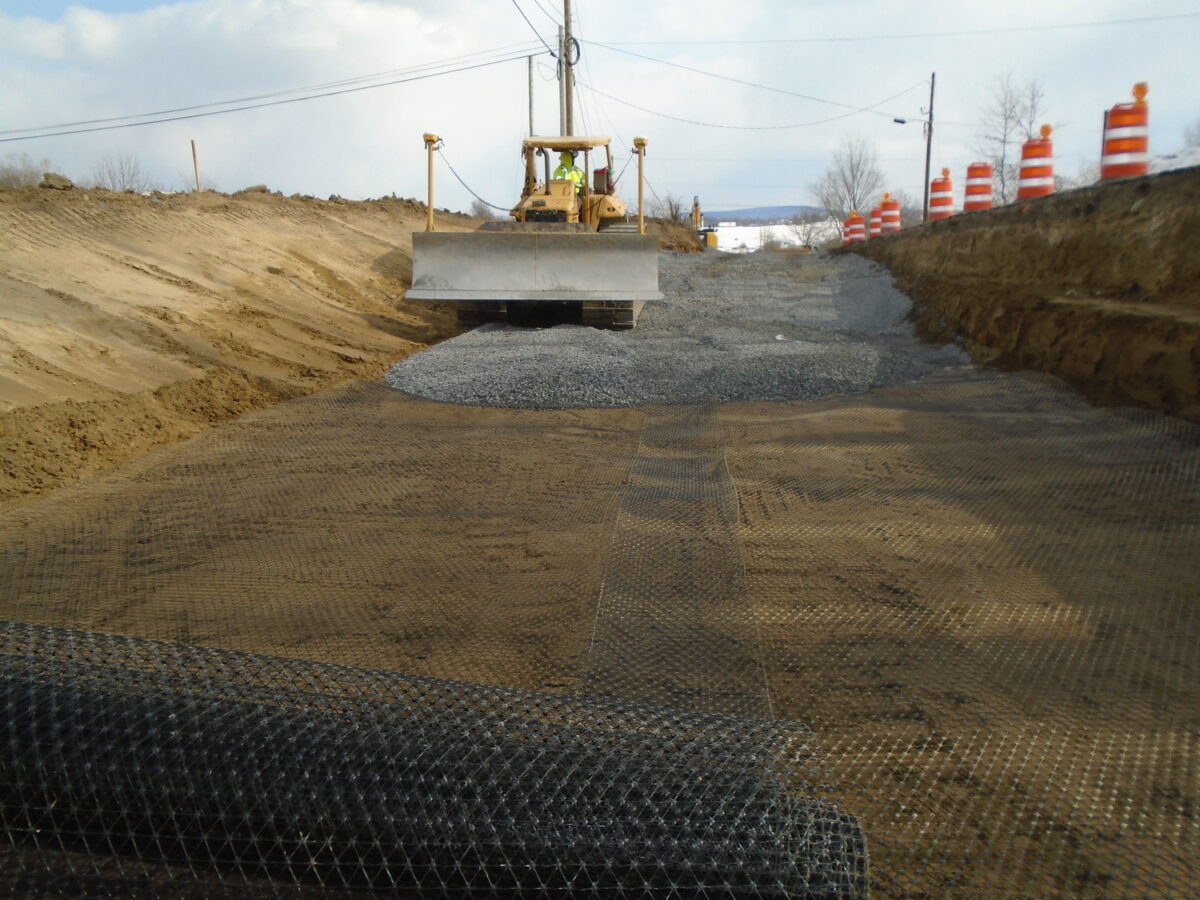
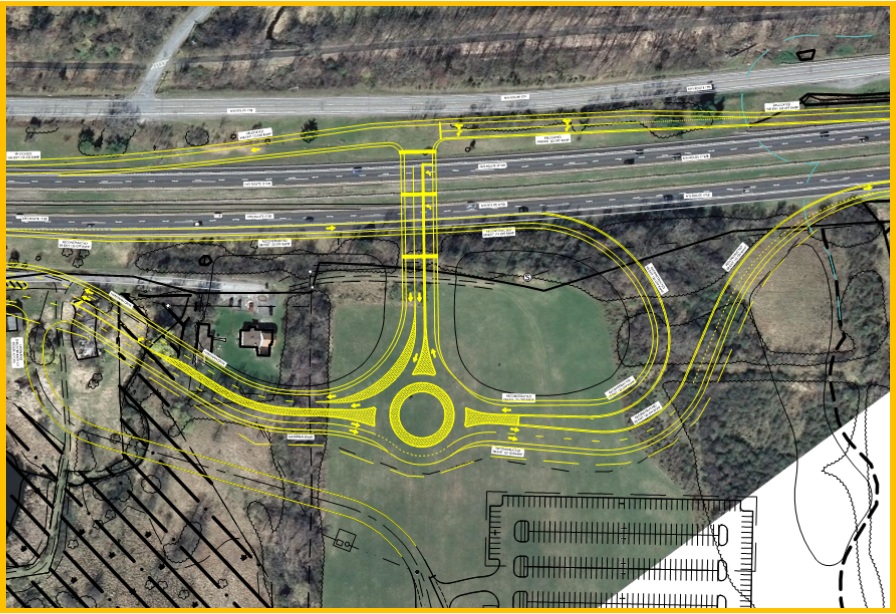
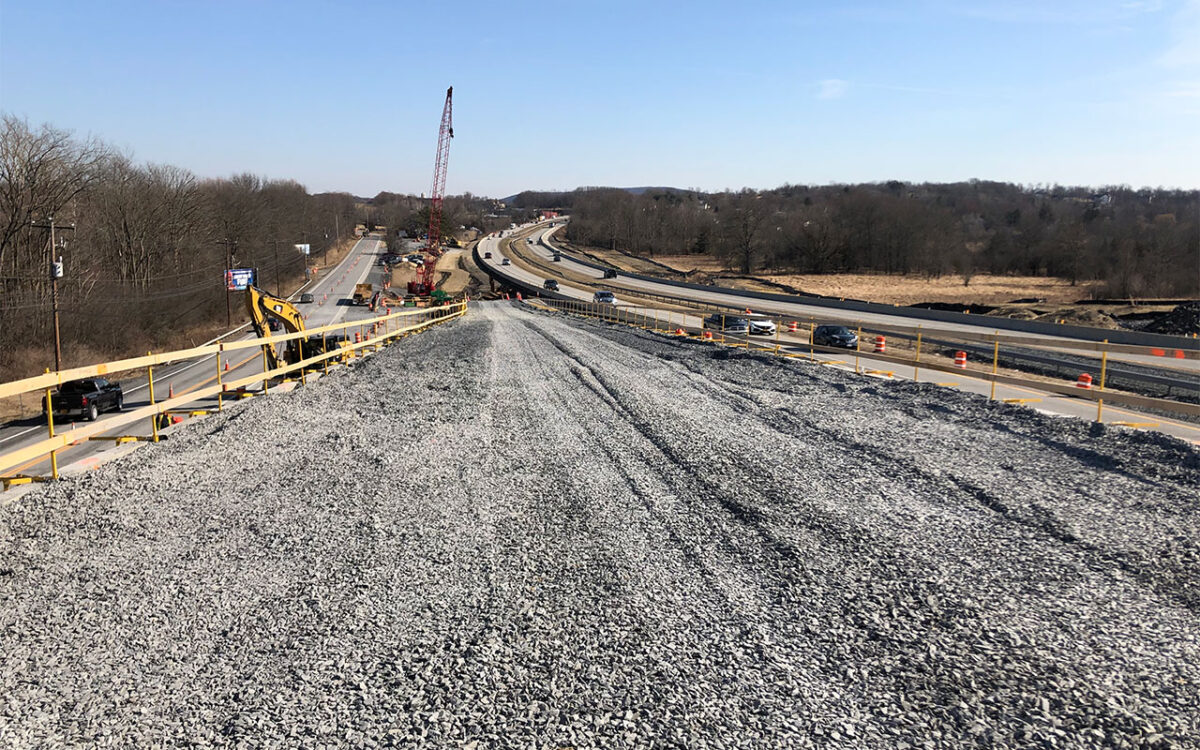
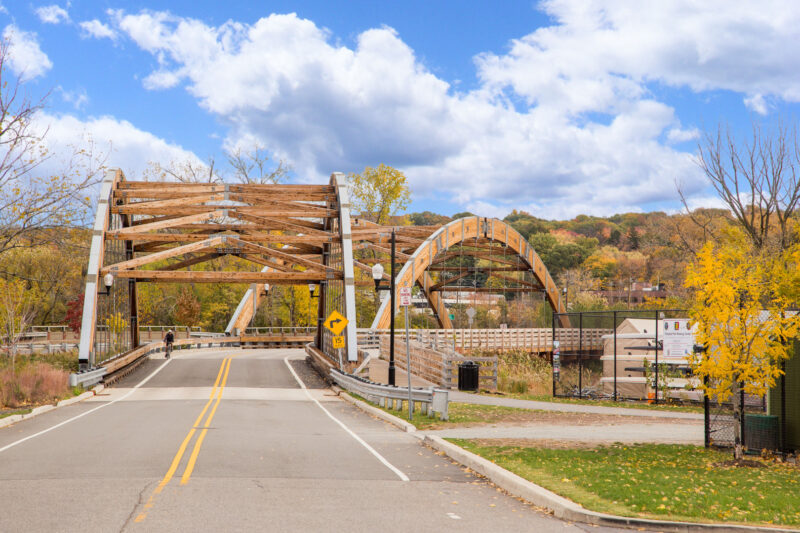
The project included significant off-site roadway and structural enhancements, such as ramp improvements, new traffic signals, roundabouts, and acceleration and deceleration lanes along Route 17. A new bridge over Route 17 and the integration of retaining walls further supported safe and efficient movement through the corridor. At the local level, intersection upgrades incorporated pedestrian signal improvements, sidewalks, and ADA-compliant ramps, improving accessibility for all users.
Integrating Environmental and Construction Oversight
In addition to transportation design, our team performed a Phase I Environmental Assessment for the full project site, supporting responsible redevelopment through inspections and oversight of demolition and remediation activities. Subsurface investigations and soil testing informed design decisions, while ongoing construction administration and inspection services ensure that improvements are implemented as intended.
Together, these efforts created a transportation framework capable of supporting a high-profile regional attraction while maintaining safety, accessibility, and reliability for the surrounding community.